
Views: 0 Author: Site Editor Publish Time: 2026-07-01 Origin: Site


Viral consumer demand for body-enhancing supplements has created a massive wave in the wellness market. Supplement brands now have an immediate opportunity to capture significant market share. Shoppers actively seek tasty, convenient alternatives to traditional capsules and powders. They want engaging formats delivering real benefits.
However, a major gap exists between aggressive marketing claims and the physical realities of gummy manufacturing. Formulators constantly battle rigid ingredient payload limits. They face strict FDA compliance rules and severe flavor degradation from botanical extracts. Pushing too much active material into a small matrix often ruins texture and taste.
This guide provides a detailed roadmap to engineer compliant, stable, and highly marketable functional gummies. You will learn how to balance formulation constraints, master flavor masking, and navigate labeling regulations safely. Ultimately, this structured approach prevents regulatory backlash while securing the high repeat purchase rates necessary for long-term brand success.
Formulation Reality: Gummy payload limits dictate that "BBL" formulas must rely on highly concentrated, bioavailable botanical extracts (e.g., Maca, Fenugreek) rather than bulky raw powders.
Sensory Engineering: Earthy, bitter botanicals require advanced flavor-masking and optimal base selection (Pectin vs. Gelatin) to ensure high consumer compliance.
Regulatory Guardrails: Packaging must adhere strictly to FDA dietary supplement guidelines, utilizing compliant "structure/function" claims rather than unverified physiological promises.
Manufacturing Strategy: Partnering with an experienced manufacturer for OEM gummies mitigates risks related to stability testing, scaling, and quality control (GMP compliance).
The wellness landscape shifts rapidly. Today, the women's health sector demands highly specialized, benefit-driven products. We see the bbl gummies category emerging as a powerful subset of this market. These products specifically target hormonal balance, skin elasticity, and muscle recovery. Consumers want holistic support. They actively look for convenient delivery systems combining daily nutrition with targeted body-confidence goals.
Managing consumer expectations remains critical for brand survival. Credible companies never position these products as literal surgical replacements. Such claims quickly damage brand trust and attract immediate regulatory scrutiny. Instead, successful brands position their formulas as supportive supplements. They use marketing language centered around "curve support," "vitality," and "cellular health." This framing builds realistic expectations. It aligns product performance with actual biological capabilities, fostering long-term consumer trust.
Hype might drive a customer's first purchase, but it rarely drives the second. High repeat-purchase rates depend entirely on tangible quality. Taste and texture lead the charge. If your product tastes medicinal or has a rubbery chew, consumers will abandon it immediately. Furthermore, transparent and realistic marketing sustains brand loyalty. Shoppers appreciate honesty regarding what a dietary supplement can realistically achieve. Balancing exciting branding with transparent communication establishes a sustainable, profitable product lifecycle.
Creating a successful body-enhancing supplement requires precise scientific formulation. The industry relies on several core active ingredients proven to support vitality and hormonal health. Maca Root Extract and Fenugreek stand out as foundational components. Pueraria Mirifica frequently appears in specialized women's formulas for its phytoestrogen content. Additionally, Collagen Peptides provide essential building blocks for skin elasticity. Saw Palmetto also plays a role in balancing hormonal profiles. When combined correctly, these ingredients deliver noticeable wellness benefits.
However, formulators face a massive physical constraint: the payload limit. A standard gummy weighs only 3 to 4 grams. You cannot simply stuff raw botanical powders into this small space. Exceeding the payload limit breaks the gummy matrix. It causes sweating, crystallization, or complete structural failure.
To solve this payload constraint, brands must use standardized high-yield extracts. An extract concentrated at a 10:1 ratio delivers ten times the active compounds in a fraction of the physical space. This approach allows you to achieve effective doses without ruining the physical product. Always request highly soluble extracts from your suppliers to ensure a smooth, cohesive final chew.
Synergistic formulation further strengthens your product profile. Many controversial or niche botanicals lack broad regulatory backing. You can anchor your label claims by pairing these botanicals with established vitamins. Consider this synergistic approach:
Vitamin E: Acts as a powerful antioxidant, supporting skin health and cellular repair alongside your core botanicals.
Biotin: Provides a universally recognized beauty benefit, lending immediate credibility to the formula.
Vitamin C: Crucial for natural collagen synthesis, perfectly complementing added collagen peptides or hormone-supporting extracts.
By blending niche botanicals with proven vitamins, you create a robust, defensible product. Consumers recognize the vitamins, while the botanicals provide the unique selling proposition.
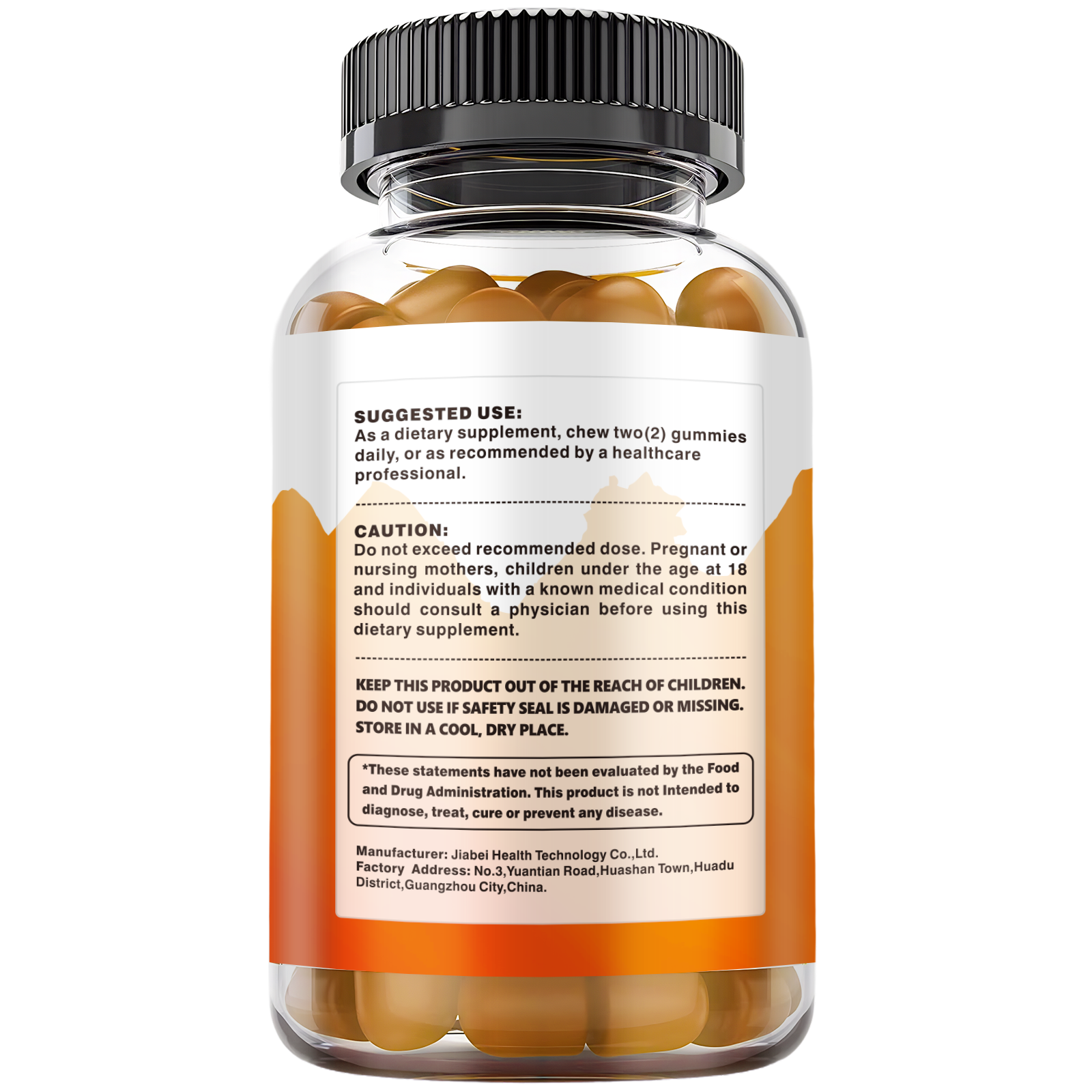
Selecting the right structural base dictates the entire consumer experience. The industry primarily chooses between pectin and gelatin. Pectin originates from fruit peels, offering a clean, plant-based structure. Gelatin derives from animal collagen, providing a traditional, bouncy chew. For this specific niche, we strongly recommend pectin. The premium, vegan-conscious female demographic heavily prefers plant-based options. Pectin also boasts better heat stability during shipping.
Base Material | Texture Profile | Dietary Suitability | Heat Stability |
|---|---|---|---|
Pectin | Soft, clean bite, non-sticky | Vegan, Halal, Kosher | Excellent (High melting point) |
Gelatin | Bouncy, elastic, chewy | Non-vegan (Animal-derived) | Poor (Prone to melting) |
Integrating botanical extracts introduces severe organoleptic challenges. Maca root carries a distinctly earthy, malt-like profile. Fenugreek often presents bitter, maple-like, or overly pungent notes. When concentrated into extracts, these flavors intensify exponentially. You cannot simply ignore them. If you fail to mask these earthy notes, consumers will reject the product upon the first bite.
Advanced sensory engineering solves these flavor issues. You must utilize high-quality acidulants like citric acid or malic acid. These acids brighten the flavor profile and distract the palate from bitter undertones. Natural flavor selection also plays a crucial role. Do not use delicate flavors like vanilla or light strawberry. Instead, lean into robust, assertive profiles. Peach, tropical punch, and bold mixed berry effectively neutralize off-notes. They harmonize with the natural tartness of the pectin base, transforming a medicinal formulation into a premium candy-like experience.
Regulatory compliance protects your business from costly recalls and legal action. You must adhere strictly to FDA dietary supplement guidelines. Your packaging must feature an accurate, fully compliant Supplement Facts panel. Do not confuse this with a standard Nutrition Facts panel used for traditional food. You must declare all allergens clearly. Net weight formatting must follow precise federal sizing and placement regulations. Ignoring these details invites severe penalties.
Navigating structure/function claims requires careful copywriting. You want to highlight benefits without crossing into drug-claim territory. The FDA strictly prohibits unverified physiological promises. You must understand the boundaries clearly.
Safe and Compliant: "Supports natural curves and vitality."
Safe and Compliant: "Promotes healthy cellular function and skin elasticity."
High-Risk and Non-compliant: "Increases glute size in 30 days."
High-Risk and Non-compliant: "Clinically cures hormonal imbalances."
You must mandate the inclusion of the standard FDA disclaimer on your packaging. The label must explicitly state the product does not diagnose, treat, cure, or prevent any disease. Place this disclaimer prominently near your structure/function claims.
Packaging form factors also impact product viability. PET bottles remain the industry standard. They offer rigid protection and look excellent on retail shelves. However, sustainable stand-up pouches continue gaining massive popularity. Pouches reduce shipping weight and appeal to eco-conscious buyers.
If your formula uses UV-sensitive active ingredients, you must prioritize light-blocking materials. Opaque bottles or foiled pouches prevent vitamin degradation. Additionally, evaluate child-resistant closures (CRC). If your product contains specific restricted ingredients or high doses of certain minerals, regulatory bodies may dictate mandatory CRC packaging. Always consult a compliance expert before finalizing your physical packaging.
Launching a supplement brand requires choosing the right manufacturing strategy. You generally face two paths: private labeling or custom formulation. Private labeling means white-labeling an existing formula. This offers incredible speed-to-market. You skip lengthy R&D phases and launch within weeks. Conversely, a custom formulation builds long-term defensibility. You own a unique intellectual property. While custom projects take longer to develop, they prevent competitors from copying your exact ingredient deck.
Your manufacturing partner dictates your ultimate success. Vetting OEM gummies manufacturers requires strict attention to detail. Do not compromise on facility standards. Use the following vetting criteria to evaluate potential partners:
Certifications: Non-negotiables include active cGMP (Current Good Manufacturing Practice) certification. The facility must also hold current FDA registration. Ask to see their recent audit certificates.
Testing Protocols: Demand rigorous third-party testing. The manufacturer must test every batch for heavy metals, microbial limits, and active ingredient potency. Ask how they handle out-of-specification results.
MOQ and Scalability: Define realistic Minimum Order Quantities. A pilot run might require 10,000 to 50,000 bottles. Ensure the facility can scale up to hundreds of thousands of units smoothly once your product gains viral traction.
An experienced partner handles the complexities of stability testing. They ensure your product maintains its flavor, texture, and potency throughout its entire shelf life. Take your time during the vetting phase. Request sample kits. Evaluate their communication speed. A reliable manufacturer acts as an extension of your own brand.
Successfully launching a body-enhancing functional product requires balancing bold marketing with scientific reality. You must start with a scientifically sound formulation utilizing low-payload, highly concentrated active extracts. Raw powders simply will not work in this format. Investing heavily in advanced flavor masking ensures your product tastes exceptional, driving the repeat purchases vital for profitability.
Furthermore, strict adherence to regulatory packaging standards protects your brand. Proper labeling and compliant structure/function claims keep you off the FDA's radar while building genuine consumer trust. Do not cut corners on compliance or ingredient quality.
Now is the time to take action. Finalize your internal product brief today. Define your target audience, core active ingredients, and preferred flavor profile. Then, begin vetting certified manufacturing partners. Request physical sample kits to evaluate texture and taste firsthand. Initiating pilot formulations and stability testing immediately will position your brand to capture this rapidly expanding wellness category.
A: The most common ingredients include Maca Root Extract, Fenugreek, and Collagen Peptides. Formulators highly prefer extracts over raw powders. An extract (like a 10:1 ratio) provides concentrated active compounds, delivering the desired benefits without overloading the limited physical space of the gummy matrix.
A: No. Standard gummies weigh around 3 to 4 grams. This strict payload limit means bulky raw botanical powders cause the gummy structure to fail. To achieve effective doses, brands must use highly concentrated, water-soluble botanical extracts instead of raw materials.
A: The FDA requires a compliant Supplement Facts panel, a comprehensive ingredient list, and clear allergen declarations. Additionally, any structure/function claims on the packaging must be accompanied by the mandatory FDA disclaimer stating the product is not intended to diagnose, treat, cure, or prevent any disease.
A: Standard MOQs (Minimum Order Quantities) for custom formulations typically range from 50,000 to 100,000+ units, depending on the specific facility's equipment. However, brands choosing standard private label formulas can often secure much lower limits, sometimes starting around 1,000 to 5,000 bottles.

 +86 18802062544