
- All
- Product Name
- Product Keyword
- Product Model
- Product Summary
- Product Description
- Multi Field Search


Viral marketing constantly promotes certain oral supplements as non-surgical miracles for glute enhancement. Social media feeds push these colorful products daily. We see them heavily advertised across nearly all digital platforms. Consumers face highly aggressive advertising campaigns. They also encounter heavily biased anecdotal reviews online. This onslaught makes separating physiological facts from clever marketing fiction incredibly difficult. You might wonder if chewing a sweet treat truly replaces heavy squats. You might question if it replaces expensive cosmetic surgery. We present an objective, evidence-based evaluation. We examine what these supplements can and cannot do. We analyze ingredient efficacy, basic safety profiles, and undeniable biological realities. Our goal equips you to make highly informed wellness choices. We provide a clear, skeptical-friendly framework for consumers. You can decide whether to invest in these products. Alternatively, you can pivot your focus to proven, science-backed fitness alternatives.
Targeted fat transfer or localized muscle growth via an oral supplement is biologically impossible.
Most BBL gummies rely on phytoestrogens (like Maca and Fenugreek) which may promote mild, systemic weight gain, not targeted glute growth.
Dietary supplements lack strict FDA pre-market approval; third-party testing is critical for safety.
Sustainable glute enhancement requires a combination of targeted resistance training (hypertrophy) and a caloric surplus.
Buyers should avoid products utilizing "proprietary blends" that hide active ingredient dosages.
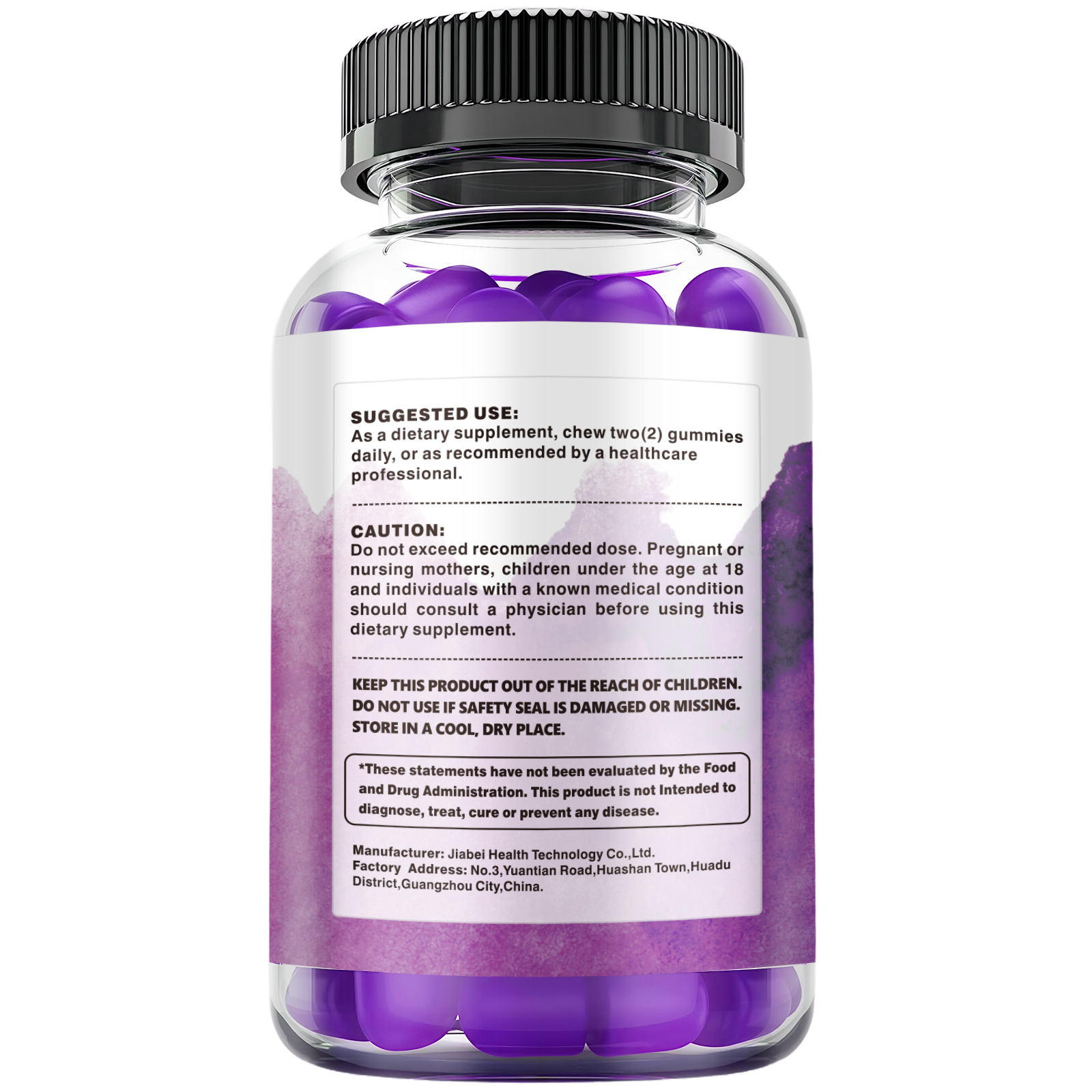
Human anatomy follows strict physiological rules for tissue expansion. We must understand how the body actually builds mass. This prevents us from falling for misleading marketing claims. Glutes increase in size through only two biological pathways. The first pathway involves muscle hypertrophy. The second pathway involves fat accumulation. We will explore both mechanisms to clarify realistic growth.
Muscle hypertrophy requires deliberate mechanical tension. You must physically tear muscle fibers through resistance training. Your body then repairs these fibers. They grow back thicker and stronger. Fat accumulation operates entirely differently. You consume more calories than your body burns daily. Your body stores this excess energy as adipose tissue. Neither process occurs magically from chewing a flavored supplement. Biological growth demands specific physical stimuli or sustained caloric surpluses.
The fitness industry frequently pushes the spot-enhancement myth. This myth claims you can direct fat storage to specific areas. It also suggests you can burn fat from targeted zones. Biology firmly rejects both concepts. You cannot instruct oral nutrients to travel exclusively to your glutes. Your digestive system breaks down all ingested compounds. It distributes them systemically via your bloodstream. Your genetic blueprint dictates exactly where fat accumulates. Some people store excess fat in their lower body. Others store it in their midsection or arms. No herbal blend overrides this innate genetic coding.
Many consumers mistake systemic weight gain for localized enhancement. You might start taking bbl gummies and notice your clothes fitting tighter. These supplements often increase your overall appetite. You end up eating more food throughout the day. This leads to systemic fat accumulation. Your entire body gains weight. If your genetics favor lower-body fat storage, your glutes will grow. However, your thighs, hips, and stomach will likely grow too. The supplement did not target your glutes. It simply made you eat more calories.
Supplement manufacturers rely on specific herbal extracts to formulate their products. They market these extracts as powerful enhancement tools. We must isolate these ingredients to evaluate their true clinical efficacy. Understanding individual compounds reveals the actual mechanics behind the marketing.
Maca root appears in almost every glute enhancement supplement. It originates from the high Andes mountains. Indigenous populations traditionally used it for energy and endurance. Clinical evidence supports Maca root for supporting general hormonal balance. It can improve libido in some individuals. It also offers modest energy-boosting properties. We recognize Maca as a functional adaptogen for general vitality.
However, marketing campaigns make a massive leap in logic. They claim Maca's phytoestrogen content directs fat to the hips. Phytoestrogens are plant-based compounds. They loosely mimic estrogen in the human body. Estrogen does influence female fat distribution during puberty. Yet, consuming dietary phytoestrogens does not replicate this profound developmental process. Maca will not force your body to build a larger posterior. The clinical evidence simply does not support localized fat storage claims.
Fenugreek is another incredibly common ingredient in these formulations. Herbalists historically used Fenugreek to support digestive health. They also used it to aid lactation in nursing mothers. Fenugreek possesses a well-documented side effect. It functions as a potent appetite stimulant. Many users report feeling significantly hungrier after consuming Fenugreek extracts.
This increased hunger explains many anecdotal success stories. You take the supplement and experience heightened appetite. You naturally increase your daily caloric intake. This surplus leads directly to generalized weight gain. Users often misinterpret this systemic weight gain as targeted glute growth. They attribute their larger measurements to the active ingredients. In reality, the extra food caused the growth. The supplement merely made them crave more meals.
Some formulas incorporate Saw Palmetto extract. Medical professionals often discuss Saw Palmetto regarding prostate health in men. It functions by blocking dihydrotestosterone (DHT). DHT is an androgenic hormone. Blocking DHT can influence hair retention and prostate size. Supplement brands include it in female products for hormonal manipulation.
Brands theorize blocking androgenic pathways promotes estrogenic dominance. They assume estrogenic dominance leads to a curvier figure. This theory lacks robust clinical validation. Altering DHT levels does not guarantee significant female body recomposition. Furthermore, playing with hormonal pathways carries distinct risks. We cannot confidently link Saw Palmetto to measurable glute enhancement in women. The scientific correlation remains entirely unproven.
Ingredient | Primary Clinical Use | Marketing Claim | Scientific Reality |
|---|---|---|---|
Maca Root | Energy, Libido, Hormonal Balance | Targeted fat storage in glutes | No localized fat direction; general adaptogen. |
Fenugreek | Lactation support, Digestion | Booty growth and plumping | Stimulates appetite causing systemic weight gain. |
Saw Palmetto | Prostate health, DHT blocking | Promotes feminine curves | Unproven for female body recomposition. |
Consumers often assume all commercial wellness products undergo rigorous safety testing. This assumption proves dangerously false in the supplement industry. We must critically examine regulatory standards. Protecting your health requires understanding these manufacturing realities.
The FDA treats dietary supplements differently than prescription medications. Supplements exist in massive regulatory blindspots. Manufacturers do not need FDA pre-market approval before selling their products. They can bottle herbal extracts, create a label, and launch a brand. The FDA only steps in if widespread adverse effects occur post-launch. This reactive system places the burden of safety squarely on the consumer.
Quality assurance standards separate reputable brands from dangerous ones. You should actively look for Good Manufacturing Practice (GMP) certification. GMP ensures the facility follows strict hygiene and operational protocols. Furthermore, seek out third-party lab testing. Organizations like NSF or USP verify ingredient purity. They test for heavy metals, mold, and accurate dosages. Without third-party verification, you cannot trust the label.
We must also discuss implementation risks and side effects. Consuming high doses of phytoestrogens carries physiological consequences. You may experience noticeable hormonal disruption. Common symptoms include irregular menstrual cycles. Many women also report severe hormonal acne breakouts. Consider these potential side effects carefully:
Hormonal Disruption: Phytoestrogens can alter your natural cycle. This leads to unpredictable periods and mood fluctuations.
Digestive Distress: Gummy binders often contain sugar alcohols. Artificial sweeteners and raw herbal extracts frequently trigger bloating and cramping.
Medical Contraindications: Herbal extracts interact directly with prescription medications. They particularly interfere with hormonal birth control efficacy.
Unwanted Weight Gain: Appetite stimulants cause fat gain everywhere. You cannot control where this excess weight settles.
We established oral supplements cannot selectively build your lower body. We must therefore explore methods clinically proven to change body composition. Real results require discipline, physical effort, and nutritional science. You can achieve significant growth using these foundational approaches.
Building dense muscle tissue requires progressive overload. You must continuously challenge the gluteus maximus, medius, and minimus. These three distinct muscles form the buttocks. You cannot grow them with light stretching or simple cardio. They demand heavy, targeted resistance training to trigger the hypertrophy response.
Clinical kinesiology identifies specific movements for maximal glute activation. You must incorporate compound exercises into your weekly routine. Follow this proven hierarchy of movements:
Barbell Hip Thrusts: This exercise provides the highest peak activation for the gluteus maximus. It directly loads the hips in horizontal extension.
Deep Squats: Squatting below parallel stretches the glutes under heavy load. This mechanical tension triggers significant muscle breakdown and subsequent growth.
Romanian Deadlifts: This movement heavily recruits the entire posterior chain. It builds tremendous lower glute and hamstring density.
Bulgarian Split Squats: Unilateral work isolates each glute individually. It fixes muscular imbalances and improves overall pelvic stability.
You cannot build new muscle tissue out of thin air. Your body requires raw building blocks. A consistent caloric surplus proves absolutely essential for tissue growth. You must consume slightly more calories than you burn each day. This signals your body to synthesize new muscle rather than conserve energy. You do not need massive daily surpluses. A modest addition of 200 to 300 calories suffices.
Optimal protein intake heavily outweighs herbal supplement use. Protein supplies the amino acids necessary for muscle repair. Aim for 0.8 to 1 gram of protein per pound of your body weight. Distribute this protein evenly across your daily meals. Prioritize lean meats, dairy, legumes, and high-quality whey. Combining this nutritional protocol with heavy resistance training guarantees measurable hypertrophy.
Some individuals desire results beyond genetic muscular limits. They may consider actual medical and cosmetic procedures. We must set a realistic baseline for these interventions. Sculptra injections offer a non-surgical alternative. Professionals inject poly-L-lactic acid to stimulate natural collagen production. It adds subtle volume over several months. It requires maintenance sessions and carries moderate costs.
Surgical fat transfer represents the most invasive option. Surgeons harvest fat from your abdomen or thighs. They purify this fat and inject it directly into the glutes. This provides immediate, localized enhancement. However, surgery involves profound risks. Fat embolisms remain a severe, life-threatening complication. Surgery also demands extended recovery times and significant financial investment.
Navigating the crowded wellness market requires sharp critical thinking. You must learn to evaluate claims objectively. Identifying deceitful marketing prevents wasted money and potential health risks. Use this shortlisting logic before purchasing any dietary aid.
First, aggressively identify industry red flags. Promises of "guaranteed" localized fat growth represent immediate warnings. Biology makes such guarantees entirely impossible. Avoid products utilizing "proprietary blends" on their nutrition labels. Manufacturers use these blends to obscure exact active ingredient dosages. They often sprinkle in microscopic amounts of expensive herbs. They then fill the rest with cheap binders. Finally, scrutinize before-and-after photos. Reject images lacking standardized lighting, consistent posing, or verifiable timeframes. Fake reviews often use digitally altered imagery.
Conversely, learn to spot distinct green flags. Look for fully transparent supplement facts panels. Reputable brands list the exact milligram count of every ingredient. They also use clinically effective dosages backed by peer-reviewed studies. Trust marketing campaigns framing gummies as supportive wellness tools. Honest companies never market supplements as standalone body-altering solutions. They emphasize pairing their products with proper diet and exercise.
Your final decision requires evaluating your return on investment. Reallocating your supplement budget often yields significantly better results. Consider investing that money into high-quality protein powders. You might purchase a comprehensive gym membership. You could also consult a registered dietitian. These proven investments actively support your body recomposition goals. They provide measurable, long-term physical changes. Herbal gummy bears simply cannot offer this level of physiological return.
We must deliver a clear summary verdict. To directly answer if these heavily marketed products work—they do not function as advertised for targeted glute growth. It remains biologically impossible to direct oral nutrients strictly to your posterior. They may induce slight systemic weight gain. They often trigger noticeable appetite changes. However, they will not magically reshape your physique without external effort.
We advise consumers to carefully audit their current fitness and nutrition protocols. Stop relying on unproven, unregulated herbal complexes. Shift your focus toward progressive resistance training and adequate protein intake. Ensure you make safe, realistic investments in your health. Building your physique requires patience, heavy lifting, and caloric consistency. Your time and financial resources belong dedicated to proven scientific methods.
A: They will never work for targeted glute growth regardless of timeframe. If they stimulate your appetite, you might notice generalized weight gain within three to four weeks. This timeline depends entirely on how many extra calories you consume daily due to increased hunger.
A: Yes, absolutely. Ingredients like Fenugreek increase your overall appetite. When you eat more food, your body stores the excess calories as fat. Your genetics dictate where this fat goes, meaning your arms, stomach, and thighs will likely gain weight alongside your glutes.
A: Daily safety remains highly questionable. They lack FDA pre-market approval. Consuming daily high doses of phytoestrogens can disrupt your natural hormonal balance. This disruption may cause irregular menstrual cycles or severe acne. Always consult your primary physician before starting daily herbal supplements.
A: Your artificially inflated appetite will likely return to normal levels. If your caloric intake drops back down, you will likely lose any systemic weight you recently gained. You will not experience any permanent muscular changes since the supplements never built actual muscle tissue.

 +86 18802062544