
Views: 0 Author: Site Editor Publish Time: 2026-06-29 Origin: Site


The market for body-shaping supplements is exploding right now. Consumers increasingly want convenient, tasty ways to support their fitness goals, driving a massive surge in demand for targeted products. You have likely noticed the specific, viral trend of body-enhancing supplements taking over social media feeds.
Moving from spotting this trend to launching a successful product is highly challenging. Finding a reliable, compliant manufacturer sits at the core of this bottom-of-funnel business problem. Success here requires partnering with experts who prioritize scientifically backed ingredients and strict regulatory compliance over unverified miracle promises.
We will guide you through vetting potential manufacturing partners effectively. You will discover exactly how to evaluate sourcing models, formulation credibility, and facility credentials. Keep reading to learn how to build a profitable, trustworthy supplement brand without falling into common regulatory traps.
Formulation Reality: Credible bbl gummies rely on supportive ingredients (like maca root, fenugreek, and collagen) combined with fitness routines, not miracle physiological changes.
Manufacturing Models: Brands must choose between turnkey private label gummies (faster time-to-market) and custom formulation (higher differentiation).
Vetting Standards: GMP certification, third-party Certificates of Analysis (COAs), and transparent supply chains are non-negotiable evaluation criteria.
Compliance is Crucial: Partnering with a manufacturer who understands FDA guidelines prevents costly marketing violations and builds long-term brand trust.
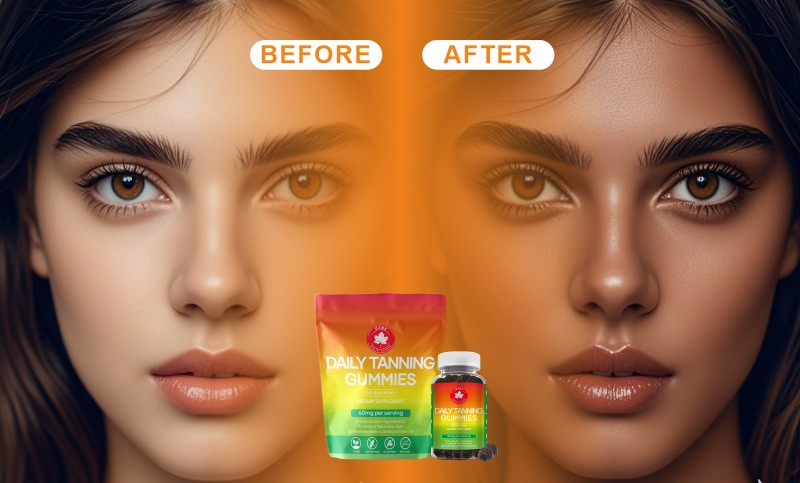
Modern consumers are highly skeptical. Today’s buyers actively research ingredients before making a purchase. They read scientific studies, watch reviews, and examine nutritional panels closely. Selling exaggerated claims quickly leads to high refund rates. It also damages your brand reputation permanently. You must offer a formulation grounded in physiological reality to succeed.
When you source bbl gummies, you must focus on supportive nutrition. These products do not magically alter human anatomy. Instead, they provide the building blocks necessary for muscle recovery and skin vitality. A reliable manufacturer will help you select ingredients supporting these realistic outcomes. They will guide you toward scientifically sound components rather than fleeting fads.
Your manufacturer should offer specific core components for body-enhancing formulas. Look for these proven ingredient categories:
Phytoestrogens and adaptogens: Ingredients like maca root extract and fenugreek dominate this space. Maca root acts as an adaptogen supporting hormonal balance and energy levels. Fenugreek contains natural compounds aiding muscle recovery after targeted glute exercises. They work synergistically to support an active lifestyle.
Structural proteins: Adding peptides and marine collagen is essential. As users build muscle, their skin needs extra support to stretch and remain firm. Collagen promotes skin elasticity. It keeps the targeted areas looking toned and youthful.
Essential vitamins: Vitamins like B12 and D3 provide foundational support. They boost cellular energy and promote bone health during heavy resistance training.
Watch out for clear warning signs during the formulation phase. Some suppliers offer "proprietary blends" to mask their formulas. Proprietary blends hide the exact dosages of active ingredients. This practice prevents you from knowing if the product contains effective amounts of maca or collagen. You cannot build consumer trust using hidden formulas.
Another major red flag involves excessive artificial sugars. High-sugar formulas contradict the health-conscious nature of your target audience. Avoid manufacturers relying heavily on corn syrup or artificial food dyes. Clean labels drive higher conversion rates. Choose partners offering natural sweeteners like stevia, monk fruit, or organic tapioca syrup.
You must choose a manufacturing model aligning with your business goals. Brand owners generally face two main pathways. You can select a pre-existing formula or create something entirely new. Each approach carries distinct operational and financial implications.
Turnkey solutions allow you to purchase pre-formulated products. The manufacturer simply applies your branding to their established formula. Many brands use this model to test the market quickly.
Pros: This model offers significantly lower Minimum Order Quantities (MOQs). You tie up less capital in inventory. The stability testing is already complete. You can launch your product in a matter of weeks.
Cons: You sacrifice unique market positioning. Your competitors might sell the exact same formula under a different label. You compete primarily on marketing rather than product differentiation.
Creating a custom formula means building the product from scratch. You collaborate with food scientists to design the exact nutritional profile you want.
Pros: You gain complete control over flavor profiles and ingredient ratios. You can easily highlight unique selling propositions (USPs). Nobody else will have your exact product.
Cons: Custom work requires higher research and development costs. It extends your launch timeline significantly. You must wait for mandatory stability testing. Custom formulas also demand much higher MOQs.
How do you choose between these options? Ask yourself these critical questions:
What is your current scale? Startups benefit from turnkey private label gummies to minimize upfront risk. Established brands should leverage custom formulas for long-term dominance.
What is your budget? If cash flow is tight, avoid custom formulation. R&D fees and high MOQs can drain your resources quickly.
What is your desired time-to-market? If you want to capitalize on a trend immediately, turnkey is the only viable route. Custom formulation usually takes several months to perfect.
Sourcing Model Comparison Matrix
Factor | Turnkey Private Label | Custom Formulation |
|---|---|---|
Time to Market | 4 - 6 Weeks | 12 - 16+ Weeks |
Minimum Order Quantity | Low (e.g., 1,000 units) | High (e.g., 10,000+ units) |
Differentiation | Branding Only | Unique Formula & Flavor |
Upfront Costs | Low (Inventory Only) | High (R&D + High Inventory) |
Selecting a manufacturing partner requires intense scrutiny. A visually appealing website means nothing without verifiable credentials. You must protect your consumers and your brand by demanding strict compliance standards. Never compromise on these four critical areas.
You must demand proof of proper facility registrations. Ask for their FDA registration number immediately. Verify their cGMP (Current Good Manufacturing Practice) certification. Third-party auditors issue cGMP certificates to ensure consistent quality control. A valid cGMP certification proves the facility maintains strict hygiene, accurate ingredient weighing, and proper equipment sanitization.
Trust but verify. Your partner must provide batch-specific Certificates of Analysis (COAs). A COA proves the finished product matches the label claims. It confirms purity and exact potency. Crucially, it verifies the absence of dangerous contaminants. The COA must show clear passes for heavy metals, mold, and harmful bacteria. Do not accept in-house testing exclusively. Demand results from an independent, accredited laboratory.
The modern consumer increasingly prefers plant-based options. When launching beauty gummies, vegan formulations often perform better. Evaluate your manufacturer’s ability to produce pectin-based products. Pectin derives from fruit and provides a softer, cleaner bite. Gelatin derives from animal byproducts. While gelatin is cheaper, pectin dominates the premium supplement market. Ensure your partner possesses the specialized equipment needed to handle pectin effectively, as it requires higher cooking temperatures.
Your manufacturer must grow alongside your brand. Assess their overall production capacity early. Can they handle small pilot runs initially? More importantly, can they scale smoothly to high-volume production if your product goes viral? Ask about their standard lead times for reorders. Supply chain bottlenecks can destroy your momentum. A reliable partner will maintain consistent lead times regardless of your order size.
Regulatory compliance is not optional. The Federal Trade Commission (FTC) and the FDA strictly monitor dietary supplement advertising. Understanding these rules protects you from devastating lawsuits and product seizures.
You must understand the strict difference between allowable and prohibited claims. The FDA permits "structure/function claims." These statements describe how a nutrient affects normal body structure or function. Conversely, the FDA prohibits "disease claims" or bodily-alteration claims for dietary supplements. You cannot claim your product treats a condition or alters human anatomy artificially.
A reliable manufacturer acts as your regulatory compass. They will firmly advise against labeling promising "instant glute growth" or "guaranteed curves." These statements cross the line into non-compliant territory. Instead, they will help you craft compliant, supportive language. Examples of acceptable claims include "supports muscle recovery," "promotes healthy skin elasticity," or "aids post-workout repair." This language manages consumer expectations and complies with federal guidelines.
Your manufacturing partner serves as your first line of defense. A transparent partner reviews your label artwork before printing. They check your dietary panels for accuracy. They flag high-risk buzzwords. Partnering with a careless manufacturer exposes you to severe regulatory scrutiny. Warning letters from the FDA become public record. Such an event can destroy investor confidence and consumer trust overnight.
Once you understand the requirements, you need an actionable process. Moving from a broad list of candidates to a final partner requires systematic evaluation. Follow this structured approach to finalize your decision.
Never sign a contract without tasting the product. Request samples from your top three manufacturers. Evaluate them rigorously. Do not just eat one and move on. Perform a structured assessment. Test the texture first. Is it too sticky or overly rubbery? Analyze the flavor profile. Does it taste natural or chemically artificial? Pay close attention to the aftertaste. Some herbal extracts leave a bitter residue. Finally, test the melting point. Leave a sample in a warm room to ensure it remains stable.
Reviewing the manufacturing agreement is critical. Look for specific clauses protecting your interests. Demand raw material sourcing transparency. You need to know where they buy their ingredients. Check the liability limitations carefully. Ensure they hold adequate product liability insurance. If you opt for a custom formula, scrutinize the IP ownership clause. You must retain full ownership of your custom recipe. If you decide to switch manufacturers later, you need the right to take your formula with you.
Create a systematic way to compare your final options. Base your decision on objective criteria rather than just the lowest price. Below is a simple matrix structure you can use to score suppliers.
Supplier Evaluation Scoring Chart
Evaluation Criteria | Weight (1-5) | Supplier A Score | Supplier B Score |
|---|---|---|---|
Communication Speed | 4 | [Score / 10] | [Score / 10] |
Pricing Transparency | 5 | [Score / 10] | [Score / 10] |
Compliance Standards | 5 | [Score / 10] | [Score / 10] |
Sample Quality (Taste/Texture) | 4 | [Score / 10] | [Score / 10] |
Scalability & Lead Time | 3 | [Score / 10] | [Score / 10] |
Use this chart to remove emotion from the decision. The supplier scoring highest across weighted categories usually represents the safest, most reliable choice.
Capitalizing on a viral market trend requires precision and responsibility. You must balance the urge to launch quickly against the necessity of building a sustainable, trustworthy product line. Relying on scientifically backed ingredients and strict manufacturing protocols separates lasting brands from brief fads.
Document your non-negotiable requirements immediately. Clearly define your target MOQs, vegan requirements, and desired active ingredients. Reach out to your top three candidates today. Begin requesting product samples and verifying their COAs. Taking these definitive steps will position your brand for sustainable, compliant growth in the highly competitive supplement market.
A: Turnkey formulas typically require between 1,000 to 5,000 bottles per order. This lower barrier helps startups enter the market. Custom formulations demand much higher volumes. You should expect MOQs ranging from 10,000 to 25,000 bottles for entirely new recipes.
A: No. The FDA strictly prohibits claims promising to alter your body's physical structure artificially. Making direct glute-growth claims invites severe regulatory penalties. You must use compliant structure/function language. Phrases like "supports healthy curves" or "aids muscle recovery" remain safe and effective for marketing.
A: Timelines vary drastically by sourcing model. A turnkey private label launch usually takes 4 to 6 weeks. You only need time for label design and printing. Custom formulation takes much longer. Expect 12 to 16 weeks minimum to accommodate R&D, flavor sampling, and mandatory stability testing.
A: Yes. Pectin generally costs more than animal-derived gelatin. Pectin also requires specialized, high-temperature manufacturing equipment. However, the premium is highly justified. Consumers actively seek vegan, clean-label products. Offering a pectin-based formula allows you to command higher retail prices and capture a broader audience.

 +86 18802062544