
Views: 0 Author: Site Editor Publish Time: 2026-07-03 Origin: Site


The liver support supplement market is shifting rapidly from traditional capsules to high-absorption liquid formats. Driven by modern consumer demand, buyers now heavily prioritize daily convenience alongside highly bioavailable ingredients. However, formulators face a significant technical roadblock early in the development process. Silymarin, the active therapeutic compound found in milk thistle, has notoriously poor water solubility. This natural characteristic makes creating stable liquid formulations incredibly challenging. Furthermore, many existing commercial liquid extracts rely on harsh alcohols or animal-derived glycerin as bases. These outdated formulation methods alienate the rapidly growing plant-based consumer segment. Supplement brands must adapt their strategies to survive in a crowded landscape. This guide provides a clinical and commercial framework for navigating these specific formulation hurdles. It shows you exactly how to formulate compliant, highly bioavailable vegan silymarin milk thistle drops. Following these developmental steps ensures your final products stand up to rigorous market expectations and deep scientific scrutiny.
Bioavailability is the bottleneck: Effective liquid formulations must utilize advanced extraction and carrier systems (like organic vegetable glycerin) to overcome silymarin’s low solubility.
Standardization drives efficacy: Competitive product lines require extracts standardized to 70–80% silymarin to deliver therapeutic-level baseline efficacy.
Vegan compliance requires strict auditing: 100% plant-based claims necessitate rigorous vetting of carrier oils, solvents, and flavoring agents.
Claims must remain structural/functional: Marketing must align with regulatory guidelines, leveraging established clinical evidence without crossing into unauthorized disease-treatment claims.
We see a massive shift in how everyday consumers purchase health supplements. Pill fatigue represents a real, measurable trend in consumer behavior. People grow tired of swallowing handfuls of large capsules every morning. They actively seek out easier daily routines. Liquids offer a highly welcome, user-friendly alternative. Shoppers also firmly perceive liquids as absorbing faster into their systems. This widespread perception directly drives increased sales in the liquid supplement category. Offering well-formulated milk thistle drops helps your brand stand out sharply. Most market competitors still rely entirely on standard, unoptimized powders. A liquid tincture feels inherently premium to the buyer. It feels more direct and potent. You capture a highly lucrative demographic by offering these liquid formats.
Your core demographic primarily includes wellness-focused adults. They actively seek targeted detox and cleanse solutions for daily health maintenance. Vegan consumers form a highly critical, fast-growing subset of this overarching group. They scrutinize supplement labels closely for absolute ingredient purity. They demand high cellular absorption. They fundamentally refuse any animal-derived byproducts. Meeting their exact needs builds fierce, long-lasting brand loyalty. You must understand their specific purchasing criteria to succeed.
Strict plant-based formulation: Zero animal products, including the exclusion of animal-derived glycerin or non-vegan flavorings.
High clinical absorption rates: Scientifically backed delivery methods solving poor solubility.
Clean-label ingredients: Complete absence of artificial preservatives, synthetic colors, or harsh chemical solvents.
Best Practices: Always highlight the lack of pill binders and fillers in your marketing copy. Liquid consumers buy liquids specifically to avoid these unnecessary additives.
Common Mistakes: Brands often assume "liquid" automatically equals "better absorption" in the consumer's mind. While perception matters, failing to back this up clinically leads to poor product reviews later.
Sourcing directly dictates the ultimate success of your new formulation. You absolutely cannot rely on basic herb powders for premium liquids. You must strictly standardize the active compounds during raw material intake. Silybum marianum provides the actual biological benefits. However, standard whole-herb ratios like 4:1 mean very little clinically. You need exact, verifiable percentages of the active compound. Standardizing your raw material to at least 70-80% silymarin guarantees true potency. This rigorous approach ensures a baseline therapeutic efficacy per recommended serving.
Next, you must evaluate your primary liquid carrier system carefully. Traditional botanical tinctures rely heavily on alcohol bases. Modern, health-conscious consumers often reject alcohol-based supplements entirely. You need reliable vegan alternatives for your suspension. Organic vegetable glycerin works perfectly in this application. It serves as a sweet-tasting, naturally vegan-friendly base. You must ensure you source it exclusively from flax or coconut. Palm-free glycerin sources appeal best to eco-conscious buyers. This deliberate sourcing maintains strict "vegan" and "alcohol-free" claims directly on your product label.
Solvent selection impacts final product purity immensely. Clean extraction remains absolutely non-negotiable for premium brands. Avoid cheap, toxic chemical solvents at all costs during manufacturing. We highly recommend utilizing subcritical water extraction methods. Alternatively, use pure ethanol if the facility fully evaporates it post-extraction. This careful process prevents any toxic residual solvents from lingering in your final product batch. It ensures you produce clean, high-yield silymarin drops safely and ethically.
Best Practices: Demand thorough documentation from ingredient suppliers proving their glycerin originates from non-palm, non-animal sources. Keep these certificates on file.
Common Mistakes: Using cheaper standard milk thistle extracts. These often contain only 20-30% silymarin. This low percentage forces you to use massive liquid doses to achieve any clinical benefit.
Let us address the harsh pharmacokinetic reality of this herb. Silymarin acts as a highly hydrophobic compound. It actively repels water at a molecular level. This poor solubility limits bodily absorption dramatically. If you simply mix the raw powder into water, it settles immediately. The human digestive tract subsequently excretes most of the active compounds. We must solve this inherent solubility problem chemically to create an effective liquid.
Advanced formulation technologies offer viable, scalable solutions. Micellar technology wraps the hydrophobic compound in water-friendly microscopic spheres. Liposomal encapsulation uses delicate lipid bilayers for enhanced cellular transport. Both technologies vastly improve cellular uptake in the gut. Complexation utilizing sunflower-derived phosphatidylcholine creates unique structures called phytosomes. Phytosomes drastically increase overall bioavailability. They safely maintain your product's crucial vegan status. They closely mimic human cell membranes. This mechanism essentially tricks the body into absorbing the compound easily.
Below is a comparative breakdown of liquid delivery technologies for botanical compounds.
Delivery Technology | Mechanism of Action | Vegan Compatibility | Relative Absorption Increase |
|---|---|---|---|
Standard Suspension | Basic mechanical mixing in glycerin/water | Yes (if using vegetable glycerin) | Low to Moderate |
Micellar Technology | Encapsulates compound in hydrophilic spheres | Yes (requires vegan emulsifiers) | High |
Liposomal Encapsulation | Uses lipid bilayers for cellular transport | Yes (if using sunflower/soy lipids) | Very High |
Phytosome Complexation | Binds extract to phosphatidylcholine | Yes (typically sunflower-derived) | Very High |
Liquid suspensions pose unique, difficult stability risks. They can separate or precipitate over time on store shelves. You must define strict accelerated stability testing protocols immediately. Expose prototype samples to elevated heat and humidity levels. Track them meticulously to ensure the liquid suspension does not degrade. A standard commercial goal remains a stable 24-month shelf life. Achieving this prevents widespread customer complaints about chunky or separated liquids.
Marketing your liquid supplement requires extreme care and precision. You must navigate DSHEA and FDA guidelines strictly to avoid penalties. Never cross the line into illegal disease treatment claims. You absolutely cannot state your product "cures fatty liver." Instead, utilize compliant structural and functional claims. You can legally say it "supports healthy liver enzyme function." This careful language keeps your brand legally protected.
Leverage existing clinical evidence ethically in your marketing. Cite reputable scientific literature in your supporting brand materials. Use verified data from NCBI or NIH to back up your unique formulation. Discuss the documented antioxidant properties openly. Explain the hepatoprotective mechanisms clearly to your consumers. However, never overpromise medical results. Build long-term trust through transparent, balanced, and evidence-oriented claims.
Proper warning labels protect your vulnerable consumers. They also deeply protect your business from liability. Disclose potential drug interactions clearly on the side panel. The compound frequently interacts with cytochrome P450 enzymes in the human liver. This interaction can significantly alter how certain prescription medications process. Additionally, include strict warnings for individuals holding ragweed allergies. The plant belongs to the exact same botanical family. Disclosing this detail prevents severe allergic reactions entirely.
Best Practices: Have a specialized regulatory attorney review your bottle label before printing any commercial batches. Small phrasing errors cost thousands in FDA recalls.
Common Mistakes: Overhyping the term "detox." Regulatory bodies frequently flag brands using "detox" implied as a medical cure for specific toxic ingestions.
Your finished formulation is only as good as your chosen manufacturer. Evaluating Contract Manufacturing Organizations (CMOs) takes immense diligence. Do not compromise on critical facility certifications. Holding a cGMP certification is an absolute non-negotiable requirement. Look specifically for NSF or NPA registration as well. Because you claim a strict plant-based product, demand physical proof of specific Vegan and Cruelty-Free auditing capabilities. The facility must demonstrate cross-contamination prevention protocols.
Establish strict analytical testing tolerances upfront in your contract. Require a valid, third-party Certificate of Analysis (CoA) at three distinct manufacturing stages. First, test upon initial raw material intake. Second, test during the in-process blending phase. Third, test the final finished product. These comprehensive tests must check for dangerous heavy metals and strict microbial limits. They must also definitively verify the exact silymarin content per serving.
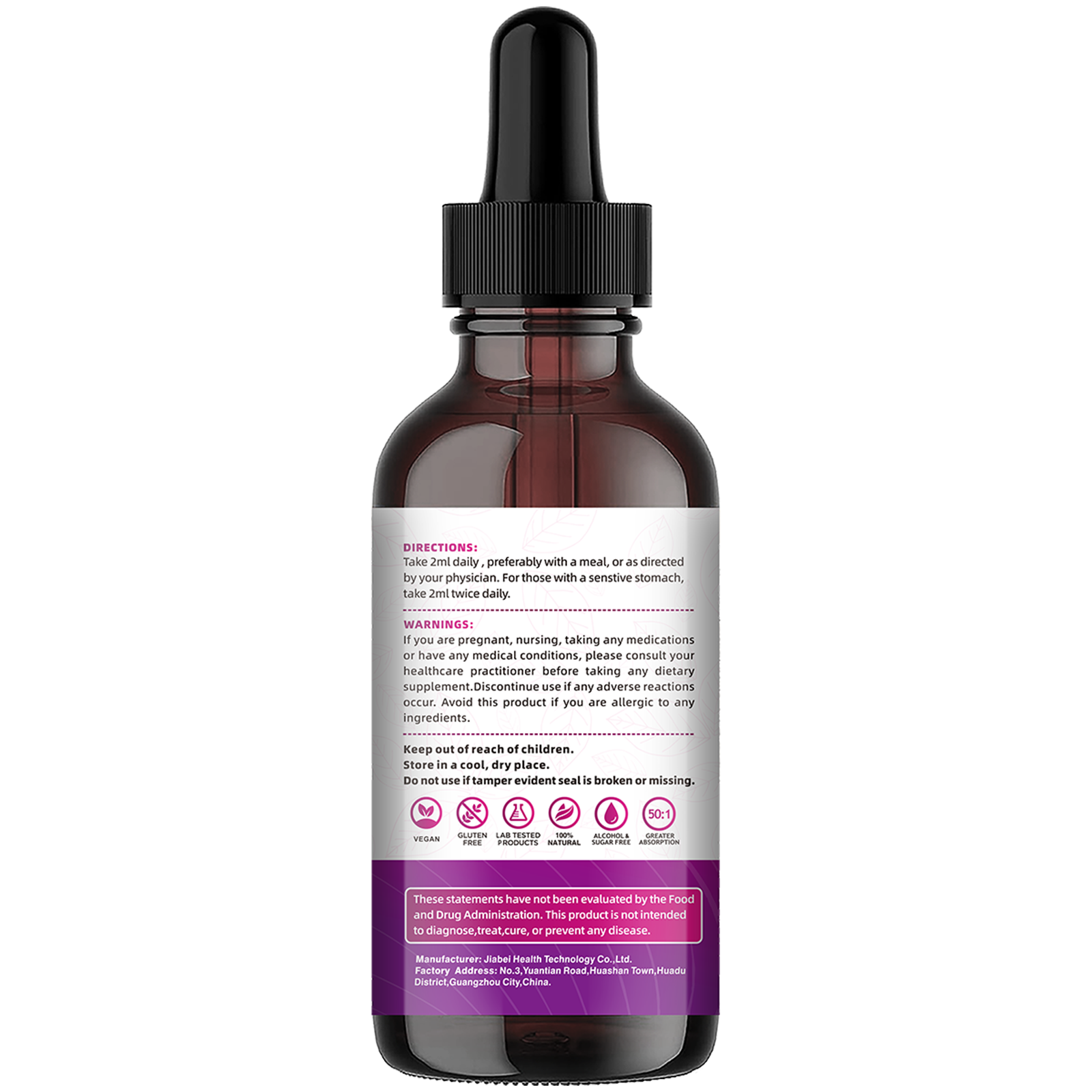
Discuss Minimum Order Quantities (MOQs) early in negotiations. Evaluate their true production capacity realistically. Check their automated fill-line capabilities for standard dropper bottles. You will likely require 1oz or 2oz amber glass bottles. Amber glass fundamentally protects the sensitive liquid from harmful UV light degradation. Finally, assess their overall supply chain resilience. Botanical extracts face frequent global market shortages. Ensure your CMO maintains established backup suppliers for core raw materials.
Best Practices: Request a physical tour of the facility. Seeing the liquid fill-lines operating provides insight into their true operational cleanliness.
Common Mistakes: Accepting an in-house lab test instead of demanding an ISO-certified third-party laboratory analysis for the final CoA.
Developing highly competitive liver support liquids takes true operational precision. It requires expertly balancing complex extraction chemistry alongside strict regulatory compliance. Clean-label sourcing remains absolutely essential for long-term commercial success in this growing niche. You cannot cut corners on raw material standardization or advanced delivery systems. Consumers notice poor efficacy quickly.
Advise your formulation teams to move methodically through the development cycle. Begin your journey by securing a highly reliable, verifiable source of premium extracts. Once secured, immediately request physical pilot samples from cGMP-certified liquid manufacturers. Keep these critical next steps in mind as you build your product line.
Prioritize advanced delivery systems like liposomes or phytosomes to definitively solve absorption issues.
Vet your contract manufacturer heavily for strict vegan compliance and cross-contamination protocols.
Stick strictly to established structure and function marketing claims to avoid regulatory actions.
Demand raw material standardization to at least 70% active compounds prior to formulation.
Package the final liquid exclusively in amber or cobalt glass bottles to prevent UV degradation.
A: Industry standards dictate utilizing extracts standardized to 70–80% silymarin to ensure consistency and clinical relevance per serving.
A: While liquid drops bypass the initial breakdown phase of capsule shells, the true absorption rate of silymarin drops depends entirely on the carrier system (e.g., phytosomes or micellar structures) due to the compound's hydrophobic nature.
A: Yes, when formulated at the correct concentration (typically >50%), vegetable glycerin acts as a highly effective, vegan-friendly bacteriostatic preservative and sweet-tasting carrier, replacing the need for alcohol.
A: The main risks include precipitation of the active compound out of the solution, oxidation of carrier oils, and degradation from UV light exposure (which is mitigated by using amber or cobalt glass dropper bottles).

 +86 18802062544