
Views: 0 Author: Site Editor Publish Time: 2026-07-07 Origin: Site


The nutraceutical industry is experiencing explosive growth in the tropical superfruit segment. Today, consumers are rapidly shifting away from raw botanical powders toward high-absorption liquid extracts. This evolution presents exciting new revenue streams for agile dietary brands. However, supplement companies face a critical challenge when entering this competitive space. You must carefully balance surging consumer demand for holistic wellness against strict requirements for clinical accuracy. Regulatory compliance and transparent safety profiling remain non-negotiable for long-term market survival. This article provides supplement brand owners, formulators, and marketers an evidence-based framework. You will discover how to evaluate, formulate, and legally position these liquid formulations. We will guide you through building a trustworthy brand designed to stand out in a highly crowded supplement market.
Format Advantage: Liquid soursop drops bypass digestion bottlenecks associated with capsules, appealing to consumers seeking rapid-absorption herbal immune drops.
Compliant Claims: Successful market entry requires pivoting away from high-risk medical claims (e.g., disease treatment) toward verifiable structure-function claims (immune resilience, gut microbiome support).
Risk Mitigation: Addressing consumer skepticism—specifically regarding alkaloid profiling and neurotoxicity concerns—is a mandatory baseline for brand trustworthiness.
Supplier Evaluation: Sourcing must prioritize third-party testing for active compounds (acetogenins) and contaminants to ensure batch-to-batch consistency.
Many consumers now prefer sublingual delivery over traditional pills. Liquid extracts bypass primary digestion bottlenecks entirely. They enter the bloodstream much faster through the mucosal membranes in the mouth. People want quick, noticeable results from their daily wellness routines. Encapsulated powders often suffer from poor degradation in the stomach acids. This results in diminished therapeutic efficacy. Liquid delivery ensures active botanical compounds survive the initial metabolic pass.
Delivery Format | Absorption Rate | Metabolic Bypass | Consumer Convenience |
|---|---|---|---|
Sublingual Extracts | Rapid (Minutes) | High (Bypasses primary digestion) | Excellent (Mixable, easy to swallow) |
Traditional Capsules | Slow (30-60 Minutes) | Low (Subject to stomach acid) | Moderate (Pill fatigue common) |
Raw Powders/Teas | Variable | Low (Requires brewing/digestion) | Poor (Time-consuming preparation) |
We see a rising demand for ultimate convenience. Users simply squeeze a dropper into water or their morning smoothies. This ease of use drives tremendous repeat purchase rates. Pill fatigue is a documented reality in the wellness space. Consumers hesitate to swallow multiple large capsules every morning. Liquid formats solve this adherence problem beautifully. They feel less like medication and more like a lifestyle enhancement.
Historically, this botanical remained a niche ethnomedical ingredient. It primarily lived in specialized herbalist shops. Today, it crosses over into mainstream wellness categories. It directly competes against established staples. Consumers view it as a compelling, exotic alternative to traditional herbal immune drops like elderberry or echinacea. Formulators recognize this crossover potential. They position these products to capture audience share from legacy immune support brands.
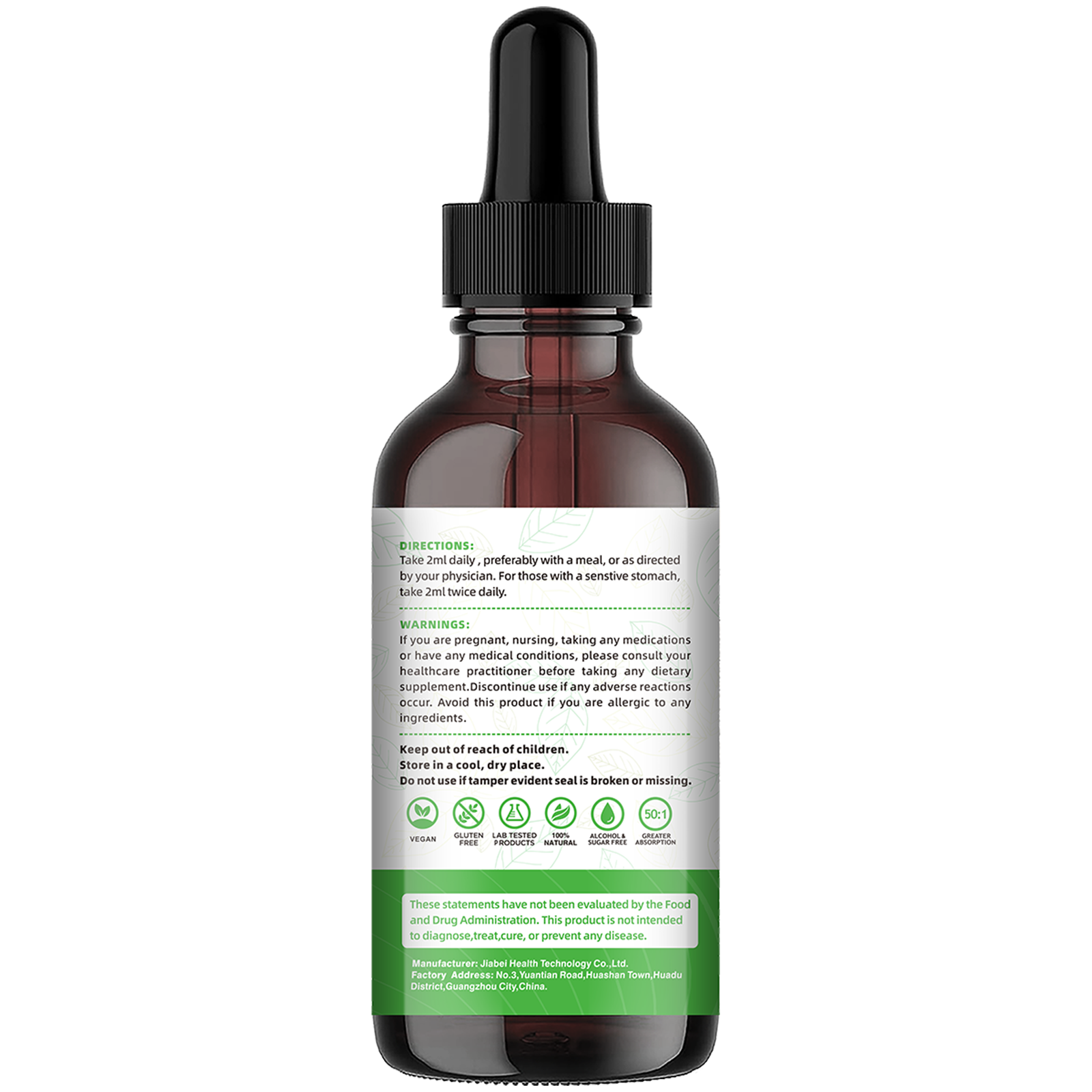
Successful brands master the art of compliant copywriting. You cannot use high-risk medical language. Making disease-treatment claims triggers immediate regulatory enforcement from the FTC and FDA. Instead, you must translate clinical literature into compliant structure-function claims. Medical databases host extensive research regarding the robust antioxidant profiles found in these leaves. You can legally discuss how antioxidants neutralize free radicals. You can emphasize how these extracts support cellular integrity.
Consider these best practices for compliant language:
Replace "prevents" with "proactively supports."
Replace "cures" with "assists bodily maintenance."
Replace "treats" with "promotes normal function."
Always include standard FDA dietary supplement disclaimers on labels.
Consumers respond well to ingredient education. You build authority by explaining exactly how your product works. Marketing materials should highlight the specific biochemical drivers of immune regulation. The primary active constituents include:
Annonaceous Acetogenins: These are unique phytochemicals studied for their cellular support capabilities.
Alkaloids: Natural compounds helping modulate the body's baseline stress responses.
Flavonoids: Powerful antioxidants essential for reducing oxidative stress systemically.
Avoid marketing your product as an overnight miracle cure. That approach damages brand credibility rapidly. Instead, position your soursop drops as a systemic immune modulator. Frame them as a foundational tool for proactive, daily wellness routines. Educated consumers respect brands offering balanced, realistic health timelines. Emphasize cumulative benefits resulting from consistent daily usage.
Modern clinical research reveals a fascinating biological reality. Roughly 70% of the human immune system resides within the gut. You can leverage this fact to create a cohesive multi-symptom narrative. A premium soursop supplement does not just support systemic immunity. It actively participates in maintaining optimal gastrointestinal environments. This dual-benefit approach dramatically increases the perceived value of your SKU.
These tropical leaves possess natural anti-inflammatory properties. They feature a complex alkaloid profile ideal for digestive support. You can position the liquid extract for gut lining maintenance. It helps soothe occasional digestive discomfort. It also promotes general microbiome balance. By linking digestion to immunity, you capture two massive consumer search intents simultaneously.
Formulators often evaluate botanical blending opportunities. You can blend this primary extract with other complementary herbs. Ginger root provides excellent synergistic digestive support. Marshmallow root offers powerful mucilage properties for gut lining comfort. Creating a proprietary blend establishes a deep defensive moat against competitors. It transforms a basic commodity ingredient into a premium, differentiated product.
Patient forums and clinical community boards often discuss safety anxieties. The most prominent concern involves a specific compound called annonacin. Some anecdotal discussions link high annonacin consumption to potential neurotoxicity. You cannot ignore these consumer fears. Transparent brands tackle this skepticism directly. You build immense trustworthiness by openly publishing your safety testing protocols. Address these concerns in your educational blog content and FAQ sections.
Internet forums constantly promote anecdotal dosage recommendations. These wild guesses jeopardize consumer safety. You must establish safe, daily-use guidelines based strictly on current pharmacological monographs. Work closely with specialized botanical formulation chemists. They determine the optimal therapeutic window for liquid extracts. Clear, standardized serving sizes prevent accidental overconsumption.
Common Formulation Mistakes:
Relying on generic supplier guidelines instead of independent toxicological reviews.
Failing to account for the concentration ratio (e.g., 10:1 vs 4:1 extracts).
Using vague dropper measurements instead of clearly marked ML indicators.
Building long-term authority requires absolute label transparency. You must clearly state all relevant contraindications. These botanical extracts may interact with certain blood pressure medications. They are typically contraindicated during pregnancy or nursing. Including these warnings does not hurt sales. On the contrary, medical honesty builds fierce customer loyalty. It proves you prioritize their well-being over a quick transaction.
The solvent used during manufacturing dramatically impacts the final product. You must choose between alcohol-based tinctures and glycerin-based extracts. Alcohol provides superior extraction for certain dense phytochemicals. It offers an exceptionally long shelf life. However, many consumers dislike the harsh, burning taste. Glycerin provides a sweeter, highly palatable user experience. It appeals strongly to mainstream wellness consumers. It also accommodates alcohol-free lifestyle preferences.
Metric | Alcohol Extraction | Glycerin Extraction |
|---|---|---|
Taste Profile | Sharp, bitter, medicinal | Sweet, smooth, highly palatable |
Consumer Appeal | Traditional herbalists, purists | Mainstream wellness users, families |
Shelf Life | Very High (3-5+ years) | Moderate (1-3 years) |
Phytochemical Yield | Excellent for resinous compounds | Good, but may require longer maceration |
Selecting the right contract manufacturer dictates your ultimate success. Do not simply choose the cheapest vendor available. You need a rigorous auditing checklist. First, verify their current cGMP certification status. Second, demand exact identity testing protocols for raw Graviola leaves. Adulteration remains a significant problem in global botanical supply chains. Third, review their heavy metal and pesticide testing panels. Every single batch requires a comprehensive Certificate of Analysis (COA).
Sourcing tropical raw materials introduces unique logistical realities. Climate events can disrupt harvest cycles unexpectedly. You must proactively manage these inherent supply chain risks. Partner with manufacturers utilizing diversified geographic sourcing. This strategy prevents crippling inventory stockouts during peak seasons. Maintaining ingredient purity at scale requires continuous vendor communication. You cannot simply set and forget your supply chain.
Strategic market entry requires meticulous planning. Soursop liquid formulations represent a phenomenal, high-margin opportunity for dietary brands. You capture a deeply engaged audience looking for natural holistic alternatives. However, you must commit to rigorous safety testing and highly compliant marketing. Your next step involves initiating pilot formulations with vetted cGMP partners. Request comprehensive supplier COAs immediately to establish your safety baselines. Finally, draft your initial regulatory-compliant marketing briefs. Focus strictly on structure-function claims regarding immune resilience and digestive harmony. You will build a resilient brand capable of leading the botanical supplement category.
A: Focus entirely on structure-function language. Use verbs like "supports," "maintains," and "assists." You can state the product "supports healthy immune system function." You can also claim it "maintains a balanced gut microbiome." Never claim it cures, treats, or prevents any specific disease or viral infection.
A: Liquid extraction typically carries slightly higher initial manufacturing costs. The maceration and filtration processes require specialized equipment. However, liquids often command higher retail price points. Consumers perceive them as premium, fast-acting formats. This dynamic usually results in superior overall profit margins compared to basic encapsulation.
A: Always include standard disclaimers advising consultation with a healthcare professional. Add specific warnings for pregnant or nursing women. Highlight potential interactions for individuals currently taking hypotensive (blood pressure lowering) medications. Clear safety warnings build immense brand trust and shield you from liability.
A: Yes. Many brands successfully stack botanicals to avoid redundancy. You can market it alongside echinacea or elderberry by focusing on its unique dual-benefit profile. Emphasize its combined gut-immune synergy. This provides a distinct value proposition lacking in traditional single-ingredient herbal immune drops.

 +86 18802062544