
Views: 0 Author: Site Editor Publish Time: 2026-07-11 Origin: Site


High-efficacy liver support formulations are transitioning rapidly. They are moving out of niche bodybuilding circles and stepping directly into mainstream wellness markets. This shift is driven by massive consumer demand for science-backed detoxification. As a premium active ingredient, tauroursodeoxycholic acid commands high retail margins. However, it carries significant supply chain risks. You must strictly navigate potential issues regarding absolute purity, sourcing ethics, and formulation stability. Brands face serious challenges finding reliable raw materials today. This comprehensive guide provides a strategic framework for product managers and brand owners. You will learn how to systematically evaluate reliable manufacturers. We will show you how to verify raw material quality effectively. Ultimately, you can successfully source a high-grade TUDCA supplement for your expanding wellness product lines.
Market Positioning: A standalone or synergistic TUDCA liver support product targets high-LTV consumers willing to pay a premium for verified efficacy.
Sourcing Ethics & Reality: Commercially viable TUDCA is strictly synthetically derived; avoid suppliers making unverifiable "natural" claims.
Purity Thresholds: Reputable sourcing requires non-negotiable, third-party verified Certificates of Analysis (CoAs) showing >98% purity.
Formulation Strategy: Taste-masking and moisture control dictate whether capsules or raw powders are the optimal delivery mechanism for your target audience.
Consumers now demand more than basic botanical blends. We see a distinct market gap opening up. Shoppers are moving beyond generic milk thistle extracts. They actively seek clinically recognized bile acids offering cellular-level support. Tauroursodeoxycholic acid fits this exact profile perfectly. It provides targeted protection for hepatic cells and promotes healthy bile flow.
Launching a successful product requires careful financial balancing. You must weigh high raw material costs against perceived consumer value. Transparent dosing serves as your primary tool here. Shoppers will pay premium prices when they see exact milligram counts on the label. Hiding behind proprietary blends damages consumer trust instantly.
You should focus your marketing efforts on specific, high-intent demographics. Biohackers constantly search for advanced cellular optimization tools. Fitness professionals actively manage hepatic stress caused by intense training regimens. Additionally, aging consumers actively seek a premium liver detox supplement to maintain long-term metabolic health. Each group demonstrates high customer lifetime value. They remain fiercely loyal to brands delivering verifiable results.
You must understand the origins of your raw materials. Historically, certain cultures harvested natural bile from bears. This practice is entirely unethical and illegal in most jurisdictions today. Modern, commercially viable tauroursodeoxycholic acid is strictly synthetic. Do not let the word "synthetic" scare your marketing team. The resulting molecule is chemically identical to the naturally occurring bile acid.
Manufacturers typically use microbial fermentation or advanced chemical synthesis. You must implement strong risk mitigation strategies during supplier evaluation. Disqualify any supplier claiming their bulk material is "natural" or "animal-derived." Reputable vendors always provide clear documentation outlining their specific synthesis process. They operate transparently.
Establishing absolute purity metrics is non-negotiable. You must enforce a strict baseline of 98% purity or higher. Lower grades introduce unacceptable risks to your finished product. Unscrupulous suppliers often use cheap adulterants to inflate their margins. They might cut the batch using undeclared maltodextrin. Worse, they sometimes substitute lesser bile salts. Ursodeoxycholic acid (UDCA) is cheaper and frequently sold falsely as TUDCA. You must detect these substitutions early.
Sourcing Method | Ethical Standing | Molecular Identity | Commercial Viability |
|---|---|---|---|
Animal-Derived (Historical) | Highly Unethical / Illegal | Natural Bile Acid | Zero (Do not source) |
Microbial Fermentation | Ethical / Sustainable | Chemically Identical | High (Recommended) |
Chemical Synthesis | Ethical / Regulated | Chemically Identical | High (Industry Standard) |
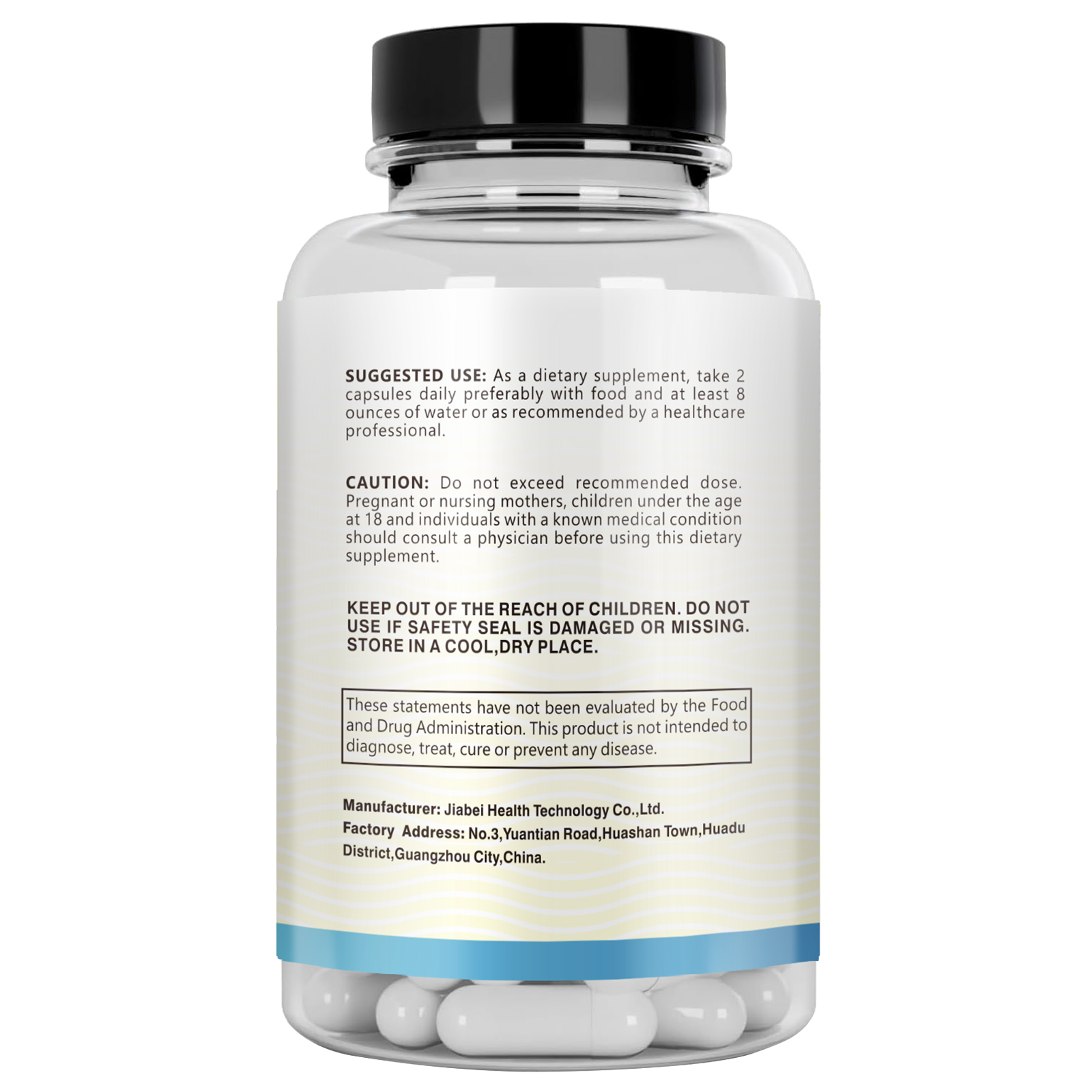
Deciding on the correct delivery mechanism shapes your entire manufacturing process. You must evaluate the sensory and functional characteristics of the raw material. Each format presents distinct advantages and specific manufacturing hurdles.
Capsules dominate the premium wellness market for good reason. They eliminate major sensory complaints and simplify consumer compliance.
Advantages: The capsule shell perfectly masks the ingredient's inherently bitter taste. It standardizes exact clinical dosing effortlessly. Brands typically target either 250mg or 500mg per capsule to align with market expectations.
Considerations: You must carefully evaluate your chosen excipients. Clean-label consumers reject synthetic flow agents. Consider using organic rice flour or natural silica instead. Additionally, choose your capsule material wisely. Vegan HPMC capsules appeal to broader audiences than traditional bovine gelatin.
Selling bulk powder targets a very specific, hardcore consumer base. It requires entirely different packaging and handling protocols.
Advantages: Bulk powders appeal directly to purists. They allow consumers to execute custom-dosing protocols easily. Furthermore, skipping the encapsulation process significantly lowers your manufacturing cost per serving.
Considerations: This compound is highly hygroscopic. It absorbs ambient moisture rapidly. This susceptibility leads to severe clumping inside the tub. You must implement rigorous moisture control protocols in your packaging. Furthermore, significant flavor-masking challenges exist. The extreme bitterness makes flavored powder formulations notoriously difficult to perfect.
You cannot compromise on quality assurance protocols. Sourcing a TUDCA liver support ingredient requires extensive analytical testing. In-house manufacturer testing is simply insufficient for high-ticket bile acids. A clear conflict of interest exists when suppliers grade their own homework.
You must mandate independent, third-party testing for every single batch. The testing parameters must be exhaustive. Labs must check for heavy metals like lead, arsenic, cadmium, and mercury. Because production relies on synthesis, checking for toxic solvent residues is absolutely critical. Finally, ensure the material passes strict microbial limit tests.
Facility certifications offer another layer of essential protection. You must mandate sourcing from cGMP (Current Good Manufacturing Practice) certified facilities. If you distribute within the US market, verify their FDA-registered facility status immediately. Ask for their specific registration numbers.
Apply this rigorous vetting to your outward marketing as well. Adopt a full label disclosure strategy. Top-tier clinical brands mimic this transparent approach to build immense consumer trust. List every single milligram. Expose your testing standards publicly. This radical transparency boosts your brand's expertise, experience, authoritativeness, and trustworthiness.
Testing Parameter | Primary Risk Factor | Verification Method |
|---|---|---|
Identity & Purity | Dilution / Substitution (e.g., UDCA) | HPLC (High-Performance Liquid Chromatography) |
Heavy Metals | Environmental Contamination | ICP-MS |
Solvent Residues | Poor Synthesis Cleanup | Gas Chromatography (GC) |
Microbial Limits | Poor Facility Hygiene | Standard Plate Count |
The global supply chain hides numerous pitfalls. You must actively hunt for warning signs during your supplier vetting phase. Missing these red flags leads to disastrous product recalls and ruined brand reputations.
Avoid the "proprietary blend" pitfall at all costs. Shady suppliers often push pre-mixed blends. They obscure the exact milligram count of the active bile acid to cut their own costs. They might sprinkle in 10mg of the active compound and fill the rest using cheap milk thistle. You must reject this practice entirely.
Watch out for unrealistic pricing models. Authentic raw materials are inherently expensive to produce. The synthesis process requires specialized equipment and significant time. Rock-bottom bulk pricing is a primary indicator of fraud. It usually signals heavy dilution using maltodextrin. It might also indicate direct substitution using cheaper bile acids.
Scrutinize every Certificate of Analysis closely. Vague CoAs are a massive red flag. Reject documents lacking batch-specific production dates. Do not accept in-house printouts lacking independent lab letterheads. Ensure the document explicitly lists the testing methods used. You want to see "HPLC verification" explicitly stated next to the purity score.
Before placing bulk orders, finalize your exact formulation strategy. Decide whether to launch a standalone product or a synergistic blend. Standalone formulas showcase the pure power of the ingredient. Synergistic blends combine it logically with complementary compounds. Consider adding N-Acetyl Cysteine (NAC), premium Milk Thistle extracts, or specialized digestive enzymes. Both approaches work, but they dictate different raw material requirements.
Implement a strict shortlisting logic when contacting potential suppliers. Follow this exact sequence to protect your investment:
Request batch-specific CoAs from their last three consecutive production runs. Consistency matters just as much as absolute purity.
Order small raw material samples directly to your office. Send these samples out for independent third-party HPLC testing immediately.
Evaluate their Minimum Order Quantities (MOQs) closely. Compare these numbers against your initial launch budget and storage capabilities.
Your actionable next step is initiating R&D pilot runs. Do not commit to full-scale production yet. Run small batches to test capsule fill weights on your specific machines. If you chose the powder route, test powder solubility and flavor profiles rigorously. These pilot runs expose hidden manufacturing hurdles before they become expensive disasters.
Sourcing a high-quality product in this category requires intense diligence. You must navigate a complex supply chain prone to unusually high costs and potential adulteration. Protecting your brand reputation is your primary responsibility. Establish absolute minimum purity standards early on. Demand completely transparent third-party testing for every single batch you purchase.
Choosing the correct delivery format ensures long-term consumer compliance. Most wellness brands find immense success utilizing standardized capsules to mask bitterness. By enforcing these strict sourcing protocols, you protect your bottom line. You can confidently deploy a high-value product delivering verifiable wellness outcomes. Ultimately, this rigorous approach secures incredible customer loyalty and dominant market positioning.
A: Most premium brands target a daily dosage range between 250mg and 500mg. This standardization aligns closely with prevailing literature regarding hepatic cellular support. Higher clinical dosages exist, but 500mg serves as a safe, highly effective baseline for general wellness product lines.
A: Producing ethical, high-purity tauroursodeoxycholic acid requires a complex synthetic or microbial fermentation process. Unlike cheap botanical extracts, this manufacturing demands advanced laboratory equipment, specialized precursor molecules, and extensive purification steps to remove toxic solvent residues.
A: Formulating this ingredient into liquids or gummies remains highly impractical. The raw material possesses an overwhelmingly bitter, sulfur-like taste. It easily overpowers standard sweetening agents. Additionally, stability issues in aqueous environments make traditional capsules and dry powders the strictly preferred industry formats.

 +86 18802062544