
Views: 0 Author: Site Editor Publish Time: 2026-07-05 Origin: Site


The liver health category is expanding rapidly across the globe. Meanwhile, consumer delivery preferences are actively shifting away from traditional pill formats. Shoppers now seek continuous innovation in how they consume their daily nutrition. Capsules still remain the trusted industry standard for most botanical extracts. However, liquid formats are steadily capturing highly valuable premium market share. Formulating these products using silymarin presents unique biochemical and manufacturing challenges. Brands often struggle to extract and deliver this complex compound effectively without compromising shelf stability. Choosing between liquid tinctures and solid capsules requires carefully balancing bioavailability claims against your unit economics. You must also navigate tricky organoleptic hurdles and strict regulatory compliance guidelines. Here is an evidence-based framework to help you decide. We will explore how to determine which format aligns best with your brand's operational capabilities and your target audience.
Absorption Realities: Silymarin is notoriously poorly soluble in water. Liquid drops offer faster initial absorption, but require careful solvent formulation (glycerin/alcohol) to ensure compound stability.
Market Positioning: Vegan silymarin milk thistle drops command a premium retail price and appeal to consumers with pill fatigue, whereas capsules offer high-volume scalability and lower production costs.
Formulation Hurdles: Liquid formats demand rigorous taste-masking and stability testing, while capsules excel at delivering standardized, high-dose extracts (e.g., 80% silymarin) with minimal specialized R&D.
Compliance: Both formats require strict adherence to structure/function claim boundaries regarding liver support, avoiding implied disease-treatment language.
Rising consumer "pill fatigue" poses a serious business problem for legacy nutrition brands. Customers take multiple vitamins daily. They eventually grow tired of swallowing numerous large capsules. This fatigue forces forward-thinking brands to aggressively diversify their delivery methods. Liquid formats offer an appealing, sensory-rich alternative. They bypass the physical discomfort associated with swallowing pills.
You must carefully analyze the specific audiences driving this surging demand. Different demographic groups seek herbal supplement drops for distinct reasons. We can categorize these primary consumers into three distinct profiles:
Older Demographics: Seniors frequently experience dysphagia, making solid pills difficult or dangerous to swallow. Liquids provide a safe, accessible daily dosing method.
Younger DTC Consumers: Millennials and Gen Z buyers value experiential wellness. They often perceive liquid tinctures as faster-acting and more "pure" than mass-produced tablets.
Biohackers and Wellness Enthusiasts: This segment actively seeks optimized absorption. They believe sublingual or liquid delivery mechanisms bypass digestive degradation.
Brands must establish clear success criteria before launching a liquid line. You must evaluate if the premium packaging costs yield a high enough return on investment. Glass dropper bottles cost significantly more than standard plastic encapsulation. Formulation costs also rise due to complex solvent requirements. Your brand must charge a premium retail price to maintain healthy profit margins.
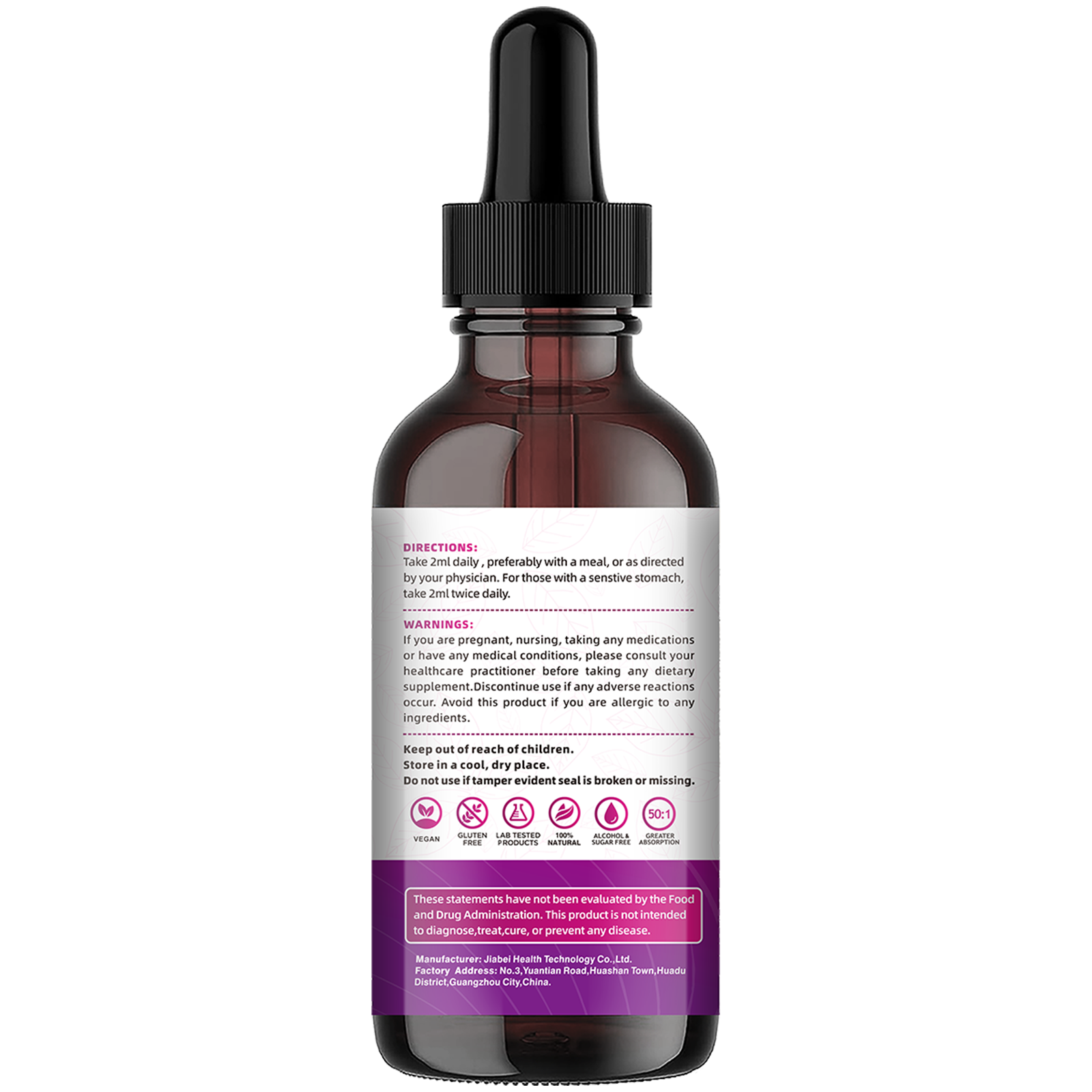
Silymarin represents the active flavanolignan complex found within milk thistle seeds. It presents a notorious solubility challenge for formulators. The scientific reality is harsh. Silymarin exhibits incredibly low water solubility. It also suffers from poor intestinal permeability. These dual factors severely limit how much active compound actually reaches the bloodstream.
Pre-dissolved liquid extracts fundamentally bypass the physical breakdown phase inside the stomach. The active compounds are already suspended in a solution. Carrier solvents play a crucial role in maintaining silymarin's bioavailability here. Formulators typically rely on alcohol or organic vegetable glycerin to keep the heavy flavanolignans dissolved. If the solvent ratio fails, the silymarin simply precipitates out of the liquid. This creates a useless, gritty sludge at the bottom of the bottle.
Solid capsule formats rely entirely on mechanical breakdown in the gut. The stomach acid must dissolve the hypromellose shell. Then, the digestive tract must extract the silymarin powder. Innovative brands often utilize advanced delivery systems to overcome this barrier. For example, phytosome technology binds silymarin to phospholipids. Lipid encapsulation also helps force absorption across the intestinal wall. These advanced powders fit easily into standard capsules.
You must maintain a strictly evidence-oriented stance regarding absorption claims. Neither format inherently guarantees superior cellular uptake on its own. A poorly formulated liquid will perform worse than a highly engineered capsule. Bioavailability depends entirely upon a properly engineered extraction method and a scientifically validated delivery mechanism.
Developing high-quality vegan silymarin milk thistle drops involves complex implementation challenges. Liquid suspensions are inherently unstable environments. The molecules constantly interact. You face critical decisions early in the research and development phase.
Solvent selection is your first major hurdle. Formulators face distinct trade-offs between two primary options. Alcohol-based tinctures offer superior extraction power. They dissolve silymarin easily and extend shelf life naturally. However, alcohol has a harsh, polarizing taste. It also alienates sober consumers and certain religious demographics. Conversely, organic vegetable glycerin is highly vegan-friendly. It provides a thicker, sweeter mouthfeel. The drawback is its potential solubility limit. Glycerin cannot hold as much raw silymarin per milliliter as pure ethanol.
Organoleptics present another massive manufacturing reality. Milk thistle is inherently, aggressively bitter. This earthy astringency easily ruins the consumer experience. You must employ natural, vegan taste-masking strategies. Avoid artificial sweeteners like sucralose. They actively alienate health-conscious, clean-label buyers. Instead, consider using natural citrus terpenes, peppermint oil, or monk fruit extract. These botanical additions mask the bitterness while maintaining a premium, plant-based brand identity.
Standardization in liquids is remarkably difficult. You must maintain and verify exact silymarin concentrations over a 24-month shelf life. A label claiming "50mg per mL" must test accurately on day one and day 700. Liquids are prone to evaporation and compound degradation. Achieving consistent batch-to-batch standardization requires highly specialized mixing equipment and rigorous quality control protocols.
The standard powdered milk thistle supplement remains the undisputed backbone of the botanical industry. Scalability and cost-efficiency drive this continued dominance. Contract manufacturers run encapsulation machines at blinding speeds. They can produce millions of units daily. This efficiency results in drastically lower minimum order quantities for brands. You also benefit from much cheaper packaging options, like lightweight HDPE bottles or simple blister packs.
Dose density strongly favors solid capsules. Powdered extracts are incredibly compact. You can easily pack high-yield standardized extracts into a single Size 0 or Size 00 capsule. A standard Size 0 capsule comfortably holds 300mg of an 80% silymarin extract. Replicating this exact payload in a liquid format often requires the consumer to swallow multiple full droppers. Capsules allow for clinical-strength dosing in a highly convenient package.
Stability and shelf life also lean heavily toward solid doses. Dry powders inherently face far fewer degradation risks. They do not react easily with light, oxygen, or temperature fluctuations. Liquid equivalents oxidize quickly once the consumer opens the bottle. A properly sealed capsule maintains its chemical integrity for years with minimal specialized storage requirements.
Finally, capsules offer an easier path to clean labeling. Modern consumers scrutinize ingredient panels closely. They hate long lists of synthetic excipients. A capsule allows for a beautifully minimal ingredient label. You only need the active botanical extract, perhaps a little organic rice hull powder for flow, and a vegan hypromellose shell. Liquids mandate preservatives, solvents, and flavorings.
Deciding between these two formats requires a strict commercial decision framework. You must evaluate features directly against their business outcomes. Let us examine the crucial evaluation dimensions.
Unit cost versus retail price dictates your cash flow. Liquid droppers and heavy glass bottles cost more to manufacture. They also cost significantly more to ship due to weight and fragility. Breakages during transit eat into your profit margins. However, premium liquid tinctures often support a 30-50% higher manufacturer's suggested retail price. Consumers expect to pay more for a heavy, glass dropper bottle than a plastic tub of pills.
Supply chain security is another critical dimension. Sourcing raw bulk milk thistle powder is highly commoditized. The global supply is incredibly stable. Sourcing premium, standardized liquid extracts requires highly specialized contract manufacturers. If your liquid supplier faces a bottleneck, finding a replacement facility takes months.
Here is a simplified comparison to aid your commercial strategy planning.
Business Dimension | Solid Capsules | Liquid Drops |
|---|---|---|
Manufacturing Cost | Low to Medium | High |
Minimum Order Quantity | Generally Low | Usually High |
Consumer Price Point | Standard Market Rate | Premium Pricing |
Supply Chain Risk | Very Low | Moderate |
Dose Capacity | High Density (300mg+) | Low Density per serving |
Apply this shortlisting logic to your brand. Choose capsules if your strategy relies on volume, price competitiveness, and high-dose clinical claims. Choose drops if your strategy targets the premium lifestyle sector, prioritizes sensory experience, and can absorb higher initial R&D costs.
Marketing liver health products requires extreme caution. You must responsibly market either format within strict regulatory boundaries. The FTC and FDA heavily scrutinize botanical supplements targeting organ function. You must meticulously avoid implied disease-treatment language. Never claim your product will "detoxify a damaged liver." Never promise to cure cirrhosis, hepatitis, or a hangover. Instead, use compliant structure/function claims. Acceptable phrasing includes "supports healthy liver function" or "promotes natural cellular antioxidant defenses."
Label transparency is absolutely vital for consumer trust. You must clearly denote the equivalent botanical weight versus the actual extract yield. This distinction gets especially tricky on liquid supplement facts panels. Some brands deceptively list the fresh herb weight. They hide the fact that the actual silymarin yield is virtually zero. You must transparently list the solvent ratio, the total milligrams per serving, and the exact percentage of standardized silymarin.
Third-party testing builds unquestionable brand authority. Emphasize the necessity of independent lab assays in your marketing. You should publish certificates of analysis directly on your website. These tests must screen for heavy metals, pesticides, and residual solvents. More importantly, utilize High-Performance Liquid Chromatography (HPLC) testing to verify exact silymarin percentages. Proving your liquid drops or solid capsules actually contain the stated dose separates your brand from cheap, ineffective competitors.
The ultimate choice between milk thistle drops and capsules hinges directly on your brand's target demographic. It also depends on your operational tolerance for formulation complexity. Capsules offer safe, scalable, and high-potency delivery with excellent profit margins. Liquid drops offer distinct market differentiation, appealing strongly to premium buyers actively seeking alternative formats.
To move forward successfully, take these action-oriented next steps:
Request physical samples of both liquid and solid formats from your contract manufacturer.
Conduct a rapid cost-of-goods-sold analysis factoring in shipping weights and breakage rates.
Review 24-month stability data for any liquid formula before committing to a full production run.
Determine exactly which structure/function claims your legal team will approve for your specific dosage.
A: Yes, liquids bypass the 20-30 minute mechanical breakdown required for capsules, entering the system faster. However, overall bioavailability still depends heavily on the silymarin's chemical solubility and extract quality. A poorly formulated liquid will not absorb effectively.
A: Liquid standardization requires precise calibration of the raw botanical-to-solvent ratio, such as 1:3 or 1:4. Manufacturers must utilize high-performance liquid chromatography (HPLC) testing. This advanced testing verifies exact milligram per milliliter yields consistently across different production batches.
A: Yes, by utilizing organic vegetable glycerin and purified water as the primary extraction solvents. Formulators must carefully monitor the exact saturation point of silymarin in the glycerin. This monitoring prevents the active compounds from crystallizing or precipitating out over time.
A: Capsules typically maintain excellent chemical stability for 24-36 months. Liquid drops generally have a much shorter shelf life, usually 12-24 months. Liquids are inherently more susceptible to rapid oxidation and light degradation if not packaged in protective amber or opaque glass.

 +86 18802062544