
Views: 0 Author: Site Editor Publish Time: 2026-07-06 Origin: Site


Launching a liquid herbal extract requires balancing formulation efficacy and strict regulatory compliance. B2B buyers and brand owners must move carefully from concept to a shelf-ready product. This process demands a critical evaluation of raw material sourcing and manufacturing standards. Formulating and packaging liquid extracts involves unique stability, dosing, and labeling challenges compared to dry capsules or pressed tablets.
Your ultimate success depends on selecting a manufacturing partner capable of delivering standardized extracts while successfully navigating strict FDA packaging mandates. This guide breaks down the formulation standards, label compliance requirements, and vendor evaluation criteria necessary to launch a competitive liquid liver support product. You will learn how to verify vegan ingredient claims, design compliant small-format labels, and manage unit economics effectively for long-term profitability.
Formulation Integrity: A viable liquid product requires standardized extracts (typically 80% silymarin) suspended in a stable, fully plant-derived carrier base.
Label Compliance: Small-format liquid bottles demand precise design architecture to meet FDA Supplement Facts guidelines and clearly display FDA disclaimers.
Risk Mitigation: Vetting manufacturers based on GMP certification, transparent Certificates of Analysis (CoAs), and specific experience with liquid tinctures is critical to avoiding product recalls or inventory delays.
Go-to-Market Strategy: Balancing Minimum Order Quantities (MOQs) with unit economics dictates whether to utilize a stock white-label formula or invest in a custom formulation.
Defining the active compound represents the foundational step of any successful botanical product. Whole milk thistle herb differs vastly from standardized silymarin. Utilizing whole herb powder in a liquid format often results in inconsistent dosing and poor solubility. You must guarantee specific silymarin percentages—typically standardized to 80% via High-Performance Liquid Chromatography (HPLC). This rigorous standardization ensures product efficacy, provides predictable therapeutic support, and builds lasting market credibility.
Choosing the right liquid carrier directly impacts your product viability and target demographic. You must evaluate various solvent and carrier options during the research phase. Alcohol-based tinctures offer powerful extraction properties and long shelf lives. However, they alienate consumers seeking alcohol-free health routines. Conversely, alcohol-free alternatives utilizing vegetable glycerin provide broader market appeal. Glycerin acts as a highly effective solvent while imparting a natural sweetness. This makes the final product more palatable for daily use.
Bioavailability requires careful consideration when developing a silymarin supplement. Liquid delivery formats typically boast faster absorption rates compared to traditional compressed powders or softgels. The liquid suspension bypasses the initial breakdown phase required by solid capsules in the digestive tract. Consumers also strongly prefer liquids for easy, adjustable dosing. They can easily modify their intake drop by drop depending on their specific dietary needs.
Flavor and stability remain persistent challenges when working with botanical extracts. Milk thistle inherently carries a sharp, bitter taste profile. You must address this bitterness without cluttering the ingredient panel with artificial additives. Natural, plant-based masking agents—such as monk fruit extract, organic peppermint oil, or citrus derivatives—provide excellent flavor-masking properties. They maintain a clean label and do not compromise the long-term shelf stability of the herbal suspension.
Carrier Type | Extraction Efficiency | Taste Profile | Market Appeal | Shelf Life |
|---|---|---|---|---|
Alcohol (Ethanol) | Very High | Harsh, medicinal, sharp | Niche (traditional herbalists) | 3-5 years |
Vegetable Glycerin | Moderate to High | Sweet, smooth, pleasant | Broad (families, alcohol-averse) | 18-24 months |
An exhaustive audit of carrier ingredients forms the backbone of any legitimate plant-based product. You must verify the glycerin or suspension liquid utilized in your formula is strictly vegetable-derived. High-quality manufacturers typically source vegan glycerin from palm, soy, or coconut oils through a hydrolysis process. You must require strict documentation proving the absence of animal fats (tallow), which occasionally infiltrate lower-grade commercial glycerin supplies. This prevents accidental animal byproduct inclusion.
Facility cross-contamination risks pose a massive threat to plant-based claims. It is not enough to source pure ingredients. You must partner with a manufacturer that actively protects your product during the blending and bottling phases. Ideally, your partner utilizes dedicated liquid lines for plant-based formulations. If dedicated lines remain unavailable, they must implement rigorous clean-down Standard Operating Procedures (SOPs). These protocols should include ATP swabbing and allergen testing between production runs to protect your vegan integrity.
Navigating certification roadmaps requires advanced planning. Formal third-party vegan certification involves intense scrutiny of your entire supply chain. A reliable manufacturer’s documentation acts as your primary defense. They must supply comprehensive Certificates of Analysis (CoAs) and raw material specification sheets supporting this process.
Ingredient Origin Statements: Verifies the botanical source of every raw material.
Flow Charts: Demonstrates the manufacturing steps, proving no animal-based processing aids were used.
Non-Animal Testing Declarations: Confirms the finished formula was never tested on animals.
Aligning with your target audience maximizes the return on these compliance efforts. Framing the business value of vegan silymarin milk thistle drops is crucial for modern retail. This specific claim allows you to access premium market segments. These educated buyers heavily scrutinize ingredient sourcing, demand supply chain transparency, and willingly pay premium retail prices for verified plant-based formulations.
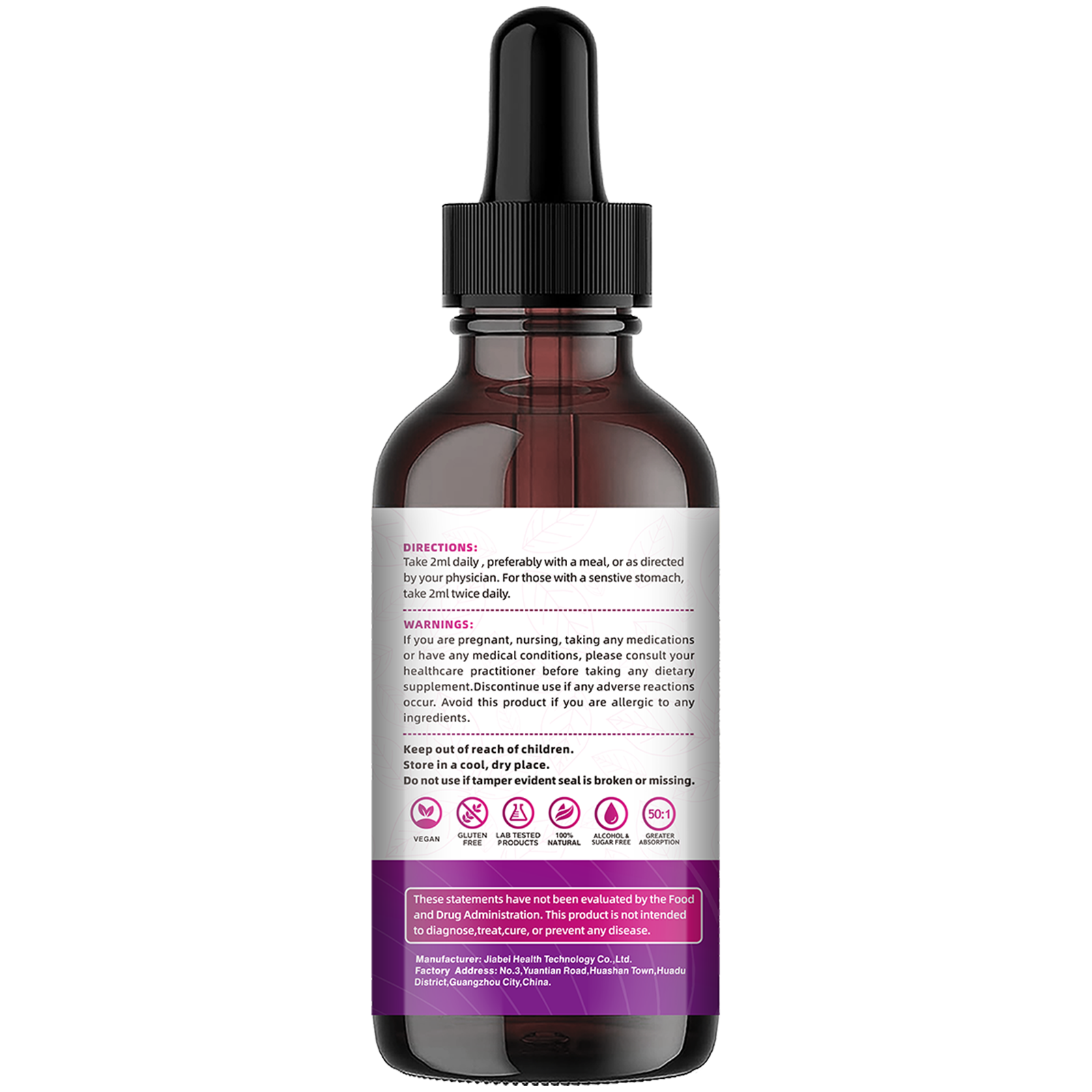
Navigating small-format packaging presents distinct spatial and design limitations. Standard 1oz (30mL) or 2oz (60mL) tincture bottles offer extremely limited surface area. You need clear strategies for fitting mandatory regulatory text alongside your brand assets. Utilizing peel-back labels or selecting vertical typography can help accommodate required text. Careful design architecture prevents visual clutter and ensures consumers can easily read crucial dietary information.
Meeting FDA Supplement Facts panel requirements remains completely non-negotiable for liquid dietary supplements. The FDA mandates specific font sizes, bolding, and hairline border thicknesses under 21 CFR 101.36. You must declare accurate serving sizes plainly. Using descriptors like "1 mL dropper" or "30 drops" provides clarity. You must also list accurate servings per container and properly declare your standardized extract yields within the panel.
Identity Statement: The principal display panel must identify the product as a "Dietary Supplement" or "Herbal Supplement".
Net Quantity of Contents: Must be displayed in both fluid ounces and milliliters prominently on the front panel.
Ingredient Declaration: All inactive ingredients (like glycerin, purified water, or natural flavors) must be listed below the Supplement Facts panel in descending order of predominance.
Balancing structure/function claims against disease claims requires careful copywriting. You must show the difference between permissible claims and high-risk language. Permissible claims include phrases like "Supports healthy liver function" or "Promotes natural detoxification pathways." High-risk disease claims, such as "Cures liver toxicity" or "Treats hepatitis," violate strict FDA regulations. Using disease claims on private label drops immediately risks regulatory warning letters and product seizures.
You must ensure the inclusion of mandatory disclaimers across all marketing and packaging. The standard FDA disclaimer stating that the product is not intended to diagnose, treat, cure, or prevent any disease must appear directly linked to any structure/function claim. Furthermore, integrate necessary warning statements advising pregnant or nursing individuals to consult a physician. Always include a prominent "keep out of reach of children" statement.
Establishing baseline requirements for manufacturing partners protects your brand reputation and capital. You must demand Current Good Manufacturing Practices (cGMP) certification. Independent auditors should verify this compliance against 21 CFR Part 111 standards. Furthermore, verify the facility holds an active FDA registration. Request their most recent audit summary to ensure they maintain exceptional operational hygiene and strict record-keeping habits.
Liquid manufacturing capabilities differ significantly from powder or capsule operations. You must differentiate between general supplement manufacturers and those possessing specialized liquid infrastructure. Dedicated facilities utilize advanced liquid filling, inline capping, and induction sealing equipment. This specialized machinery prevents oxidation during the fill process, ensures exact dosing per bottle, and creates tamper-evident seals critical for retail distribution.
Defining expectations for quality assurance and testing prevents disastrous product recalls. You must demand raw material identity testing via FTIR or HPLC before blending begins. Following production, require comprehensive heavy metal and microbial screening reports. Skepticism is a powerful tool here: never accept a supplier that refuses third-party testing transparency or hesitates to provide a verifiable final product CoA.
You need a logical framework for evaluating Minimum Order Quantities (MOQs) against your initial budget constraints. Early-stage brands often struggle with volume commitments. You must compare the upfront costs of custom formulations against utilizing pre-formulated stock options.
Evaluation Metric | Custom Formulation | Stock White-Label Formula |
|---|---|---|
Upfront R&D Cost | High (Formulation, sampling fees) | None (Ready-made formula) |
Minimum Order Quantity | Typically 2,500 to 5,000+ units | As low as 250 to 500 units |
Lead Time to Launch | 12 to 16 weeks | 4 to 6 weeks |
Market Exclusivity | Complete formula ownership | Shared formula across other brands |
Understanding the unit economics of liquid drops enables accurate retail pricing. You must break down the specific cost variables impacting your bottom line. Raw material standardization directly drives the base cost—an 80% silymarin extract costs significantly more than bulk seed powder. Packaging also heavily influences price. Glass bottles provide a premium weight and aesthetic but increase shipping costs. PET plastic lowers freight weight but may diminish perceived brand value.
Dropper style choices further impact your unit economics. Graduated pipettes feature precise measurement markings etched into the glass. They cost slightly more than standard unmarked pipettes but dramatically improve consumer dosing accuracy and satisfaction. Custom label printing techniques, such as spot UV finishing or metallic foiling, add another layer of expense to your final unit cost.
Setting realistic lead time expectations keeps your B2B procurement process on track. You must factor in multiple variables before launching. R&D and sampling iterations for custom formulations often take four weeks alone. Compliance reviews for label artwork require diligent attention. Raw material lead times fluctuate based on global supply chains. Once materials arrive, final production, bottling, and quarantine testing typically consume another four to six weeks.
Implementing smart inventory risk management protects your early-stage cash flow. We advise utilizing conservative initial rollouts to test market demand. Launching with a smaller batch allows you to gather real-world customer feedback on taste and efficacy. You can optimize the flavor profile or tweak label design on the second run. Secure consumer validation before committing capital to massive, high-volume production runs.
A successful launch of vegan silymarin milk thistle drops relies completely on the intersection of high-quality formulation, rigorous compliance, and a capable manufacturing partner. Navigating liquid extraction, precise label constraints, and strict vegan auditing demands a methodical approach. By prioritizing 80% standardized extracts and ensuring meticulous GMP compliance, you position your brand as a trustworthy authority in the liver support market.
To move from concept to commercialization, take these actionable next steps:
Request standard formula samples from vetted manufacturers to evaluate taste, viscosity, and carrier quality firsthand.
Secure baseline pricing and MOQ sheets to accurately model your unit economics and profit margins.
Review a prospective partner’s GMP documentation, ISO certifications, and example CoAs before signing any manufacturing agreement.
Submit your preliminary label designs to a regulatory compliance expert to verify FDA Supplement Facts formatting and structural claims.
A: Typical stability timelines range from 18 to 24 months from the date of manufacture. The choice of carrier heavily impacts this expiration dating. Alcohol-based tinctures can last up to five years due to alcohol's potent preservative qualities. Vegetable glycerin bases usually maintain stability for up to two years when stored properly away from direct heat and sunlight.
A: Yes, but this often shifts the project from a white-label purchase into a custom formulation. Off-the-shelf white labeling utilizes pre-bottled or ready-to-bottle inventory with zero formula changes. Adding natural flavors or masking agents requires new blending runs. These minor formulation tweaks typically trigger higher Minimum Order Quantities (MOQs) and extend lead times for R&D sampling.
A: You must source graduated glass pipettes featuring clear measurement markings (e.g., 0.5 mL, 1.0 mL). Furthermore, require your manufacturer to calibrate the specific formula's viscosity to the dropper's draw capacity. Thicker glycerin-based liquids behave differently inside a pipette than water-based extracts, requiring precise matching between the fluid dynamics and the dropper bulb strength.
A: You must collect a comprehensive document package from your manufacturer. This includes ingredient specification sheets confirming plant origins, comprehensive allergen statements, and statements of origin for all components (including the glycerin carrier). Additionally, request their internal SOPs demonstrating strict clean-down procedures that prevent cross-contamination with any animal-derived ingredients processed in the same facility.

 +86 18802062544