
Views: 0 Author: Site Editor Publish Time: 2026-07-10 Origin: Site


Soursop, widely known as Graviola, is rapidly transitioning from a niche botanical to a highly sought-after functional ingredient. Modern consumers consistently demand convenience in their wellness routines. This drives a noticeable market shift away from traditional bitter teas and bulky capsules. Brands looking to capture this trend face a critical choice. They must decide between liquid tinctures and chewables. Choosing the wrong delivery method carries serious risk. It can trigger severe margin erosion. You might face unexpected formulation instability. It could also misalign your product from target buyers. We designed this guide to evaluate the manufacturing realities, bioavailability, and commercial viability of soursop drops against chewable formats. Examining consumer habits and production constraints provides immediate clarity. You will gain the exact insights needed to make a data-backed product roadmap decision.
Bioavailability vs. Palatability: Soursop drops offer faster absorption and a cleaner label, appealing to health purists; gummies offer superior taste and mass-market appeal but present formulation challenges.
Formulation Stability: The heat required to manufacture gummies can degrade the delicate active compounds (acetogenins) in soursop, whereas liquid extraction preserves them more effectively.
Time-to-Market: Tinctures generally require lower Minimum Order Quantities (MOQs) and shorter R&D cycles compared to custom gummy formulations.
Compliance Reality: Both formats require strict FDA-compliant labeling, specifically avoiding prohibited disease-cure claims often improperly associated with soursop.
Liquid supplements dominate the clinical-grade wellness sector for several critical reasons. The primary advantage of a liquid extract lies in its delivery mechanism. Users place liquid directly under the tongue. This allows active phytochemicals to absorb directly into the mucosal tissue. Sublingual administration successfully bypasses first-pass metabolism in the liver. Bypassing the liver prevents the premature breakdown of delicate botanical compounds. Users absorb a significantly higher percentage of active ingredients compared to digestion-dependent formats. Faster absorption rates often translate to a stronger perceived benefit for the end user.
Clean labels represent another massive advantage for liquid formats. You can formulate tinctures using a remarkably minimal ingredient deck. A standard formula requires only the botanical extract, a carrier like organic vegetable glycerin, and natural flavoring. This streamlined approach aligns perfectly with the core demographic purchasing herbal drops. These informed consumers aggressively scrutinize labels. They actively avoid artificial binders, synthetic colors, and refined sugars. Offering a pure, unadulterated product builds immediate brand trust.
Manufacturing economics heavily favor liquid tinctures during initial product launches. Co-packers generally offer much lower Minimum Order Quantities (MOQs) for liquids. Lower MOQs allow brands to conduct affordable pilot runs and market testing. You also face less complex organoleptic R&D. Creating a stable liquid extract costs less than developing a custom pectin base. You avoid lengthy stability testing required for chewable textures.
However, you must manage specific commercial risks. The natural taste profile of Graviola can be earthy, grassy, or slightly bitter. Palatability remains a hurdle for mainstream adoption. Brands must utilize precise natural flavoring to mask this bitterness. You must balance clinical efficacy against the daily user experience. A highly potent product will fail if consumers refuse to take it daily.
Use organic vegetable glycerin instead of alcohol to appeal to a broader audience.
Implement cold-extraction methods to protect heat-sensitive plant compounds.
Conduct split-testing on flavor profiles using small focus groups before scaling.
The wellness industry currently faces a widespread phenomenon known as "pill fatigue." Consumers feel overwhelmed by daily regimens requiring handfuls of capsules. Brands solve this friction by offering alternative chewable formats. Current market data shows a massive consumer preference for gummy supplements. Chewables transform a mundane daily health task into an experiential habit. This enjoyable experience directly drives higher retention rates. Consumers remember to take them daily. This consistency naturally leads to higher monthly subscription renewals.
Despite obvious commercial appeal, manufacturing chewables presents significant formulation challenges. You must view this format through a highly skeptical, science-first lens. The primary concern involves heat degradation. Traditional manufacturing requires boiling pectin or gelatin bases at extreme temperatures. Soursop contains heat-sensitive antioxidants and delicate active compounds called acetogenins. Exposing these extracts to prolonged high heat risks destroying the primary therapeutic elements. You could easily end up selling an expensive, ineffective candy.
Payload limitations present another critical hurdle. Gummies physically hold fewer milligrams of active botanical extract per serving. A standard liquid dropper easily delivers 500mg to 1000mg of concentrated extract. A standard chewable piece might only hold 50mg to 100mg before the texture collapses. Brands must recommend excessively large serving sizes to match liquid potency. This quickly increases the cost per serving for the consumer.
You must clearly define your target demographic. This format best suits lifestyle-focused consumers. These buyers want approachable entry points into the herbal supplement space. They prioritize taste and convenience over maximum clinical potency. Traditional botanical purists will likely reject chewable formats due to added sugars and lower dosage limits.
Failing to account for active ingredient loss during the boiling phase.
Using cheap fruit powders instead of standardized leaf extracts.
Overloading the formula, resulting in sticky, unchewable textures.
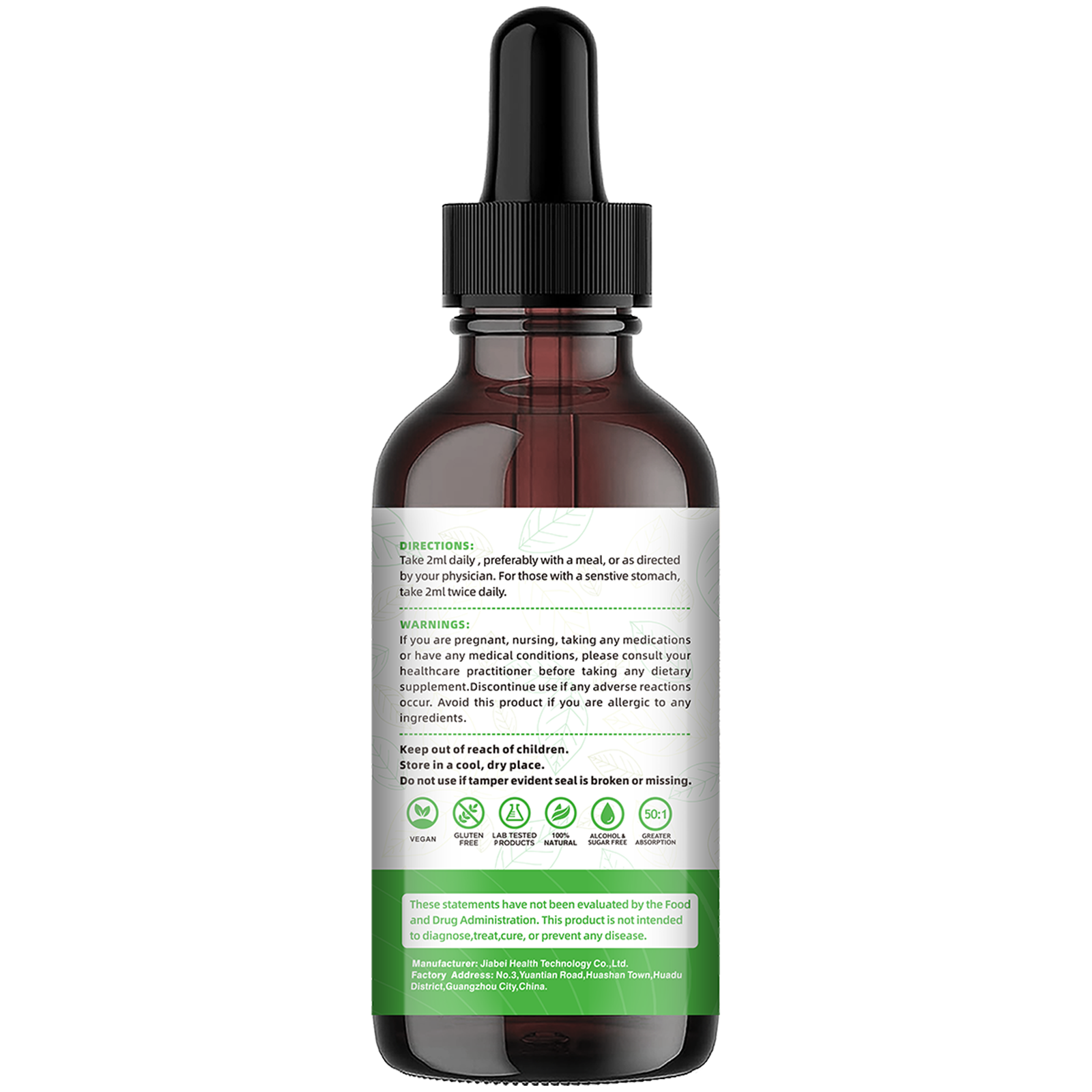
Comparing these two formats requires a holistic view of operations. You must evaluate supply chain logistics, product stability, and legal compliance. Ignoring any of these dimensions can derail a successful product launch.
Liquid tinctures typically command a higher perceived value per ounce. Consumers view glass dropper bottles as premium apothecary items. Packaging and shipping liquids cost less overall. Standard glass or PET bottles fit easily into standardized shipping mailers. Standard liquid filling lines operate with incredible speed and scalability. This keeps unit costs low as your brand grows.
Chewables present completely different logistical challenges. They incur much higher shipping costs due to added product weight and volume. You also face severe seasonal risks. Summer transit often causes chewables to melt inside delivery trucks. Brands must invest in cold-pack shipping materials during warmer months. Furthermore, masking botanical bitterness in a chewable format requires expensive masking agents. This drives up initial R&D costs significantly.
Product stability dictates your inventory turnover strategy. Liquid formulas face the primary risk of oxidation. Exposing the extract to air or direct sunlight degrades the active phytochemicals. You must mitigate this by using UV-protective amber or cobalt glass. Proper sealing ensures a stable 24-month shelf life. Liquids do not dry out or change texture over time.
Chewables battle constant moisture-related issues. They absorb ambient humidity or lose internal moisture over time. A poorly formulated batch might harden into an unchewable rock within six months. Alternatively, excess moisture causes pieces to stick together in one massive clump. Maintaining a reliable 12-to-24-month shelf life requires precise water activity control during manufacturing.
The FDA strictly monitors botanical supplement claims. You must exercise extreme caution regarding disease-cure claims. Graviola historically suffers from aggressive, unverified medical claims online. Brands must strictly adhere to structural and functional claims. You can state the product "supports cellular health" or "promotes immune function." You cannot claim it cures or treats any specific disease. Both formats carry the exact same regulatory burden. Misbranded labels will trigger costly recalls regardless of the delivery mechanism.
Supply Chain Comparison Chart
Evaluation Metric | Liquid Tinctures | Chewable Formats |
|---|---|---|
Manufacturing MOQ | Generally low (500 - 1,000 units) | Generally high (50,000+ units) |
R&D Complexity | Low (Focus on flavor balancing) | High (Focus on texture and heat stability) |
Shipping Logistics | Standard shipping year-round | Requires cold-shipping in summer |
Payload Capacity | High (500mg+ per dropper) | Low (50mg - 100mg per piece) |
Successfully launching a botanical product requires deep visibility into your supply chain. You cannot simply trust marketing brochures from contract manufacturers. You must actively verify raw material integrity and production protocols.
Raw material sourcing represents your first major hurdle. You must verify the exact source of the Graviola. The most potent active compounds reside in the leaves of the plant. High-quality liquid extracts primarily utilize concentrated leaf extracts. Conversely, many entry-level chewables rely on cheap fruit powders. Fruit powders provide excellent flavor but sacrifice immense therapeutic value. You must specify leaf-derived extracts when formulating for efficacy.
Choosing the right Contract Manufacturing Organization (CMO) dictates your ultimate success. You must interrogate their specific production methods. Do not accept vague answers regarding extraction or infusion techniques. You need a partner who understands the fragile nature of phytochemicals.
Ask these critical questions during your CMO vetting process:
Do you utilize an alcohol-based or vegetable glycerin-based extraction process for liquids?
What is your exact protocol for cold-pressing or low-heat extraction?
Do you perform post-cook botanical infusion to protect active compounds from boiling temperatures?
Can you provide third-party assay testing showing active acetogenins survive your manufacturing line?
What specific natural masking agents do you recommend to offset botanical bitterness?
Securing clear answers to these five questions prevents costly formulation failures. A qualified CMO will provide transparent documentation without hesitation. If a facility refuses to share their stability testing protocols, you should immediately walk away.
Deciding between these two formats does not require guesswork. You must align the product with your existing customer base, available capital, and brand identity. Use the following logic gates to finalize your strategy.
Launch Soursop Drops If:
Your current customer base consists of dedicated biohackers, traditional wellness advocates, or purists.
You need a much faster time-to-market and possess limited upfront capital for initial inventory.
You want to position the item as a premium, highly potent, clinical-grade wellness solution.
Your marketing strategy relies heavily on highlighting maximum bioavailability and rapid absorption.
You prefer to avoid the logistical headaches associated with summer melting risks and cold-chain shipping.
Launch Chewable Formats If:
You are targeting big-box retail shelves or a mass-market, casual Amazon consumer base.
Your brand identity relies heavily on approachable, fun, and highly flavor-forward daily routines.
You have substantial budget reserves to invest in advanced masking agents and high-MOQ production runs.
You have secured a CMO capable of utilizing cold-pressed technology to preserve delicate active ingredients.
Your primary business metric focuses on driving high-retention monthly subscription models through experiential habit-building.
The botanical supplement market demands both efficacy and user convenience. Chewable formats easily win on mass appeal and habit-forming taste. However, liquid extracts currently hold a massive advantage in botanical integrity. They offer superior bioavailability and protect brand margins during early growth stages. They allow you to deliver maximum therapeutic value without fighting severe payload limitations. You must evaluate your specific target audience before committing capital.
Your immediate next step requires decisive action. Contact three qualified contract manufacturers today. Advise your product managers to request third-party Certificates of Analysis (COAs) for both liquid and chewable samples. You must verify that active acetogenins successfully survive their specific manufacturing process. Do not sign a purchase order until you have analytical proof of potency.
A: Yes. Liquid formats allow for sublingual absorption when placed under the tongue. This mechanism bypasses gastric breakdown and first-pass liver metabolism. The body absorbs a higher percentage of active phytochemicals directly into the bloodstream. Chewables must endure harsh stomach acids, which inevitably degrades some active ingredients before they reach systemic circulation.
A: It is incredibly difficult. Chewables suffer from strict payload limits. Adding too much concentrated botanical extract ruins the pectin matrix. The piece will not set properly. Achieving high-potency doses typically requires consumers to eat an impractically large serving size daily.
A: Liquids housed in UV-protective amber glass typically maintain stability for up to 24 months. They do not suffer from moisture loss. Chewables generally carry a 12-to-18-month shelf life. They face constant risks of drying out, hardening, or melting during transit.
A: You should avoid refined sugars entirely. Utilize natural masking agents like pure monk fruit extract. Citrus profiles, such as lemon or orange oil, excel at cutting through botanical bitterness. Natural berry blends also help neutralize earthy undertones while maintaining a clean, organic label.

 +86 18802062544