
Views: 0 Author: Site Editor Publish Time: 2026-07-12 Origin: Site


The market demand for liver support products is surging globally. This rapid growth positions TUDCA (Tauroursodeoxycholic acid) as a highly sought-after premium ingredient. While the market opportunity is remarkably clear, the delivery format dictates production costs, shelf-life stability, and consumer adoption. Formulators face significant hurdles because raw TUDCA possesses notoriously challenging organoleptic properties. Its extreme bitterness and distinct sulfurous odor heavily complicate the manufacturing process.
To successfully launch a TUDCA supplement, brands must strategically weigh the manufacturing realities of various delivery methods. You have to balance the specific traits of capsules, tablets, and custom formats against the expectations of an increasingly label-conscious consumer base. We will explore how each format impacts formulation, cost, and overall market positioning. This guide gives product developers the insights needed to choose the most effective delivery vehicle for their target audience.
Consumer Preference: TUDCA capsules are currently the market standard, favored for masking bitterness and allowing for "clean label" formulations without heavy excipients.
Cost vs. Capacity: Tablets offer high-dosage efficiency and scalability but require binders that may alienate strict health-conscious demographics.
Differentiation: A custom liver supplement (powders or liquid blends) allows for unique synergistic formulas but demands advanced flavor-masking technologies.
Partner Selection: Success hinges on choosing a contract manufacturer capable of stringent third-party testing to verify raw TUDCA purity and manage its hygroscopic (moisture-absorbing) nature.
Choosing the right delivery format involves much more than aesthetic preference. Raw TUDCA is a bile acid. It naturally carries an intensely bitter flavor profile and a noticeable sulfur-like scent. When consumers open a bottle, a strong odor can immediately deter them. When they ingest the product, any lingering bitterness on the palate can ruin the user experience. The delivery format acts as a critical protective barrier. It effectively shields the raw active pharmaceutical ingredient (API) from the consumer's taste buds and olfactory receptors.
Beyond sensory masking, we must consider bioavailability and breakdown dynamics. The chosen format directly impacts gastric dissolution times. TUDCA requires proper transit through the highly acidic environment of the stomach to reach the intestines. Once it reaches the intestinal tract, the body absorbs it to support liver and biliary health. A poorly constructed delivery mechanism might release the active ingredients too early or fail to dissolve completely. Both scenarios drastically reduce the product's clinical efficacy.
Finally, modern brands face the growing "clean label" mandate. Premium health product consumers actively scrutinize ingredient lists. They express deep skepticism toward unnecessary fillers, artificial colors, and synthetic binders. When formulating a liver support product, using chemical excipients feels counterintuitive to the end-user. They want pure, unadulterated ingredients. Understanding this mindset is crucial when deciding between encapsulation, compression, or blending.
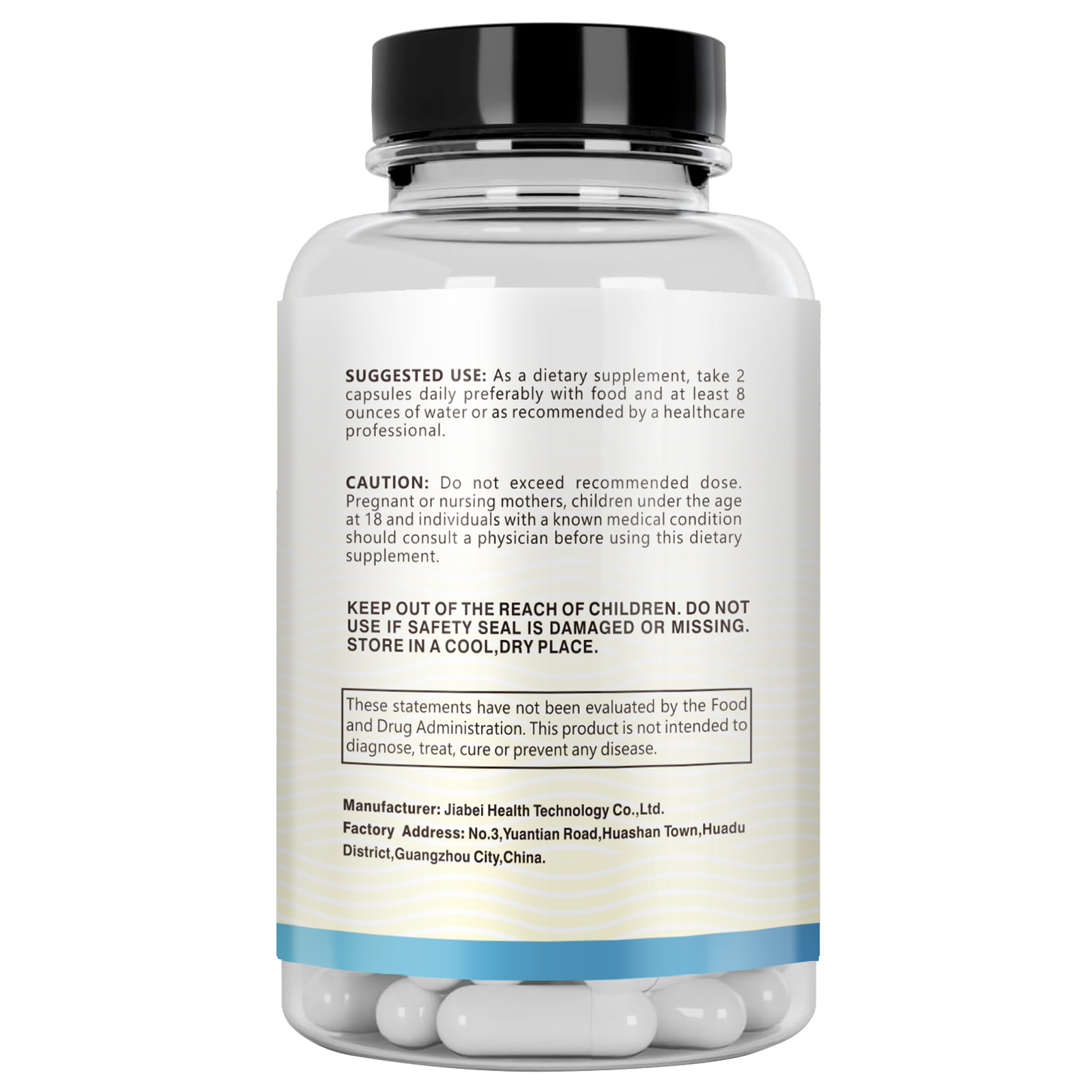
In the current dietary supplement landscape, TUDCA capsules reign supreme. Two-piece hard capsules completely bypass the taste and odor hurdles. Formulators typically use either traditional bovine gelatin or vegan HPMC (hydroxypropyl methylcellulose) shells. These shells lock the pungent raw powder securely inside. Consumers swallow the capsule whole, experiencing absolutely no bitterness. This seamless user experience drives high retention and subscription renewal rates.
Capsules shine brightest regarding clean label viability. You can manufacture them requiring minimal to zero flow agents. Traditional tablet manufacturing relies heavily on magnesium stearate or silicon dioxide to prevent machinery jams. Capsule filling machines, conversely, can often handle pure TUDCA powder if the environment remains strictly climate-controlled. This satisfies biohackers, functional medicine practitioners, and health purists who demand maximum purity.
However, capsules present distinct formulation constraints. We must respect spatial limitations. A standard Size 0 capsule comfortably holds around 400mg to 500mg of powder, depending on the ingredient's bulk density. TUDCA usually requires daily doses ranging from 250mg to 500mg per serving. If a brand wants to offer a clinical 1000mg dose, consumers must swallow multiple Size 0 or Size 00 capsules. This can induce pill fatigue.
Despite spatial limits, capsules hold a premium market positioning. They fit perfectly into higher pricing tiers. Educated consumers willingly pay higher retail prices for clean, encapsulated products. They value absolute purity over bulk per-unit cost.
Tablets provide a completely different set of manufacturing advantages. The primary benefit lies in compression power. Tablet presses apply immense physical force to fuse raw powders together. This compression allows tablets to pack significantly more raw TUDCA into a single serving compared to standard capsules. If your target demographic requires clinical-level dosages, tablets drastically reduce the daily pill burden.
From a business perspective, tablets offer compelling manufacturing economics. Once the initial formulation is locked in, high-speed rotary presses can produce hundreds of thousands of tablets per hour. This scalability significantly lowers the cost per unit at high manufacturing volumes. For brands targeting mass-market retail or budget-conscious consumers, tablets provide a highly competitive margin structure.
Yet, this scalability requires an excipient trade-off. To create a durable tablet, formulators must introduce several non-active ingredients. You need binders (like microcrystalline cellulose) to hold the powder together. You need lubricants to prevent the mixture from sticking to the metal punch tooling. Finally, you need a robust film coating to mask the inherent bitter taste and lock in the odor. Without a high-quality polymer coating, a TUDCA tablet would be unpalatable.
This reality introduces a notable risk factor. Highly educated consumers actively read and critique tablet ingredient lists. Heavy use of synthetic excipients, artificial food glazes, or unnecessary coloring agents can severely damage brand trust. If you choose the tablet route, you must work closely with your manufacturer to source natural, clean-label binders and coatings to mitigate consumer backlash.
Many brands step away from standalone products to pursue market differentiation. Developing a multi-ingredient custom liver supplement presents a lucrative opportunity. By combining TUDCA with synergistic ingredients like NAC (N-Acetyl Cysteine), Milk Thistle extract, or L-Glutathione, brands create comprehensive wellness protocols. This strategy elevates the product from a basic commodity to a proprietary, high-value solution.
Transitioning into powder formats or drink mixes introduces steep challenges. Formulating a palatable powdered drink mix containing bile acids is notoriously difficult. The severe flavor-masking required to hide the bitterness tests the limits of food science. Basic natural flavors and sweeteners rarely suffice. The bitterness easily punches through standard masking agents.
To overcome this, expert formulators utilize advanced solutions. Microencapsulation technology coats the individual API particles in a microscopic lipid or polymer layer. This prevents the bitter molecules from interacting directly with the taste buds during consumption. Alternatively, formulators deploy robust, multi-layered natural flavoring systems designed specifically to block bitter receptors.
This complex development process caters to a very specific target audience. Drinkable formats perfectly suit brands targeting athletes, bodybuilders, or consumers suffering from severe pill fatigue. These demographics prefer complex, all-in-one health protocols they can mix into their morning water or post-workout shakes. The convenience of a single scoop far outweighs the potential flavor compromises.
Below is a comparative breakdown of delivery formats to guide formulation decisions.
Delivery Format | Production Cost | Dosage Capacity | Clean Label Viability | Taste Masking |
|---|---|---|---|---|
Hard Capsules | Medium to High | Low to Medium (250-500mg) | Excellent | Complete Masking |
Compressed Tablets | Low (at scale) | High (up to 1000mg+) | Poor to Fair | Requires Heavy Coating |
Powder Blends | High (due to flavoring) | Very High | Fair | Requires Microencapsulation |
Sourcing raw material represents the foundation of your product. You must emphasize the importance of verifying synthetic versus animal-derived origins. Historically, practitioners sourced bile acids from bears, raising severe ethical and sanitary concerns. Today, reputable facilities synthesize most commercial TUDCA in highly controlled laboratories. Synthetic sourcing ensures absolute ethical compliance, superior purity, and a far more consistent molecular profile.
Formulators must also account for extreme moisture sensitivity. TUDCA is highly hygroscopic. It aggressively absorbs moisture from the surrounding air. This characteristic deeply impacts packaging decisions. If exposed to humidity, the powder clumps, degrading stability and accelerating expiration. You must utilize protective packaging strategies. Desiccants inside the bottle are non-negotiable. Some brands opt for individual blister packs to ensure each dose remains sealed until the exact moment of consumption. High-density polyethylene (HDPE) or amber glass bottles provide excellent moisture barriers.
Regulatory and labeling realities form the final pillar of this framework. The FDA and FTC strictly monitor dietary supplements. You must ensure transparent labeling and exact dosage claims. A common mistake brands make involves aggressive marketing language. You must absolutely avoid non-compliant medical claims regarding liver disease, cirrhosis, or hepatitis. Focus marketing copy on terms like "liver support," "cellular health," and "digestive optimization" to remain fully compliant with dietary supplement regulations.
Your delivery format dictates the manufacturing capabilities you need. When vetting potential contract manufacturers, you must look for specific technical competencies. Not all facilities can handle volatile, hygroscopic bile acids efficiently.
In-house analytical testing: The facility must utilize High-Performance Liquid Chromatography (HPLC). They need to verify raw material purity both before blending begins and after the final product is packaged.
Climate-controlled environments: Expertise in working with hygroscopic materials is mandatory. The manufacturer must maintain strictly controlled HVAC systems to keep relative humidity exceptionally low during processing.
Flexible MOQs: Look for Minimum Order Quantities that allow for market testing. Launching a new custom formulation carries financial risk; lower initial runs help mitigate this exposure.
Once you identify a promising facility, you need a structured approach to move forward. Follow these concrete steps to vet your partner effectively:
Request detailed product samples to evaluate capsule integrity, tablet coating quality, or powder flavor profiles.
Assess the facility's GMP (Good Manufacturing Practice) certifications, ensuring they comply with FDA guidelines.
Demand and carefully review raw material Certificates of Analysis (COAs) to confirm the absence of heavy metals, microbial contamination, and residual solvents.
Conduct a small pilot run to test packaging durability under real-world shipping conditions.
Selecting the optimal delivery format is a pivotal decision for any product launch. The right choice depends entirely on the brand's target demographic and specific business goals. Capsules remain the premier choice for purity-focused consumers who prioritize clean labels. Tablets deliver undeniable value and high-dose efficiency for the budget-conscious mass market. Meanwhile, custom powder blends offer a unique avenue for market differentiation, appealing to fitness enthusiasts seeking comprehensive, all-in-one protocols.
Ultimately, a successful product relies just as much on the rigorous quality of the raw TUDCA and the precision of the manufacturing process as it does on the chosen delivery vehicle. You cannot mask poor-quality raw materials with a premium capsule shell. Partnering with a technically proficient manufacturer ensures your formula remains stable, compliant, and highly effective.
We encourage product developers to consult directly with an experienced formulation expert. Request a comprehensive quote and order a preliminary sample run. This hands-on evaluation will allow you to personally assess taste masking, shelf stability, and overall encapsulation viability before committing to large-scale commercial production.
A: Typically 250mg to 500mg depending on the capsule size (Size 0 or 00) and the presence of other active ingredients.
A: It is highly difficult due to TUDCA's extreme bitterness and the high dosage required, which exceeds the payload capacity of a standard gummy without severe taste degradation.
A: TUDCA naturally has a sulfurous, slightly bitter odor due to its bile acid origins. A slight smell is normal and indicates potency, but standard capsule formats should largely mask this for the end-user.
A: Yes. High-quality synthetic TUDCA offers the exact same molecular structure and bio-equivalence without the ethical and sanitary concerns associated with animal-derived bile.

 +86 18802062544