
Views: 0 Author: Site Editor Publish Time: 2026-07-14 Origin: Site


Consumer demand for advanced cellular and hepatic health products is skyrocketing. Modern formulators are actively pivoting away from traditional botanical blends. They prefer highly targeted bile acids for enhanced efficacy. However, a major hurdle exists. Brands face a high market prevalence of adulterated or mislabeled Tauroursodeoxycholic acid (TUDCA). Cheap substitutes often flood the supply chain. This creates significant risks for supplement manufacturers. Our objective is clear. We aim to provide a comprehensive technical and regulatory framework. You will learn how to properly vet suppliers and validate ingredient purity. We will guide you through safely bringing a premium product to market. This ensures you maintain brand integrity while satisfying consumer expectations. Let us explore the exact steps required to source ethical raw materials. You will discover proper formulation synergies and compliance strategies. Armed with this knowledge, you can confidently navigate the complex manufacturing landscape.
Sourcing Ethics: Commercial TUDCA must be synthetically derived to ensure supply chain scalability and avoid the ethical/legal violations associated with animal-derived (bear) bile.
Testing Mandates: High-Performance Liquid Chromatography (HPLC) is the only reliable method to verify a pure TUDCA ingredient and detect cheaper bile acid substitutes.
Regulatory Reality: Brands must restrict marketing to FDA-compliant structure/function claims, strictly avoiding disease-treatment language related to liver disease or cholestasis.
Formulation Synergies: TUDCA pairs effectively with NAC and milk thistle extract, but requires precise encapsulation strategies due to its hygroscopic nature and bitter taste.
Modern consumers actively seek out evidence-based supplements. Relying solely on standard botanical blends no longer guarantees market dominance. You need strong differentiation to stand out. Introducing a targeted bile acid into your liver support formula provides a significant strategic advantage. Generic detox blends typically yield low margins. They saturate retail shelves. Upgrading your product line elevates your brand perception.
You must understand your target demographics to market this effectively. Bodybuilders and fitness enthusiasts often utilize harsh regimens. They demand heavy-duty hepatic protection. Biohackers and longevity advocates also represent a rapidly growing market segment. These consumers dive deep into clinical literature. They actively seek out scientifically validated compounds. They willingly pay premium prices for verified quality.
The scientific rationale for inclusion is robust. Tauroursodeoxycholic acid functions as a highly hydrophilic bile acid. It plays an established role in reducing endoplasmic reticulum (ER) stress. It effectively supports healthy bile flow and cellular apoptosis regulation. This mechanism goes far beyond standard antioxidant support. It directly addresses cellular health at a structural level.
Return on investment (ROI) potential remains exceptionally high. Premium formulations command higher retail prices. Consumers demonstrate high willingness-to-pay for transparently sourced products. They prefer third-party tested supplements over generic alternatives. You can offset higher raw material costs through superior retail positioning. Emphasize purity and scientific backing to maximize your margins.
Sourcing strategies define product integrity. The origin of your raw materials dictates market viability. You must carefully navigate the complex landscape of bile acid synthesis.
The animal-derived risk poses a massive threat to brands. Historical usage relied on bear bile extraction. This practice is universally rejected by Western retail standards. It remains highly unethical and severely damages brand reputation. Many jurisdictions classify these animal-derived extracts as completely illegal. You must strictly avoid any supplier offering natural bear bile derivatives.
The industry standard relies entirely on synthetic production. Modern commercial synthesis utilizes chemical or enzymatic processes. Facilities often start from poultry bile precursors. They carefully modify these molecules. This process accurately mimics the exact molecular structure of naturally occurring TUDCA. The resulting compound performs identically in biological systems.
Scalability and consistency drive cGMP manufacturing success. Synthetic sourcing guarantees batch-to-batch molecular consistency. You eliminate the seasonal and environmental variations found in animal extracts. This consistency proves vital for passing strict quality control parameters. Reliable suppliers scale production effortlessly to meet your growing inventory demands.
Vegan labeling presents unique complexities. Synthetically derived compounds often utilize animal-derived starter materials. Poultry bile frequently serves as the initial precursor. You cannot automatically label a synthetic TUDCA ingredient as vegan. Brands must rigorously audit the entire supply chain. Verify the origin of all starter materials before printing a vegan claim on your label. Failing to do so invites consumer backlash and regulatory scrutiny.
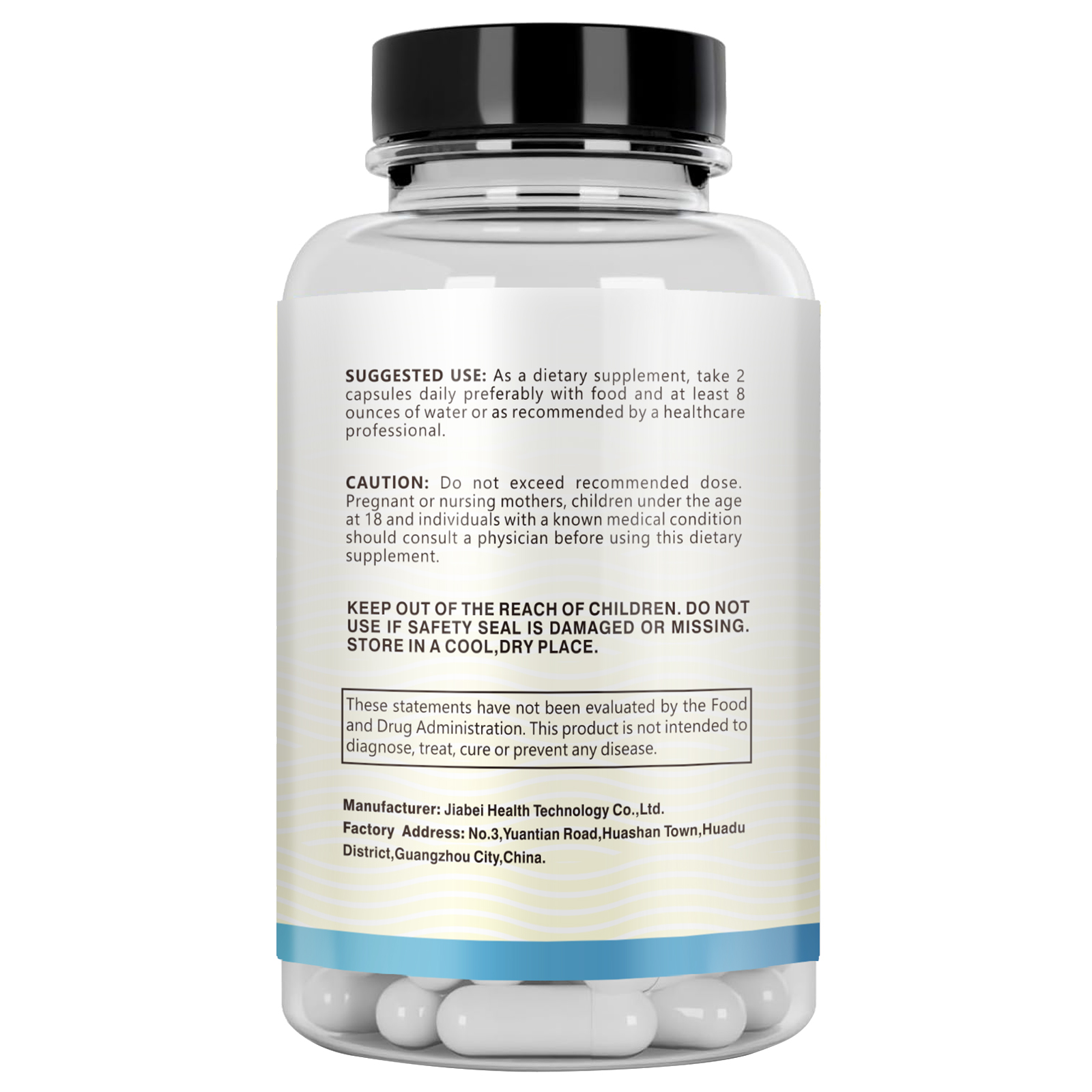
Supplier validation requires immense diligence. You cannot compromise on quality assurance protocols. Fraudulent raw materials easily infiltrate poorly monitored supply chains. Establishing strict vetting procedures protects your brand equity and consumer safety.
Certificates of Analysis (COA) verification serves as your first defense line. Never rely solely on a supplier's in-house documentation. Unscrupulous brokers frequently falsify these internal documents. You must mandate independent testing. Utilize ISO-accredited third-party laboratories. Confirm all manufacturer claims through objective external analysis.
Identity and purity testing demand specific analytical techniques. You must require High-Performance Liquid Chromatography (HPLC) testing. This method accurately confirms a minimum purity of 98% or higher. Do not accept titration methods. Titration overestimates purity levels. Additionally, employ Fourier-transform infrared spectroscopy (FTIR). FTIR provides basic raw material identification. It ensures you received the correct initial compound.
Adulteration risks remain a constant industry threat. Expensive raw materials attract economically motivated adulteration. Screen specifically for undeclared Ursodeoxycholic acid (UDCA). Suppliers often cut expensive batches using cheaper UDCA. Alternatively, they might use inexpensive ox bile powder. Neither substitute provides the precise clinical benefits of a pure TUDCA supplement.
Contaminant screening ensures ultimate consumer safety. Implement standard testing for heavy metals. Screen meticulously for lead, arsenic, cadmium, and mercury. Evaluate batches for residual solvents left over from the synthesis process. Finally, establish strict microbial limits to prevent bacterial or fungal contamination.
Analytical Methods for Raw Material Validation
Testing Method | Primary Target | Application Rationale |
|---|---|---|
HPLC | Purity Quantification | Isolates precise molecular structures to verify ≥98% purity claims. |
FTIR | Identity Verification | Matches molecular fingerprints against established chemical reference standards. |
ICP-MS | Heavy Metals | Detects trace amounts of dangerous elements like lead and arsenic. |
GC-MS | Residual Solvents | Identifies harmful chemical residues left behind from enzymatic synthesis. |
Regulatory adherence requires precision. The line separating a dietary supplement from an unapproved drug is razor-thin. You must control your marketing language tightly. Minor missteps invite warning letters from federal regulators.
Acknowledge the regulatory history surrounding bile acids. The FDA monitors these compounds closely. You must ensure your marketing strictly aligns with DSHEA guidelines. Dietary supplements cannot claim to diagnose, treat, cure, or prevent any disease. Your positioning must focus entirely on physiological support.
Compliant structure/function claims highlight normal bodily processes. Acceptable phrasing focuses on maintenance and optimization. You can safely state your product "supports healthy liver function." You may say it "promotes normal bile flow." Claims like "aids in cellular health" also fall within acceptable regulatory boundaries. These statements accurately reflect the compound's physiological role.
High-risk disease claims trigger immediate regulatory action. You must strictly avoid any non-compliant language. Never mention treating cirrhosis or fatty liver disease (NAFLD/NASH). Do not reference cholestasis or repairing existing liver damage. Using these terms automatically classifies your product as an unapproved new drug. Train your marketing team to recognize and eliminate these trigger words.
Substantiation requirements validate your specific claims. You must maintain a comprehensive dossier of peer-reviewed clinical data. This data must directly match your formulation. The dosage in the studies must align with your recommended serving size. The delivery format should mirror the clinical trial parameters. Proper substantiation protects you during random regulatory audits.
Compile a master dossier of all relevant peer-reviewed clinical literature.
Cross-reference study dosages against your final product specifications.
Submit required 30-day notifications for all structure/function claims.
Conduct quarterly audits on all marketing channels and social media posts.
Moving from a theoretical concept to physical production presents challenges. You must address the inherent physical limitations of the raw material. Proper formulation strategies ensure optimal stability and consumer compliance.
Industry-standard clinical dosing ranges provide a baseline for efficacy. Typical formulations offer between 250 mg to 500 mg per serving. Higher dosages may require multiple capsules. You should balance clinical efficacy against pill burden. Consumers generally prefer taking fewer capsules daily.
Physical characteristics heavily influence manufacturing decisions. The compound features an inherently bitter, highly offensive taste. It is also extremely hygroscopic. It absorbs moisture from the surrounding environment rapidly. This moisture absorption leads to severe clumping inside the blending machinery. Manufacturing facilities must maintain strict humidity controls during all production phases.
Delivery formats dictate the final consumer experience. Hard-shell capsules remain the preferred delivery vehicle. You can utilize either HPMC (vegetarian) or standard gelatin capsules. Capsules effectively mask the bitter taste profile. They also offer superior stability compared to raw powders or liquid tinctures. Avoid formulating standalone drink mixes unless you utilize advanced microencapsulation technologies.
Synergistic stacking elevates the overall product value. Formulating complementary ingredients creates a comprehensive solution. Consider these strategic additions:
N-Acetyl Cysteine (NAC): Replenishes intracellular glutathione levels for profound antioxidant support.
Choline: Facilitates lipid transport and supports healthy hepatic cellular membranes.
Silymarin (Milk Thistle): Provides traditional botanical antioxidant benefits alongside targeted bile acids.
Selecting the right contract manufacturer solidifies your supply chain. You need a partner capable of handling difficult, hygroscopic ingredients. Proper vetting prevents costly production delays and quality failures.
Audit documentation rigorously before signing any agreements. Request full supply chain transparency. You need explicit details regarding starting material origins. Demand comprehensive residual solvent reports from previous batches. A reputable manufacturer readily provides this documentation upon request. Transparency indicates a mature, reliable quality control system.
Commissioning pilot runs mitigates large-scale financial risks. Never jump straight into a massive production run. Order a small pilot batch first. Test the encapsulation efficiency thoroughly. Monitor the initial batch for proper disintegration times. Evaluate the product's stability under accelerated conditions. This pilot phase highlights potential blending issues before they ruin a commercial run.
Partnering for third-party certification builds immense consumer trust. Visible on-label certifications drive retail conversions. Consider organizations like NSF International or Informed Choice. These certifications prove your product meets rigorous external standards. They differentiate your brand in a highly saturated, skeptical market.
Successfully bringing this premium compound to market requires meticulous execution. You must prioritize independent purity validation above all else. Ethical sourcing strategies protect your brand reputation from catastrophic public relations failures. Strict regulatory compliance ensures long-term operational stability. Formulators face significant challenges regarding hygroscopicity and taste masking. However, careful encapsulation strategies resolve these physical hurdles effectively.
Launching a transparently sourced product provides a massive strategic advantage. The current market features intense scrutiny from educated consumers. Brands offering verified purity capture substantial market share. They easily outperform generic, poorly formulated alternatives. Your commitment to quality directly translates into customer loyalty and recurring revenue.
Now is the time to act. Engage specialized regulatory counsel immediately to review your proposed label claims. Shortlist contract manufacturers with proven experience handling hygroscopic materials. Begin sourcing raw ingredient samples for independent HPLC analysis. Taking these decisive steps accelerates your timeline for a successful product launch.
A: Yes, structurally and functionally, high-quality synthetic TUDCA is indistinguishable from the naturally occurring molecule.
A: It depends on the precursor used in the synthesis process. Many synthetic TUDCAs utilize animal-derived starter materials. Verify with your supplier before making this claim.
A: Brands should strictly require an assay of ≥98% purity, verified via HPLC.
A: TUDCA is highly hygroscopic. Manufacturing facilities must maintain strict humidity controls during blending and encapsulation to prevent clumping and degradation.

 +86 18802062544