
Views: 0 Author: Site Editor Publish Time: 2026-07-04 Origin: Site


The daily wellness market is actively shifting from legacy pills to high-absorption liquid formats. Consumer demand heavily drives this rapid change. Shoppers constantly push for immediate efficacy and cleaner product labels. They want dietary supplements they can consume easily and feel working quickly.
Milk thistle stands out as a foundational botanical in the liver health space. However, traditional raw seed powders frequently fall short of clinical expectations. These bulk powders often lack reliable concentrations of the active compound, silymarin. This inconsistency leaves many traditional capsule supplements underperforming.
For product developers and brand founders, incorporating vegan silymarin milk thistle drops offers a scientifically grounded solution. This format provides a highly marketable asset for modern portfolios. You must simply ensure the formulation meets strict purity and bioavailability standards. Read on to discover how standardizing extracts and shifting to liquid delivery systems can elevate your brand reputation.
Liquid extracts bypass the digestive breakdown required by capsules, offering faster onset and potentially higher bioavailability.
Standardization to specific silymarin percentages ensures clinical relevance and protects brand credibility against "fairy dusting."
Alcohol-free, vegan herbal drops align with modern clean-label demands and broader dietary inclusion.
Evaluating manufacturing partners requires scrutinizing extraction methods, heavy metal testing, and stability data.
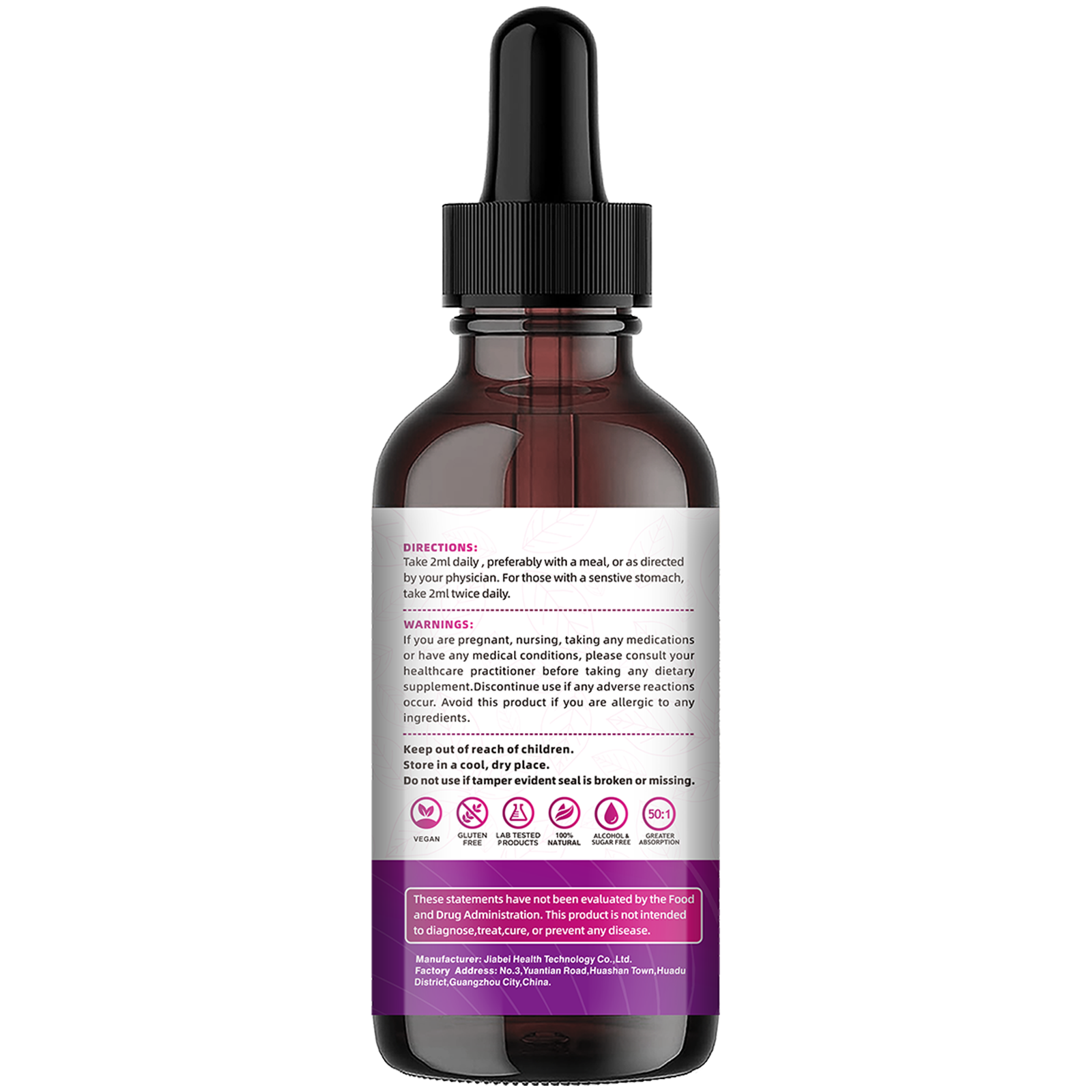
Liquid supplements drastically alter how the human body processes botanical compounds. Sublingual or liquid ingestion bypasses the initial digestive delay. When a consumer swallows a standard gelatin or cellulose capsule, the stomach must first break down that casing. This degradation process takes valuable time and exposes the botanical contents to harsh gastric acids. Liquid extracts skip this breakdown phase. They enter the system faster, offering a swifter onset of action.
Formulators also face significant solubility challenges when working with milk thistle. Silymarin has notoriously poor water solubility. This clinical reality limits the effectiveness of traditional teas or crude powder suspensions. The active flavonolignans simply do not dissolve well in aqueous environments. Modern liquid suspension techniques solve this major hurdle. By utilizing organic glycerin matrices, manufacturers dramatically improve cellular uptake. Glycerin acts as an effective solvent, holding the hydrophobic silymarin molecules in a stable, easily absorbed state.
Furthermore, liquid formats solve severe consumer compliance issues. Pill fatigue is a well-documented phenomenon. Many consumers simply hate swallowing large, chalky capsules daily. Liquid tinctures eliminate this friction. They allow for easy micro-dosing. You can adjust the exact dosage drop by drop to suit individual tolerances.
Immediate Delivery: Liquids do not require mechanical breakdown in the stomach.
Enhanced Solubility: Glycerin suspensions protect hydrophobic botanical compounds.
Customizable Dosing: Droppers allow users to scale their intake based on daily needs.
Swallowability: Eradicates the choking hazard associated with jumbo-sized capsules.
We must first understand the fundamental science of this botanical. Silymarin is not a single element. It is a complex of flavonolignans extracted from milk thistle seeds. Silybin acts as the most predominant and biologically active component in this matrix. It functions as a potent antioxidant and a highly effective hepatoprotectant. Formulators should strictly avoid trendy "detox" buzzwords. Detoxing is largely a marketing fabrication. Instead, brand labeling should use clinically accurate phrases. Focus on how the compound "supports hepatic function" and "promotes cellular membrane stability."
Concentration metrics define the line between a premium product and a useless one. Simply listing "milk thistle extract" on a supplement facts panel is highly insufficient. Unstandardized extracts might contain negligible amounts of active molecules. Brands must source extracts standardized to at least 70% to 80% silymarin. This strict percentage matches the baselines established in clinical literature. When you formulate liver support drops, you must guarantee therapeutic yield.
Dosing transparency further separates elite brands from budget competitors. You must establish clear, evidence-backed daily dosage ranges. We look to established NIH and Mayo Clinic benchmarks to guide these parameters. Clinical trials typically administer between 140 mg and 210 mg of active silymarin per dose. Demonstrating responsible formulation practices means aligning your suggested dropper servings with these exact clinical targets.
Botanical Extract Quality Comparison
Extract Type | Active Silymarin Yield | Clinical Reliability | Market Positioning |
|---|---|---|---|
Raw Seed Powder | 1% - 3% (Highly Variable) | Very Low | Budget / Discount Tier |
Generic Liquid Extract | Unknown / Unverified | Unpredictable | Mass Market |
Standardized Extract | 70% - 80% Minimum | High (Matches Trials) | Premium / Practitioner Tier |
The modern wellness demographic demands strict clean-label standards. The vegan requirement is no longer a niche preference. It is an absolute necessity for premium market positioning. Modern liquid formulas must eliminate all animal-derived ingredients. Using traditional bovine or porcine gelatin automatically alienates millions of prospective buyers. Plant-based formulations capture a much wider, higher-spending audience.
Product developers must carefully evaluate extraction solvents. We must objectively compare traditional alcohol tinctures with modern extraction methods. Historically, herbalists used heavy ethanol to strip active compounds from seeds. Alcohol creates a harsh, astringent bite. It also severely limits your customer base. Many demographics actively avoid ethanol for various health, recovery, or religious reasons.
Shifting to alcohol-free organic glycerin extraction solves these demographic barriers. Vegan herbal drops formulated with glycerin offer several distinct advantages:
Broader Accessibility: Safe for individuals entirely avoiding alcohol consumption.
Taste Profile: Glycerin imparts a natural, smooth sweetness without spiking blood sugar.
Mucosal Comfort: Eliminates the burning sensation under the tongue caused by high-proof ethanol.
Clean Label Compliance: Organic vegetable glycerin meets strict non-GMO and plant-based certifications.
Carrier oils and natural flavoring play a crucial role in product success. Milk thistle possesses a naturally bitter, earthy profile. Brands must mask this bitterness to ensure repeat purchases. However, you must avoid synthetic sweeteners like sucralose or aspartame entirely. Rely instead on natural, non-GMO carrier bases. Formulators often integrate pure peppermint oil or cold-pressed citrus extracts. These natural additions neutralize the bitterness while maintaining absolute label purity.
Botanical sourcing presents significant agricultural risks. Sourcing contamination can destroy a brand overnight. Milk thistle plants easily absorb contaminants from poor soil. Heavy metals like lead, cadmium, and arsenic pose severe threats. Furthermore, conventional farming leaves dangerous pesticide residues on the seed hulls. Improper drying and storage conditions breed mycotoxins. Aflatoxins are highly toxic compounds produced by mold. You must rigorously screen raw materials to block these hazards.
Shelf stability requires meticulous engineering. Liquid extracts naturally face higher oxidation risks than dry powders. Light exposure rapidly degrades fragile flavonolignan molecules. You cannot package these premium liquids in clear plastic or cheap containers. UV-protective packaging is absolutely mandatory. Dark amber glass or deep cobalt glass bottles block harmful ultraviolet light. Additionally, plastic dropper pipettes often warp or leach chemicals into the oil over time. Always specify medical-grade glass pipettes for your closures.
The "complexing" trend presents another major formulation roadblock. Brands frequently attempt to stand out by combining multiple botanicals. They mix silymarin with dandelion root extract or artichoke leaf. While these combinations sound appealing, they carry formulation risks. You must evaluate the mechanism of action for each added herb. Advise your chemists to ensure these complementary botanicals have distinct, non-competing absorption pathways.
Most importantly, avoid the "fairy dusting" trap. Never under-dose the primary active silymarin just to make room for generic filler herbs in the vat. A masterfully formulated single-ingredient drop often outperforms a poorly dosed botanical blend.
Choosing the right manufacturing partner determines your market survival. You cannot scale a wellness brand on blind trust. Brand founders must execute a rigorous vendor evaluation process before signing any purchase orders. Third-party testing documentation is your first line of defense.
Always demand an independent Certificate of Analysis (COA). Detail exactly what you expect to see on this document. Never accept gross botanical weight as proof of potency. A COA must verify the exact silymarin yield via High-Performance Liquid Chromatography (HPLC) testing. If a vendor cannot produce an HPLC-verified COA, walk away immediately. The document must also show "non-detectable" levels for heavy metals, microbial plates, and residual solvents.
Facility certifications remain completely non-negotiable. Your manufacturing partner must hold current cGMP (Current Good Manufacturing Practice) certification. They must also operate within an FDA-registered facility subject to routine inspections. These certifications prove the facility follows strict sanitation, batch tracking, and quality control protocols.
Finally, prioritize supply chain traceability. Frame transparent sourcing as a primary trust signal. When B2B procurement teams can trace an ingredient back to its specific agricultural origin, confidence skyrockets. This transparency directly fuels powerful B2C marketing campaigns. Modern consumers eagerly reward brands that openly share their ingredient sourcing journeys.
The market for daily wellness supplements clearly favors high-absorption, clean-label formats. Liquid formulations bypass digestive hurdles, offering rapid onset and excellent consumer compliance. Standardizing extracts to 70-80% active flavonolignans guarantees the clinical relevance your consumers expect.
We urge brands to prioritize clinical validation and bioavailability over generic, low-cost raw materials. Budget seed powders might improve your initial margins, but they destroy long-term customer retention. Utilizing an organic glycerin base ensures your product remains accessible to the widest possible demographic. It protects your brand from the limitations of harsh alcohol tinctures.
Take immediate action to audit your current product development pipeline. Encourage your product teams to request full-panel COAs and verified bioavailability studies from potential manufacturing partners. Do this before you attempt to scale production. By adhering to these strict quality assurance steps, your liquid botanical formulas will easily outpace legacy competitors in the premium wellness sector.
A: The industry standard requires a 70% to 80% standardized extract. This specific concentration directly correlates with the active therapeutic doses utilized in peer-reviewed clinical studies. Formulating below this threshold severely limits the hepatoprotective benefits and turns the product into a placebo.
A: Yes. Modern organic glycerin-based extractions achieve excellent shelf stability, typically lasting up to 24 months. You must package them correctly in UV-protective amber or cobalt glass. Glycerin effectively preserves the botanical compounds without imparting the harsh astringency of alcohol.
A: Yes, you can combine them safely. However, formulators must verify potential compound interactions. You must guarantee that the primary active silymarin dose remains clinically relevant. Never under-dose your primary ingredient simply to make room for cheaper, generic filler herbs like dandelion root.
A: Brands should include standard FDA medical disclaimers. Note potential interactions with cytochrome P450 substrates, as milk thistle can alter how the liver metabolizes certain medications. Additionally, always include a clear allergy warning for individuals sensitive to the ragweed and aster plant families.

 +86 18802062544