
Views: 0 Author: Site Editor Publish Time: 2026-07-09 Origin: Site


Global demand for botanical and herbal liquid extracts is rising rapidly today. Modern consumers actively seek potent, plant-based wellness solutions. However, this surging popularity introduces a significant core business problem. The supplement market now overflows with diluted, low-quality, or synthetically flavored extracts. These subpar alternatives routinely fail to deliver their expected results. As a buyer, choosing the right supplier or brand dictates everything. It directly determines final product efficacy, long-term consumer trust, and strict regulatory compliance. Brands simply cannot afford blind sourcing in a highly competitive landscape. You need a rigorous, repeatable evaluation framework to effectively shortlist high-quality suppliers. This comprehensive guide breaks down the precise criteria you must verify. We will explore extraction protocols, lab testing mandates, and supply chain transparency. Read on to learn how to secure premium extracts and protect your brand reputation.
Extraction methods (alcohol vs. glycerin) dictate the bioavailability and shelf-life of the drops.
Third-party Certificates of Analysis (COAs) are mandatory to verify purity and rule out heavy metal contamination.
Authentic soursop graviola drops must offer complete supply chain transparency, from raw leaf sourcing to final bottling.
B2B buyers must evaluate a supplier’s cGMP certifications, Minimum Order Quantities (MOQs), and packaging standards before committing to bulk purchases.
The foundation of any high-quality botanical extract lies in its manufacturing process. Buyers must scrutinize how the active phytochemicals are drawn from the raw plant material. The chosen solvent, also known as the menstruum, heavily influences the final product's potency and stability.
You will primarily encounter two types of liquid bases during your sourcing process. Alcohol extracts active compounds incredibly effectively. It easily breaks down tough plant cell walls to capture diverse alkaloids and acetogenins. Furthermore, alcohol acts as a robust natural preservative. It ensures the liquid remains stable for years. Conversely, glycerin-based extracts cater directly to alcohol-averse consumers. They taste sweeter and feel gentler on the stomach. However, glycerin possesses a weaker solvent capacity. It may also result in a notably shorter shelf-life compared to traditional tinctures.
Solvent Type | Extraction Efficiency | Average Shelf Life | Consumer Appeal |
|---|---|---|---|
Alcohol (Ethanol) | High (Extracts wide range of alkaloids) | 3 to 5 Years | Traditional herbalists, maximum potency seekers |
Vegetable Glycerin | Moderate (Gentler osmotic extraction) | 1 to 2 Years | Children, alcohol-sensitive individuals, flavor-focused buyers |
Adulteration is a massive issue in the botanical supply chain. You must ensure the product explicitly utilizes true Annona muricata. Check the supplier documentation carefully. The market often confuses true soursop with other less potent Annona species. Authentic formulations rely heavily on carefully harvested leaves or fruit. Therapeutic-grade products predominantly feature leaf extracts due to their rich phytochemical profile.
Formulations must remain pure. They should be completely free from artificial colors, synthetic flavors, and unnecessary preservatives. These unwanted additives are unfortunately common in lower-tier natural supplement drops. A premium product requires only the raw botanical, purified water, and the chosen extraction solvent. Anything else dilutes the value and raises potential allergen risks for end consumers.
Never rely solely on flashy marketing claims printed on the front label. Instruct your procurement team to always check the herb-to-menstruum ratio. A ratio of 1:3 or 1:4 provides a clear indicator of actual potency. For example, a 1:3 ratio means one gram of raw herb was used for every three milliliters of liquid solvent. Lower ratios like 1:10 indicate a highly diluted, weaker final product. High-potency extracts justify higher wholesale costs and deliver superior results.
Trusting a supplier's verbal promise is a dangerous game. Modern regulatory environments demand hard, scientific proof. This proof comes in the form of independent laboratory testing.
A valid, recent Certificate of Analysis (COA) serves as the ultimate proof of quality. It provides a detailed breakdown of what actually exists inside the liquid. The COA must originate from an ISO-accredited third-party laboratory. In-house testing reports carry inherent bias. Independent testing guarantees the product contains the promised botanical markers without dangerous adulterants.
Botanicals absorb elements from their surrounding soil. This makes heavy metal testing absolutely vital. You must highlight the necessity of testing for lead, mercury, arsenic, and cadmium. Additionally, agricultural chemical residues present severe health risks. Extensive pesticide screening is critical, especially for wildcrafted or internationally sourced raw materials. A clean COA protects your brand from devastating consumer safety recalls.
Liquid extracts can harbor dangerous pathogens if processed improperly. You must ensure every batch passes rigorous microbial testing. The lab must check for mold spores, excessive yeast, and dangerous bacteria. Specifically, the COA should confirm the complete absence of E. coli, Salmonella, and Staphylococcus aureus. Clean microbial panels indicate sanitary manufacturing environments and proper solvent utilization.
Procurement teams must learn to identify supplier red flags quickly. Suppliers who hesitate to provide updated, batch-specific third-party lab reports should face immediate disqualification. Watch out for blurry, heavily redacted, or expired documents. Top-tier manufacturers maintain organized, transparent QA departments. They will gladly share comprehensive lab results within hours of your request.
The journey of a premium extract begins long before the manufacturing facility. The geographic origin and agricultural practices directly influence the raw material's inherent quality.
Soursop trees thrive exclusively in warm, tropical regions. The best raw materials typically originate from the Caribbean, South America, and specific parts of Africa. Buyers must know exactly where the raw materials originate. Unscrupulous brokers often blend batches from unknown origins to cut costs. True geographic traceability allows you to verify the climate conditions and soil quality where the botanicals grew.
You will need to choose between wildcrafted and cultivated materials. Both offer unique advantages.
Ethically Wildcrafted: These leaves are harvested from naturally occurring trees in unpolluted forests. They often grow entirely free from commercial pesticides or synthetic fertilizers. They boast robust, natural phytochemical profiles.
Certified Organic Farmed: Cultivated trees offer exceptional batch consistency. Certified organic farms follow strict, documented agricultural guidelines. This guarantees a clean supply chain and predictable yields year-round.
Environmental stewardship matters deeply to modern consumers. Assess whether your potential supplier adheres to recognized fair-trade practices. You must verify their sustainable harvesting protocols. Irresponsible foraging leads to over-farming and damages native Graviola tree populations. Ethical suppliers carefully trim leaves without harming the main tree structure. This ensures long-term ecological balance and guarantees a stable supply chain for your business.
Sourcing premium raw materials is only half the battle. The actual extraction and bottling process must occur in a highly controlled environment. Regulatory compliance is non-negotiable for serious businesses.
You must verify the drops are manufactured in a Current Good Manufacturing Practice (cGMP) certified facility. These strict guidelines dictate every aspect of production. They cover equipment sanitation, employee hygiene, ingredient quarantine, and final product testing. A cGMP certification proves the facility operates under rigorous quality control standards. It eliminates the risk of cross-contamination.
If you plan to sell within the United States, FDA oversight is mandatory. Ensure the manufacturing facility holds an active registration with the FDA. Furthermore, the facility must comply fully with all Dietary Supplement Health and Education Act (DSHEA) regulations. Ask for their facility registration number. Check their history for any warning letters or prior FDA disciplinary actions. Partnering with a compliant facility shields your company from sudden operational shutdowns.
Marketing teams often push boundaries, but compliance teams must hold the line. Emphasize the vital importance of compliant product labeling. Ensure the brand or private-label manufacturer does not make illegal, exaggerated medical claims. Claiming a botanical extract can "cure," "treat," or "prevent" specific diseases violates federal law. These forbidden claims pose severe liability risks. A reputable supplier will help you navigate compliant structure-function claims instead.
The final physical product must survive shipping, warehouse storage, and retail display. Furthermore, your supplier must demonstrate the logistical capacity to grow alongside your brand.
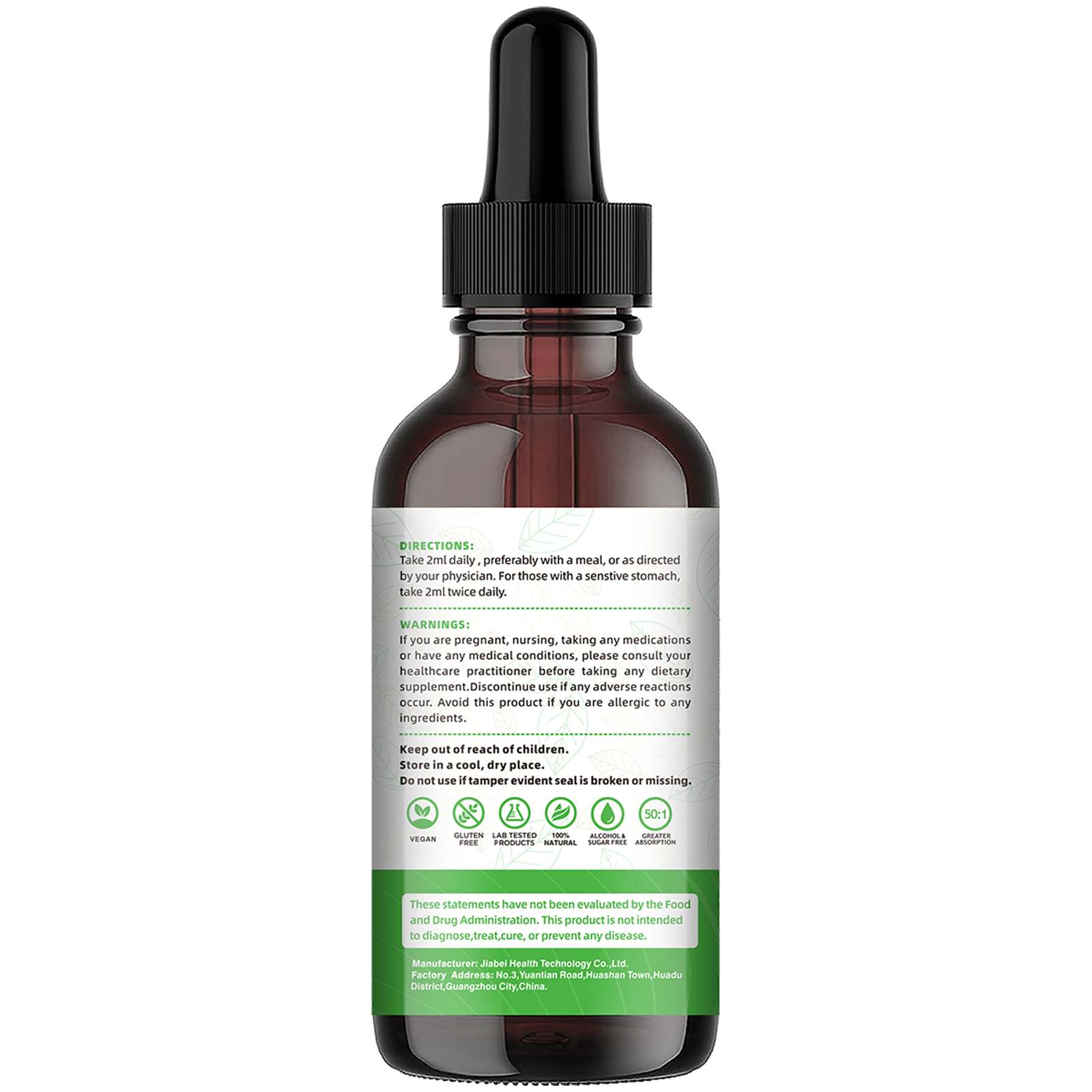
Proper packaging preserves botanical integrity. High-quality soursop drops must always be packaged in amber or cobalt blue glass bottles. These specific colored glasses block harmful UV rays. Direct sunlight causes rapid UV degradation of the active phytochemicals inside the liquid. Clear glass or cheap plastic bottles indicate a manufacturer who prioritizes cost-cutting over product longevity.
The delivery mechanism requires close inspection. Check for graduated glass pipettes. These allow consumers to measure precise dosages easily. Furthermore, the dropper must feature secure, leak-proof rubber bulbs. Low-grade natural rubber can degrade when exposed to alcohol or strong essential oils. High-quality manufacturers utilize durable, chemical-resistant bulbs to prevent leakage and secondary contamination.
Bulk buyers face unique logistical challenges. You must carefully map out a supplier's true operational capacity. Evaluate the following criteria:
Minimum Order Quantities (MOQs): Ensure their entry-level requirements align with your initial launch budget.
Lead Times: Clarify exactly how many weeks it takes from purchase order to final shipment.
White-Label Capabilities: Determine if they offer in-house graphic design and custom labeling services for your brand.
Natural agricultural products inherently vary by season and climate. This creates an implementation risk regarding inconsistent raw materials. You must address this risk early in negotiations. Ask potential partners how they handle raw material standardization. Top-tier suppliers maintain strict uniformity across large production runs. They achieve this by blending raw materials from different harvest zones or concentrating extracts to meet a specific phytochemical baseline. Selling reliable soursop graviola drops requires absolute consistency in flavor, color, and therapeutic potency.
Successfully navigating the botanical extract market requires rigorous due diligence. You must always prioritize extraction purity, strict third-party lab testing, and certified manufacturing environments over the lowest possible price point. Cheap extracts inevitably cost more in the long run through customer returns and damaged brand equity. Taking shortcuts in the vetting process exposes your business to severe regulatory risks.
Your next steps are clear and actionable. Reach out to your shortlisted vendors today. Request physical product samples to evaluate taste, clarity, and packaging quality firsthand. Demand to review their side-by-side COAs for recent production runs. Finally, conduct a small pilot run before finalizing any massive bulk order or signing a long-term vendor contract. This measured approach ensures you secure a reliable partner capable of delivering premium botanical solutions.
A: The typical shelf life ranges from two to five years. This duration depends heavily on the chosen carrier solvent. Alcohol-based tinctures generally last up to five years due to excellent preservation properties. Glycerin-based alternatives usually expire within two years. Proper storage in a cool, dark environment away from direct sunlight maximizes longevity.
A: High-quality drops predominantly utilize the leaves. The leaves contain the highest concentration of beneficial phytochemicals, specifically annonaceous acetogenins. While the fruit and seeds offer nutritional value, therapeutic-grade herbal extracts almost exclusively rely on wildcrafted or organically farmed leaves for maximum wellness support.
A: They offer different benefits. Alcohol extracts a wider spectrum of dense alkaloids and volatile oils more efficiently. It provides maximum potency. However, alcohol-free glycerin extracts remain highly effective for general wellness. They offer a gentler absorption profile and cater perfectly to individuals who cannot consume alcohol for dietary or personal reasons.

 +86 18802062544