
- All
- Product Name
- Product Keyword
- Product Model
- Product Summary
- Product Description
- Multi Field Search
Views: 0 Author: Site Editor Publish Time: 2026-10-08 Origin: Site


Supplementing daily vitamins should feel entirely effortless. Yet, many consumers struggle greatly to maintain this simple daily habit. Format fatigue frequently derails even the best health intentions. Gastric distress and poor absorption add further roadblocks to compliance. Taking large, chalky pills every morning easily becomes a dreaded chore. This frequent discomfort leads many people to skip their doses entirely. We must look far beyond basic nutritional facts. We need to evaluate closely how delivery mechanisms impact our bodies. Does a solid pill or a dissolving drink work better for you? This article explores how these unique formats affect pharmacokinetics. We will analyze digestive comfort and long-term habit formation thoroughly. You will learn the hidden trade-offs of different delivery systems today. We provide an evidence-based framework to guide your final decision. You can successfully match your choice to your tolerance levels. Ultimately, we aim to support your unique lifestyle and clinical needs.
Absorption Dynamics: A Vitamin C effervescent tablet pre-dissolves into a liquid solution, offering faster gastric emptying and potentially bypassing the breakdown bottleneck of tightly bound regular tablets.
Gastric Tolerance: The carbonation and buffering agents in effervescent formats often neutralize ascorbic acid, reducing the heartburn or stomach upset common with standard hard-pressed pills.
Formulation Trade-offs: The enhanced user experience of effervescent tablets comes at a cost; evaluating hidden sodium levels, artificial sweeteners, and excipient loads is critical for individuals with specific dietary restrictions.
Compliance Trumps Minor Spec Differences: The superior format is ultimately the one the user will consistently take without friction.
Millions of people purchase health supplements every single year. Surprisingly, very few individuals actually take them daily. We must first analyze why consumers abandon regular vitamin regimens. Pill fatigue plays a massive role in this adherence gap. Dysphagia affects a significant portion of the adult population globally. Dysphagia simply means experiencing difficulty swallowing large solid objects. When consumers swallow massive ascorbic acid tablets, they frequently experience post-dose nausea. This sudden nausea completely ruins an otherwise peaceful morning routine.
It creates intense negative psychological reinforcement over time. People begin associating their health regimen directly with physical discomfort. We must redefine the core success criteria for daily supplementation. High bioavailability alone means absolutely nothing in practice. It completely fails if the bottle just gathers dust in a cabinet. True protocol success requires high bioavailability combined seamlessly with high daily compliance. You need a product you actually enjoy consuming regularly.
This reality highlights the crucial role of the delivery system. Many consumers view a Vitamin C Effervescent Tablet as a simple, fizzy novelty. However, it represents a highly serious pharmacological solution. It actively solves known solid-dose limitations effectively. Clinical characterization and advanced formulation patents heavily support this delivery method. It successfully bridges the vast gap between clinical efficacy and daily user experience. By removing the friction of swallowing, it ensures you get your nutrients.
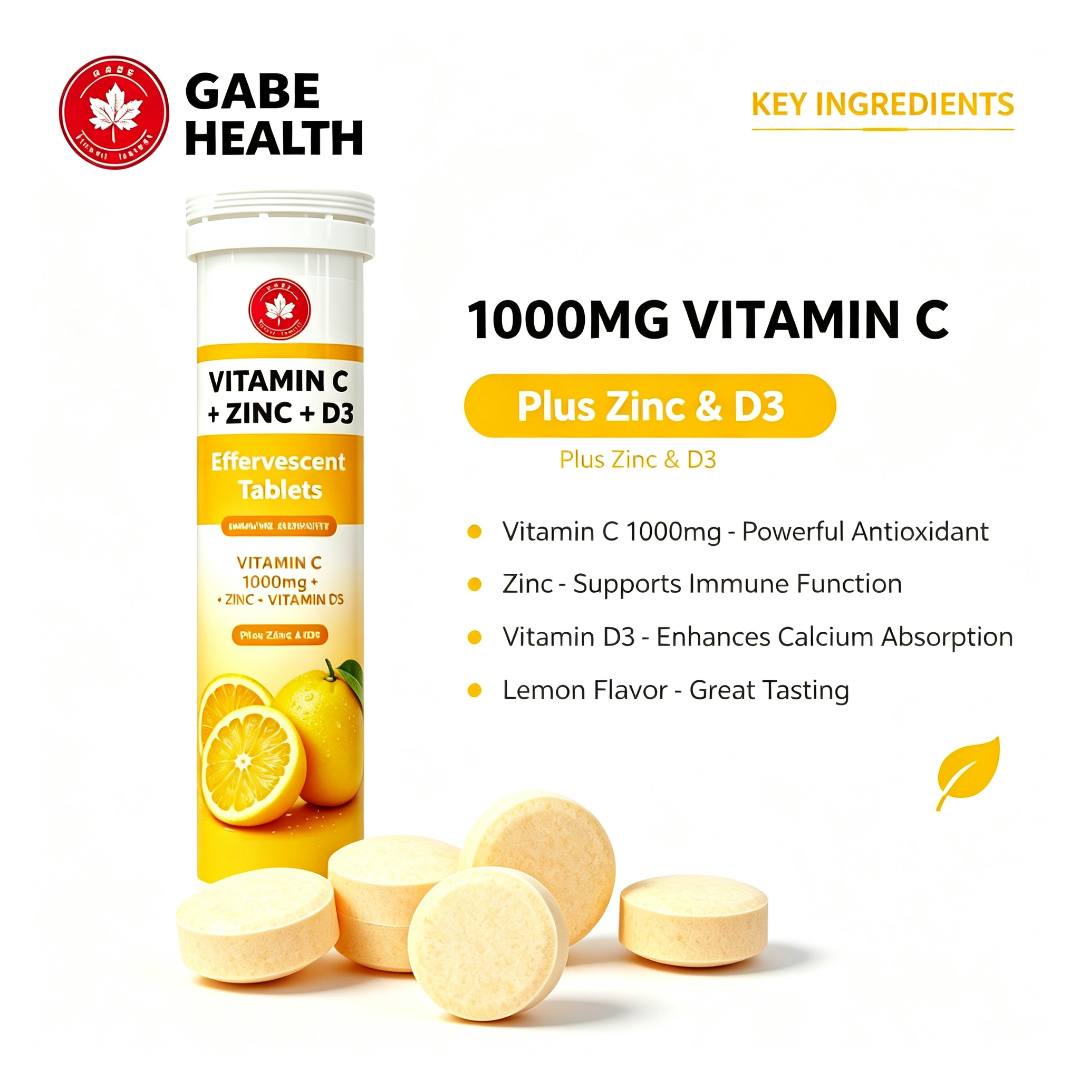
Let us closely examine the digestion profile of a solid tablet. Regular pills must undergo several physiological steps before providing benefits. First, they reach the harsh environment of the stomach. Next, physical disintegration occurs. The tablet slowly breaks into much smaller fragments. Then, chemical dissolution happens. The active ingredients dissolve into your surrounding gastric fluids. Only then can intestinal absorption finally begin. Manufacturers use inert binders to hold regular tablets together tightly. These specific binders often delay the crucial disintegration process. They create a noticeable bottleneck in your digestive tract.
Now consider the unique effervescent advantage. The mechanism of effervescence relies upon a simple acid-base reaction. Dropping the disc into water instantly triggers this chemical reaction. It rapidly releases carbon dioxide gas into the glass. The tablet pre-dissolves completely before touching your lips. This precise process creates a highly bioavailable liquid suspension. Your body entirely skips the physical disintegration phase. The liquid moves swiftly through the pyloric sphincter into the small intestine.
However, we must strictly balance marketing claims against clinical realities. We should always approach the absorption debate using scientific skepticism. Effervescent liquids do indeed absorb faster initially. They spike blood serum nutrient levels much quicker. But what about total net absorption? Over a full 24-hour period, total absorption remains highly comparable. Healthy adults process standard ascorbic acid efficiently regardless of the format. The real clinical benefit lies in the speed of delivery. Fast delivery matters significantly for immediate symptom relief. It matters slightly less for long-term baseline nutritional maintenance.
Absorption Timelines Breakdown
Digestive Phase | Solid Regular Tablet | Effervescent Format |
|---|---|---|
Initial Disintegration | Requires 15-30 minutes internally | Pre-dissolves externally in water |
Chemical Dissolution | Gradual release based on binders | Immediate liquid suspension |
Gastric Emptying Speed | Slower, relies on solid digestion | Rapid, behaves like regular water |
Peak Blood Serum Levels | Delayed onset (2-3 hours) | Accelerated onset (1-2 hours) |
Regular Vitamin C tablets pose a very specific digestive challenge. Ascorbic acid is naturally highly acidic by definition. Standard pills concentrate this intense acidity into one dense block. Localized dissolution occurs directly against your sensitive stomach lining. This intense chemical concentration causes immediate irritation. Sensitive users frequently report painful stomach cramping. Many consumers experience severe acid reflux shortly after swallowing. The dense pill sits heavily in the gut while waiting to dissolve.
Effervescent formats solve this irritation through a natural buffering effect. They require specific alkaline components to create the fizz. Manufacturers typically use sodium bicarbonate or potassium bicarbonate. These alkaline agents naturally buffer the ascorbic acid during the reaction. The chemical process significantly raises the overall pH level. It effectively neutralizes the intense natural acidity. A high-quality Vitamin C Effervescent Tablet becomes incredibly gentle on the GI tract. It prevents localized irritation completely.
Furthermore, we must recognize the secondary hydration multiplier. Dissolving a tablet actively forces you to drink more water. You typically consume 6 to 8 extra ounces of liquid. This secondary benefit greatly aids broader metabolic processes. Hydration dilutes the stomach contents even further. It safely reduces the active concentration of the vitamin. Your body processes diluted liquids much easier than solid masses. This simple hydration habit drastically improves overall morning wellness routines.
Enhanced user experiences always come at a necessary cost. We must evaluate these formulation trade-offs very carefully. The most critical clinical risk involves hidden dietary sodium. Effervescent reactions absolutely require sodium bicarbonate to work. Many commercial discs contain 200mg to 300mg of sodium each. You must track this specific intake carefully. This represents a strict contraindication for severely hypertensive users. People following low-sodium diets should avoid taking high daily doses.
Next, you must scrutinize the sweeteners and flavorings used. Regular tablets contain completely inert binders. Manufacturers use microcrystalline cellulose or magnesium stearate. These binders pass through your system largely unnoticed. Effervescent tablets require an entirely different excipient load. They need to taste pleasant to ensure compliance. Formulators often use sucralose, aspartame, or natural stevia. They add artificial or natural fruit flavors. Consumers managing specific dietary restrictions must read ingredient labels closely. You might strongly prefer avoiding artificial sweeteners entirely.
Finally, carefully assess shelf-life and storage vulnerabilities. Regular tablets boast incredibly robust environmental stability. They survive easily in basic plastic bottles. Effervescent discs are highly hygroscopic by nature. They actively absorb ambient moisture from the surrounding air. Exposure to high humidity ruins them almost instantly. They require specialized foil wrapping or tight tube packaging. You cannot leave the plastic tube uncapped for long. Environmental fragility makes them slightly harder to travel with in humid climates.
Common Mistakes to Avoid:
Leaving the effervescent tube open, causing rapid moisture degradation.
Ignoring the high sodium content when managing clinical blood pressure.
Taking regular solid tablets on an empty stomach, leading to severe nausea.
Storing hygroscopic tubes in a steamy bathroom medicine cabinet.
Formulation Best Practices:
Always securely cap the storage tube immediately after removing a disc.
Check the nutrition label for stevia or erythritol if you actively avoid artificial sweeteners.
Drink the mixed solution immediately to prevent oxidation of the vitamin.
Factor the supplement's sodium into your daily macronutrient tracking app.
Choosing the right format requires matching products to your exact lifestyle. You need a highly clear decision framework. Not every person benefits from the exact same delivery system. A reputable Vitamin C Effervescent Tablet manufacturer understands these varying biological needs. They provide diverse options for different clinical requirements. Let us break down exactly when to choose each specific format.
When to Choose an Effervescent Tablet:
Users dealing with dysphagia. Severe swallowing difficulties make liquid formats mandatory for safe consumption.
Individuals prone to acid reflux. The buffered pH prevents severe gastritis and daily heartburn.
Bariatric patients. Post-surgery medical protocols often require rapid liquid absorption to prevent blockages.
Active individuals. Stacking daily hydration with supplementation drastically improves post-workout recovery routines.
When to Stick with Regular Tablets:
Hypertensive users. Strictly monitoring dietary sodium intake remains your absolute top priority.
Minimalist consumers. Avoiding artificial flavors, sweeteners, or colors completely dictates your purchasing choices.
Budget-focused buyers. Regular tablets generally offer a significantly lower cost-per-serving than complex fizzy discs.
High-dose protocols. Consuming multiple large glasses of fizzy liquid daily quickly becomes highly impractical.
The choice between a dissolving disc and a regular pill matters greatly. It goes far beyond raw nutritional value. It focuses entirely on optimizing the daily user experience. You want to ensure daily adherence without experiencing friction. The superior format is always the one you will consistently take. We highly urge buyers to read the excipient list carefully. Specifically, check the exact sodium and sweetener content before purchasing. You can make an informed decision based on your unique health profile.
Actionable Next Steps:
Review your current daily sodium intake to ensure safe effervescent supplementation.
Assess your morning routine to see if a hydration step fits naturally into your schedule.
Switch to a buffered liquid format today if you regularly experience stomach pain from pills.
Inspect your supplement storage area for proper humidity and temperature control.
A: Yes, it loses potency over time. Ascorbic acid oxidizes rapidly when exposed directly to water, light, and air. You should consume the liquid immediately after the tablet fully dissolves. Delaying consumption by several hours degrades the active ingredients significantly. Drink it within fifteen minutes for maximum nutritional benefit.
A: Yes, you generally can. The effervescent chemical reaction creates a perfectly buffered solution. The alkaline components neutralize the harsh acidity of ascorbic acid. This makes it significantly safer for fasting windows. Regular hard pills often cause severe nausea or cramping when taken without eating food first.
A: It depends entirely on your total daily diet. One tablet typically contains 200mg to 300mg of sodium. This equals roughly ten percent of your daily recommended limit. Healthy individuals process this easily. However, people with hypertension might experience minor water retention if they consume multiple doses daily.
A: Regular tablets concentrate highly acidic ascorbic acid into one dense spot in your stomach. This localized acidity strongly irritates the gastric lining. Effervescent tablets pre-dissolve into a liquid. They use bicarbonates to raise the pH level safely. This buffering mechanism prevents localized irritation and subsequent painful acid reflux.

 +86 18802062544


