
- All
- Product Name
- Product Keyword
- Product Model
- Product Summary
- Product Description
- Multi Field Search
Views: 0 Author: Site Editor Publish Time: 2026-10-01 Origin: Site


The rapid fizz of an effervescent tablet is often viewed as a simple novelty. However, it is actually a highly engineered delivery mechanism designed to solve specific biological and formulation challenges. Whether evaluating a premium consumer health supplement or shortlisting dosage formats for a new pharmaceutical line, understanding the mechanics of this rapid dissolution is critical to assessing its true value. Formulators must balance complex chemical reactions against precise physiological absorption pathways. Without this knowledge, you risk overlooking crucial manufacturing constraints and unique patient benefits. This guide breaks down the chemical mechanisms driving the rapid breakdown. We explore the resulting impact on bioavailability. Finally, we detail the strict manufacturing realities required to produce them reliably.
Chemical Catalyst: Dissolution speed is driven by a deliberate acid-base reaction (typically citric acid and sodium bicarbonate) that remains dormant until exposed to water.
Enhanced Bioavailability: The rapid fizz pre-dissolves active pharmaceutical ingredients (APIs), bypassing the stomach's mechanical breakdown phase and accelerating intestinal absorption.
Reduced GI Irritation: By creating a buffered, pH-balanced solution, the format minimizes localized gastric irritation common with traditional solid pills.
Strict Production Tolerances: Successful implementation requires highly controlled manufacturing environments (extreme low humidity) and specialized desiccant packaging to prevent premature activation.
You cannot fully understand rapid dissolution without examining the core chemical reaction. Manufacturers rely on a precise acid-base interaction. They typically blend organic acids with alkali metal carbonate salts. Citric acid and tartaric acid serve as the most common organic acids. Sodium bicarbonate or potassium carbonate acts as the alkaline base. These ingredients sit tightly packed within the tablet structure. They remain completely stable while in a solid, dry state.
Water acts as the necessary trigger for this reaction. Solid chemical compounds lack the mobility to interact. Water provides a highly effective liquid medium. It dissolves the solid acid and base particles. This dissolution allows the molecules to ionize and collide. Once these ions meet in the water, they react violently. This interaction neutralizes the acid and generates carbon dioxide (CO2) gas as a primary byproduct.
The escaping carbon dioxide drives the physical breakdown of the tablet. The gas forms thousands of tiny bubbles inside the tablet matrix. These bubbles push outward against the solid materials. We refer to this as the agitation effect. The expanding gas acts like a microscopic mechanical stirrer. It actively tears the tablet structure apart. This internal force disperses the active pharmaceutical ingredient (API) evenly into the liquid. It achieves this dispersion much faster than any passive dissolving process.
Formulators carefully balance the exact ratio of acids to bases. They use precise stoichiometric calculations. This ensures complete neutralization of the ingredients. An incomplete reaction leaves an unpleasant, gritty residue. A perfect reaction leaves a clear, evenly dispersed solution.
Below is a quick reference table showing the typical components used in these reactions.
Component Role | Common Examples | Primary Function |
|---|---|---|
Organic Acid | Citric Acid, Tartaric Acid | Provides hydrogen ions for the reaction. |
Carbonate Base | Sodium Bicarbonate, Potassium Bicarbonate | Reacts to release carbon dioxide gas. |
Binder | PVP (Polyvinylpyrrolidone) | Holds the dry powders together during compression. |
Lubricant | PEG (Polyethylene Glycol) | Prevents sticking to the manufacturing machinery. |
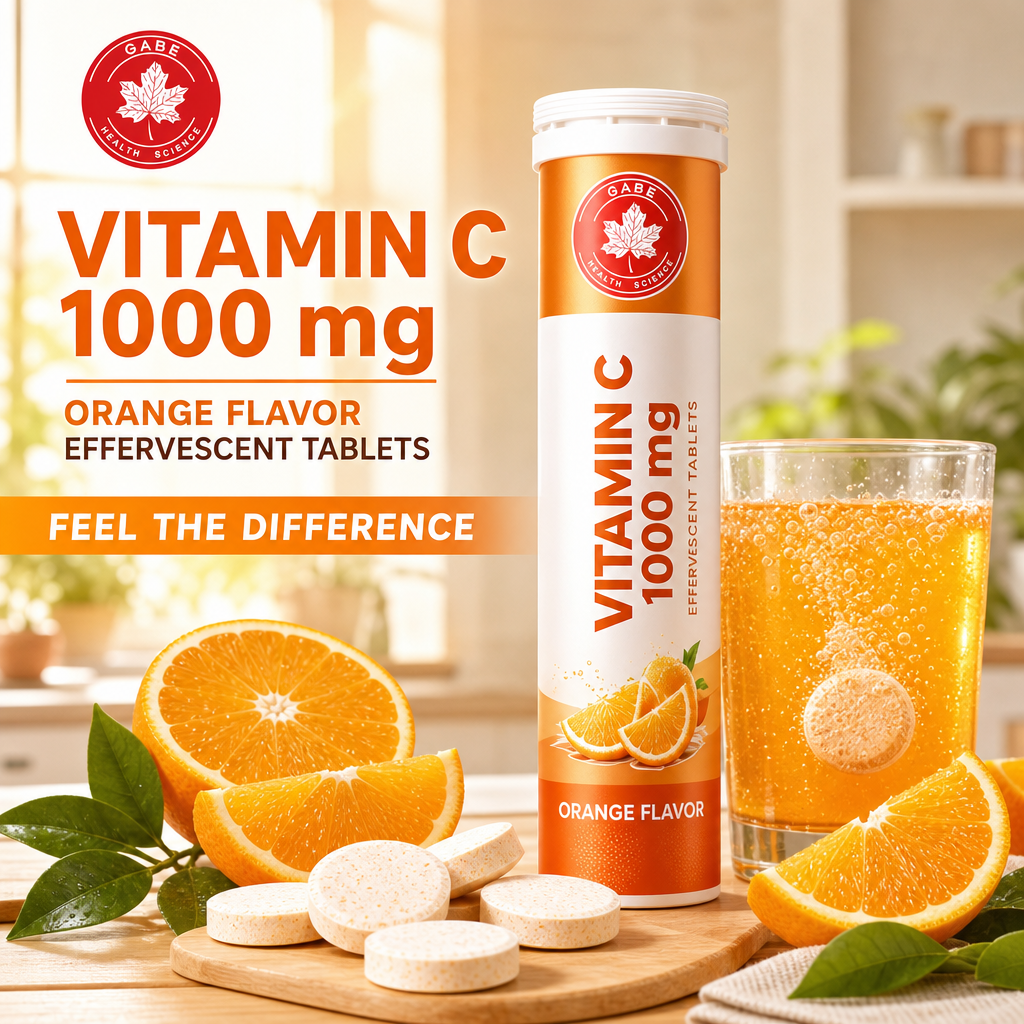
The rapid fizz provides more than just visual appeal. It fundamentally changes how your body absorbs the active ingredients. A standard solid pill must undergo a lengthy breakdown process in the stomach. We call this disintegration. The pill must first shatter into smaller granules. Those granules must then slowly dissolve in gastric fluids. Only after this process can absorption begin.
An effervescent tablet completely bypasses this mechanical breakdown phase. You ingest a pre-dissolved delivery system. The API already exists in a liquid solution before it enters your mouth. Once you swallow the liquid, it reaches your gastrointestinal tract ready for immediate absorption. This pre-dissolved state eliminates the primary delay associated with solid dosage forms.
This format also actively buffers the stomach pH. The carbonated solution carries a slightly alkaline or neutral pH. When this liquid hits the highly acidic environment of the stomach, it temporarily raises the local pH level. This mild neutralization triggers the stomach to empty its contents faster. We call this rapid gastric emptying. The liquid passes quickly into the small intestine. The small intestine serves as the primary site for nutrient and drug absorption. Faster transit protects acid-sensitive compounds from degrading in harsh stomach acid.
We must frame these absorption benefits realistically. The onset time is definitively faster. You will feel the effects of certain medications sooner. However, the total systemic absorption depends heavily on the specific API. We measure this total absorption as the Area Under the Curve (AUC). A faster onset does not always mean your body absorbs a higher total volume of the drug. Medical professionals evaluate both speed and total volume when choosing a format.
When selecting a dosage form, you must weigh distinct advantages against inherent formulation constraints. This format excels in specific use cases but falls short in others. We can break these down into clear advantages and limitations.
Patient Compliance: Many people struggle to swallow solid pills. Medical professionals call this condition dysphagia. It affects elderly patients and young children disproportionately. A pre-dissolved liquid eliminates swallowing anxiety entirely. It provides an accessible alternative for demographics experiencing pill fatigue.
Gut Tolerability: Traditional solid pills can cause localized stomach irritation. A heavy, concentrated pill sits directly against the stomach lining as it dissolves. This creates a highly concentrated "hot spot" of medication. These hot spots often cause nausea or gastric bleeding. An evenly dispersed liquid prevents this issue. The medication spreads uniformly across the entire mucosal surface.
High Dose Capacity: Solid pills have size limits. You cannot easily swallow a three-gram tablet. However, you can easily dissolve three grams of active ingredients into a pleasant drink.
Sodium Load: The chemical reaction requires significant amounts of sodium bicarbonate. This introduces a high sodium load into the patient's diet. A single dose might contain hundreds of milligrams of sodium. This high sodium content may disqualify the format for hypertensive patient populations. Doctors must monitor cardiovascular risks when prescribing these formats long-term.
Flavor Masking Challenges: Formulators face immense difficulties masking bitter APIs. In a solid pill, you simply coat the outside. The patient swallows it before tasting the bitterness. In a liquid solution, the API floats freely. It fully coats the patient's taste buds. Masking this requires complex artificial sweeteners and strong aromatic flavorings.
Feature | Effervescent Format | Traditional Solid Pill |
|---|---|---|
Absorption Speed | Very Fast (Pre-dissolved) | Slower (Requires disintegration) |
Stomach Irritation | Low (Uniform dispersion) | Moderate to High (Localized concentration) |
Swallowability | Excellent (Liquid form) | Poor for patients with dysphagia |
Manufacturing Complexity | High (Requires strict humidity control) | Low to Moderate (Standard environments) |
Producing these products requires extreme precision. You cannot manufacture them in a standard pharmaceutical facility. The core ingredients react instantly to any moisture. Therefore, you must eliminate ambient moisture from the production environment.
Environmental control vulnerabilities represent the highest implementation risk. Facilities must strictly regulate ambient temperature and humidity. Manufacturers build specialized cleanrooms to handle this. These rooms require advanced HVAC systems. The relative humidity (RH) must remain below 20%. In some sensitive formulations, it must stay below 10%. A single spike in humidity can ruin an entire production batch. The powders will begin to fizz on the machinery. They will turn into a sticky, unusable paste.
Granulation and tableting stresses present another mechanical challenge. You must compress highly reactive powders into a solid disc. You must apply immense physical pressure. However, applying too much force can generate heat. Heat can trigger premature degradation. If you apply too little force, the tablet becomes friable. It will crumble during transport. Formulators use specialized lubricants to prevent the powder from sticking to the metal punches.
Standard blister packs or plastic bottles are completely insufficient. You cannot use normal packaging. The product demands specialized packaging requirements. Manufacturers use rigid, moisture-barrier tubes. These tubes feature tight-fitting closures. The closures contain integrated desiccant stoppers. A spiral chamber inside the cap holds silica gel or molecular sieves. This desiccant actively absorbs any trapped moisture over the product's shelf life. Without this engineered packaging, the product will swell and degrade within weeks.
Choosing the right Contract Development and Manufacturing Organization (CDMO) is vital. You need a partner who understands the unique risks of this format. A standard pill manufacturer often lacks the specialized infrastructure required. You must audit their capabilities rigorously before signing an agreement.
First, verify their facility certifications. You need non-negotiable compliance and quality control standards. They must safely handle reactive formulations. Look for current Good Manufacturing Practices (cGMP) certification. You should also demand specific ISO certifications, such as ISO 9001 or ISO 13485. These certifications prove they follow strict, documented procedures.
Second, demand proof of environmental engineering. Do not simply trust their marketing brochures. You must audit the contract manufacturer’s HVAC and dehumidification infrastructure. Ask to see their environmental logging data. They should demonstrate a proven ability to maintain relative humidity below 20% year-round. Check their backup power systems. A power failure during production will cause immediate humidity spikes.
Finally, evaluate their end-to-end packaging capabilities. They must handle custom, hermetically sealed packaging in-house. Do not allow them to ship bulk, unpackaged tablets to a secondary facility. Mid-supply-chain transport exposes the naked tablets to uncontrollable atmospheric moisture. In-house tube filling and desiccant capping act as a critical vendor selection criterion. If you want to learn more about selecting a reliable partner, you must evaluate every step of the lifecycle of an effervescent tablet to avoid costly degradation.
Confirm cGMP and relevant ISO certifications.
Review historical HVAC performance logs (RH < 20%).
Inspect integrated, automated tube-filling lines.
Verify the use of high-quality desiccant stoppers.
Check protocols for handling sudden humidity spikes.
The fast dissolution of this format relies on a precise chemical mechanism. It explicitly trades manufacturing complexity for superior bioavailability and patient compliance. You gain rapid API delivery and excellent gut tolerability. However, you must navigate high production costs and strict moisture controls.
This format remains highly effective for specific applications. It works exceptionally well for analgesics, high-dose vitamins, and geriatric medicines. Yet, it requires a significant upfront investment in specialized manufacturing and engineered packaging. You cannot cut corners during production.
Product developers and procurement teams must take immediate action. You should audit your chosen API for compatibility with high-sodium buffers. Evaluate your target demographic for potential sodium restrictions. Finally, consult directly with specialized CDMOs for thorough feasibility testing before committing to a full production run.
A: Yes. Higher temperatures increase kinetic energy. This accelerates the chemical reaction. It dissolves the tablet faster. However, extreme heat may degrade certain sensitive active ingredients. You should typically use room temperature water for optimal results.
A: No. Swallowing it whole will cause the acid-base reaction to occur inside your stomach. This leads to rapid, painful gas expansion. It causes severe gastric distress. You must dissolve it in liquid first before ingestion.
A: While breaking it increases surface area and speeds up the water reaction slightly, it is unnecessary. The chemical formulation is already optimized. It will self-agitate and dissolve within minutes. Crushing it provides no meaningful clinical advantage.

 +86 18802062544


