
Views: 0 Author: Site Editor Publish Time: 2025-09-28 Origin: Site


Melatonin gummies have become one of the most popular sleep aids today. Unlike traditional pills or liquid forms, these gummies provide a convenient, chewable option that appeals to both adults and children. They make it easy to supplement the body’s natural melatonin production, helping regulate the sleep-wake cycle and supporting overall sleep quality. Many people rely on melatonin gummies to fall asleep faster, reduce insomnia, or adjust to new time zones. However, a common question arises: can melatonin gummies expire? Understanding whether gummies lose potency over time, how to recognize signs of degradation, and the potential risks of consuming expired supplements is essential for anyone using them regularly. Proper storage, dosage, and timing can make a significant difference in their effectiveness.
In this article, we will explore the shelf life of melatonin gummies, how to identify expired or less potent products, and provide practical tips to ensure you get the maximum benefits safely and consistently from your sleep supplements.
Melatonin is a hormone naturally produced by the pineal gland in the brain. It plays a crucial role in regulating circadian rhythms, signaling the body when it is time to sleep, and supporting the overall quality of rest. Melatonin supplements, including gummies, are designed to mimic the effects of this natural hormone. They are especially useful for people with irregular sleep patterns, insomnia, jet lag, or age-related melatonin decline.
Melatonin gummies differ from pills and liquids in several ways. Gummies are chewable, often flavored, and provide a pre-measured dose of melatonin. Pills, on the other hand, may require swallowing and are often easier to store long-term. Liquid melatonin can offer faster absorption but may be less convenient for dosing and travel. Gummies provide a balance of ease, taste, and precise dosage, making them a preferred choice for many consumers.
Note: The effectiveness of melatonin gummies can depend on the formulation, including the presence of natural versus synthetic melatonin, added flavors, sweeteners, and preservatives.
There are several reasons melatonin gummies have gained popularity:
● Taste and ease of consumption: Gummies often come in fruit flavors or other pleasant tastes, making them easier to take than bitter pills.
● Convenient dosage: Each gummy provides a pre-measured dose, reducing the risk of taking too much or too little.
● Flexible use: Gummies can be taken without water and are easy to incorporate into a nightly routine.
Many people, especially those who dislike swallowing pills or have children needing sleep support, find gummies more appealing. Additionally, gummies are easier to adjust for dose changes, allowing users to find the most effective amount for their specific needs.
Besides melatonin, gummies often contain additional ingredients:
● Sweeteners: Sugar, sugar alcohols, or natural sweeteners like stevia.
● Preservatives: These extend shelf life but can degrade if improperly stored.
● Gelling agents: Gelatin or pectin create the chewable texture.
● Flavorings and colorings: Natural or artificial additives for taste and appearance.
These ingredients influence how long the gummies remain stable and effective. For example, gelatin-based gummies are sensitive to humidity and heat, which can cause them to become sticky, harden, or lose potency over time. Similarly, natural flavorings may degrade faster than artificial ones, impacting taste and consumer experience.
Tip: Always check the label for ingredient types and storage instructions, as they can directly affect the shelf life of your melatonin gummies.
Melatonin gummies, like all dietary supplements, have a limited shelf life. Manufacturers provide expiration dates to ensure the product maintains its intended potency and safety. Typically, melatonin gummies remain effective for 12 to 24 months from the manufacturing date, though this can vary depending on formulation and storage conditions.
Factors influencing shelf life include:
● Storage conditions: Exposure to heat, moisture, or sunlight can accelerate melatonin degradation.
● Formulation stability: Gummies with natural ingredients or plant-based gelling agents may have shorter shelf life than synthetic alternatives.
● Packaging: Airtight, light-resistant bottles help preserve potency better than soft packs or loose containers.
While using gummies slightly past their expiration date is unlikely to be dangerous, their effectiveness may decrease significantly. Reduced melatonin levels can result in poor sleep quality, making it important to adhere to expiration dates and replace old products when necessary.
You can often detect expired melatonin gummies by observing physical and sensory changes:
● Color changes: Gummies may darken, lose their original color, or develop unusual spots.
● Texture changes: They may become sticky, hard, or crumbly.
● Smell or taste: A sour or off odor can indicate degradation.
● Reduced effectiveness: If your usual dose no longer induces sleep, potency may have declined.
Tip: Always inspect gummies visually and taste a small piece (if safe) before full consumption. If you notice significant changes, discard the product.
Although melatonin is generally safe, expired gummies can present certain risks:
● Reduced effectiveness: The main concern is that the gummies may not provide adequate sleep support.
● Contamination: Degraded gummies may harbor bacteria, mold, or other contaminants.
● Minor side effects: Headaches, nausea, or dizziness may occur if the product is compromised.
While serious health risks are rare, expired gummies may fail to meet expected sleep outcomes. Therefore, it is better to replace them than rely on expired products.
Expiration dates are not arbitrary. They indicate the period during which the manufacturer guarantees:
1. Full potency of melatonin per dose.
2. Safety and quality of all ingredients.
A “best by” date often suggests optimal flavor or texture, whereas an “expiration” date ensures the melatonin is still active and safe. Ignoring expiration dates can compromise both sleep quality and safety.
Note: For B2B sellers or wellness professionals, emphasizing expiration dates enhances trust and demonstrates commitment to product quality.
Melatonin gummies generally take 30–60 minutes to induce drowsiness, depending on:
● Formulation: Immediate-release gummies act faster than extended-release.
● Individual metabolism: Age, weight, and liver function affect absorption speed.
● Timing of intake: Consuming gummies too early or too late can reduce effectiveness.
Immediate-release gummies are ideal for falling asleep quickly, while extended-release gummies provide a more sustained effect throughout the night.
Once absorbed, melatonin typically remains active for 4–8 hours, although factors such as age, weight, and liver function can extend or shorten this period. Other influences include:
● Medication interactions: Certain drugs can speed up or slow down melatonin metabolism.
● Lifestyle factors: Alcohol, caffeine, or irregular sleep patterns may affect duration.
● Underlying conditions: Insomnia, depression, or liver impairment may alter how long melatonin remains effective.
Form | Onset | Duration | Notes |
Gummies | 30–60 mins | 4–8 hours | Convenient, chewable, may need refrigeration |
Pills | 20–45 mins | 4–6 hours | Stable, long shelf life |
Liquid | 15–30 mins | 3–5 hours | Fast absorption, dosage may vary |
Extended-release | 60–90 mins | 6–10 hours | Sustained effect, possible morning grogginess |
Tip: For consistent nightly use, consider gummies for ease, but pills may offer longer shelf stability, making them suitable for inventory or B2B distribution.
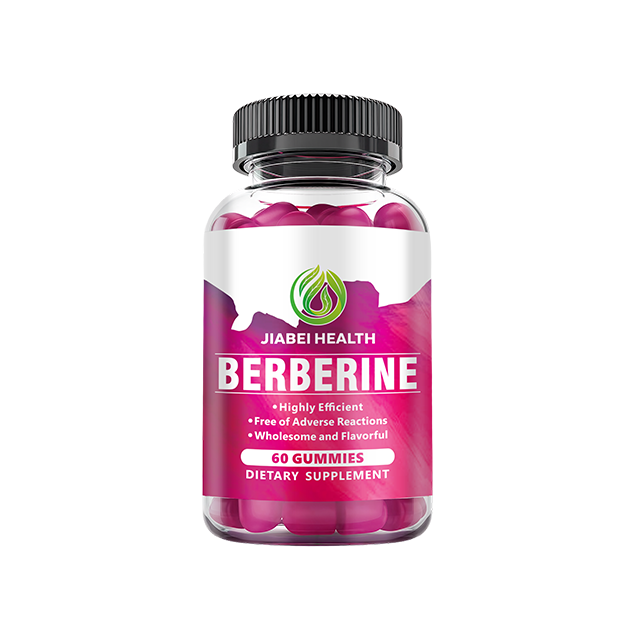
To maintain potency, store melatonin gummies in cool, dry conditions. Avoid direct sunlight, high heat, or humid areas, which can degrade both the gelling agents and melatonin itself.
Ensure the container is airtight. Once the seal is broken, exposure to air and moisture can accelerate degradation and increase contamination risk.
Some gummies, especially plant-based or gelatin-free options, may benefit from refrigeration. While room temperature is acceptable for short-term use, prolonged exposure to warmth or humidity may cause gummies to stick together, harden, or lose effectiveness.
Note: Proper storage is essential for both consumer satisfaction and product reliability in retail or B2B environments.
Melatonin gummies come in a variety of strengths. Typical adult doses:
● Low dose: 0.3–1 mg, suitable for general sleep support
● Moderate dose: 2–3 mg, ideal for mild insomnia
● High dose: 5–10 mg, typically for jet lag or severe sleep issues
Children, seniors, or people with chronic conditions should consult a healthcare professional before use.
To optimize effects:
● Take gummies 30–60 minutes before bed.
● For jet lag, adjust intake according to the new time zone.
● Avoid taking late-night doses if sleep duration is less than 7–8 hours to prevent grogginess.
Melatonin gummies can interact with:
● Prescription drugs, such as antidepressants or anticoagulants
● Alcohol or recreational substances
● Other supplements, including herbal sedatives or CBD
Monitor for side effects like headaches, dizziness, or prolonged drowsiness. Adjust dosage or timing as necessary.
Tip: Keep a nightly log to track sleep quality and supplement effects for more accurate dosing adjustments.
Opt for brands that undergo third-party testing. Independent verification ensures melatonin content matches labeling and confirms the absence of contaminants.
Red flags include:
● Broken or damaged packaging
● Missing expiration dates
● Off taste, color, or smell
Low-quality gummies degrade faster and may provide inconsistent results.
When selecting melatonin gummies, consider:
● Ingredient quality (natural vs synthetic)
● Consumer reviews for effectiveness
● Shelf stability and recommended storage
Note: Transparency in manufacturing, labeling, and third-party testing builds consumer trust and enhances credibility for B2B sellers.
Melatonin gummies do expire and may lose potency over time. Proper storage and correct dosing are essential. Jiabei Health Technology Co., Ltd. offers high-quality gummies that maintain effectiveness and support healthy sleep. Their products provide reliable, convenient, and enjoyable supplementation for consistent results.
A: Yes, melatonin gummies can expire, and their potency may decrease over time.
A: Check for changes in color, texture, smell, or reduced effectiveness.
A: Keep them in a cool, dry place in a sealed container away from light and moisture.
A: They are usually safe but may be less effective and cause minor side effects.
A: Effects typically last 4–8 hours, depending on age, metabolism, and dosage.
A: Gummies offer convenient, chewable doses with better taste and ease of use.

 +86 18802062544

