
- All
- Product Name
- Product Keyword
- Product Model
- Product Summary
- Product Description
- Multi Field Search
Views: 0 Author: Site Editor Publish Time: 2026-10-11 Origin: Site


The market overflows with daily vitamin supplements. However, effervescent formats vary wildly in manufacturing quality, bioavailability, and overall user experience. You might see flashy marketing promising instant immunity. It helps to view these claims skeptically. Strip away the bold advertising. A high-quality tablet acts as a precise chemical delivery system. It balances active pharmaceutical ingredients (API) against specific excipients. This balance ensures rapid absorption without compromising your gastric health. Our goal is to provide a standardized, evidence-based evaluation framework. We want to help consumers and buyers distinguish a premium Vitamin C Effervescent Tablet from poorly formulated, high-sodium alternatives. You will learn how to evaluate dissolution times, assess sodium trade-offs, and inspect packaging integrity. By the end, you will know exactly what makes a formulation truly effective and safe for daily use.
Optimal Dissolution: A premium tablet should dissolve completely in room-temperature water within 1 to 2 minutes, leaving zero gritty residue.
The Sodium Trade-off: Effervescent mechanisms require sodium bicarbonate; evaluating the sodium content is critical for individuals monitoring their blood pressure.
Bioavailability & Co-factors: Top-tier formulations often pair Vitamin C (L-ascorbic acid) with Zinc to stabilize the compound and enhance immune support efficacy.
Packaging Integrity: Because effervescent tablets are highly hygroscopic (moisture-sensitive), medical-grade desiccant packaging is a non-negotiable quality indicator.
To understand product quality, we must first examine the underlying chemistry. Effervescent tablets rely on a precise acid-base reaction. Manufacturers typically combine an organic acid, like citric acid, alongside an alkali source, such as sodium bicarbonate. These components remain stable while dry. Once you drop the tablet into water, the magic begins. The acid and base react instantly. This reaction releases carbon dioxide gas, creating the signature bubbling effect.
This visible fizz provides more than just entertainment. It serves a crucial physiological purpose. Pre-dissolving the active ingredients ensures optimal distribution. The L-ascorbic acid disperses evenly throughout the liquid solution before ingestion. Your body receives the nutrients in an immediately bioavailable format.
Traditional hard pills require significant digestive effort. Stomach acids must break down dense binders and fillers. This slow breakdown can cause localized irritation in the gastric tract. Ascorbic acid is inherently acidic. When a concentrated pill sits against the stomach lining, it often triggers discomfort. The effervescent delivery system neutralizes this issue entirely.
Consider these core benefits of the effervescent delivery mechanism:
Immediate Bioavailability: Nutrients enter the digestive tract already in a dissolved state.
Gentle Digestion: The buffering action of the base ingredients protects sensitive stomach linings.
Consistent Dosing: Liquid dispersion guarantees you consume the exact measured dose.
However, you must apply an assumption check. Just because a tablet fizzes dramatically does not mean it absorbs effectively. The ratio of effervescent agents to the active vitamin determines the true biological value. Poorly formulated products use excessive bicarbonate to create a visual spectacle. They sacrifice actual nutrient density in the process. You must evaluate the formulation balance, not just the bubbles.
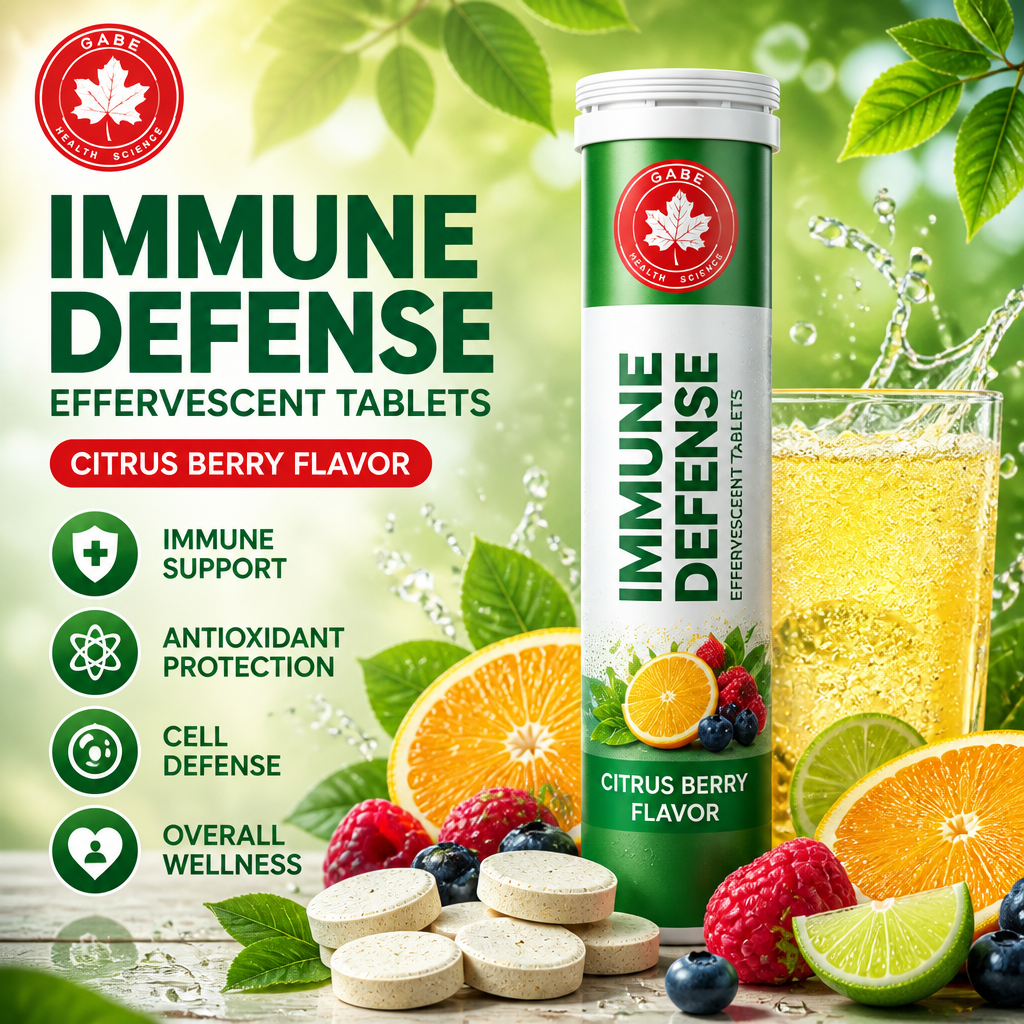
You can identify a high-quality product simply by watching it dissolve. Sensory and physical benchmarks provide immediate clues about manufacturing standards. Cheap binders and rushed production processes reveal themselves quickly in a simple glass of water.
Time the dissolution process. Look for a complete dissolution window between 60 and 120 seconds. Use water at a standard room temperature of 20°C (68°F). The tablet should break down uniformly. It should maintain a steady, active fizz until entirely consumed by the liquid.
Watch out for obvious red flags. Prolonged fizzing lasting over three minutes indicates an imbalanced formula. Clumps floating at the liquid surface suggest cheap binding agents. Chalky sediment resting at the bottom of the glass represents undissolved excipients. Your body will struggle to absorb these lingering solids.
Best Practice: Always use water between 15°C and 20°C. Colder water slows the chemical reaction unnecessarily. Hotter water can degrade the fragile active ingredients.
Examine the glass after the fizzing stops. A high-quality formulation results in a uniformly colored liquid. It may appear entirely clear or slightly opaque depending on natural flavorings. The liquid should look clean and inviting.
Inspect the surface and the edges of the glass. You should not see an oily film floating on top. Un-dissolved polymer rings clinging to the glass walls indicate poor excipient choices. These visual flaws usually point to non-water-soluble lubricants used during the tablet pressing phase.
Table 1: Visual and Physical Evaluation Benchmarks
Evaluation Metric | Premium Quality Indicator | Subpar Quality Warning Sign |
|---|---|---|
Dissolution Speed | 60 to 120 seconds at room temperature | Takes over 3 minutes or stops prematurely |
Residue Check | Zero sediment at the glass bottom | Chalky, gritty, or hard clumps remaining |
Surface Clarity | Clean, uniform liquid surface | Oily films or plastic-like foam rings |
Acoustic Profile | Steady, continuous fizzing sound | Sputtering, weak, or delayed reactions |
Flavor represents a massive engineering challenge for manufacturers. L-ascorbic acid naturally tastes intensely sour and metallic. A properly balanced tablet masks these inherent notes gracefully. It achieves this without relying on excessive artificial masking agents.
Evaluate the specific flavor profiles. Top-tier products utilize natural fruit extracts. They deliver a crisp, refreshing taste. Poor formulations lean heavily on synthetic flavorings. These often leave a lingering chemical aftertaste in your mouth. If the beverage tastes like medicinal syrup, the taste engineering failed.
You cannot judge a supplement purely by its active ingredients. The inactive components, known as excipients, dictate the safety and efficacy of the product. Label transparency separates trustworthy manufacturers from opportunistic brands.
The effervescent reaction absolutely requires sodium. This chemical reality creates a notable medical context. Some poorly formulated tablets contain upward of 200 to 300 milligrams of sodium per dose. If you consume two or three tablets daily, you significantly impact your dietary sodium limits.
Evaluate the brand based on label clarity. Trustworthy companies transparently list exact sodium contents. Premium formulations often use potassium bicarbonate as a partial substitute. This strategic substitution lowers the overall sodium load. It protects individuals actively monitoring their blood pressure. Always check the nutritional panel for sodium levels before committing to a daily regimen.
Manufacturers must sweeten the sour vitamin mixture. You must analyze their choice of binding and sweetening agents. Common choices include sucralose, stevia, and aspartame. Some brands simply use straight sugar or corn syrup.
Apply a strict decision lens here. Sugar-laden tablets completely defeat the health purpose of the supplement. You do not want to spike your blood glucose while trying to support your immune system. Conversely, some artificial sweeteners can cause severe gastrointestinal distress in sensitive users.
Premium products typically utilize high-grade, naturally derived zero-calorie sweeteners. Stevia extract and monk fruit represent excellent modern choices. They provide necessary sweetness without metabolic consequences. Avoid products hiding heavy sugar contents under ambiguous names like "dextrose" or "maltodextrin".
Leading manufacturers rarely sell isolated ascorbic acid anymore. They understand biological synergy. Formulations combining Vitamin C and Zinc indicate a more sophisticated product. This combination aims for holistic immune support rather than serving as a single-ingredient novelty.
Zinc stabilizes the active compounds during storage. In the body, it works alongside ascorbic acid to support cellular defense mechanisms. When selecting a custom formulated Vitamin C Effervescent Tablet, always verify the chemical form of the added minerals. Zinc citrate or zinc gluconate offer superior absorption compared to cheap zinc oxide.
Common Mistake: Do not assume all multi-ingredient formulas are superior. Ensure the added ingredients feature clinically relevant dosages. A "dusting" of zinc for label appeal provides zero physical benefit.
Consumers frequently debate the merits of effervescent liquids against traditional swallowed pills. Each format serves different lifestyle needs. Use this structured decision framework to determine the right choice for your regimen.
Gastric Tolerance Requirements: Effervescent liquids arrive entirely buffered. The acid-base reaction neutralizes the harshness of raw ascorbic acid. This makes the liquid format ideal for individuals prone to acid reflux. If standard capsules cause stomach upset or nausea, the bubbling liquid offers immediate relief.
Hydration Value and Habit Stacking: Pills require merely a sip of water. Effervescent formats force the user to consume six to eight ounces of water. This structurally combines systemic hydration with nutritional supplementation. Many people struggle with morning dehydration. A flavorful morning beverage solves two health goals simultaneously.
Portability vs. Stability Trade-offs: Traditional hard pills are highly stable. You can toss them loose into a gym bag. Effervescent tablets offer a superior sensory experience and faster absorption. However, they carry strict storage liabilities. The slightest exposure to ambient humidity will trigger the chemical reaction prematurely.
Choose the liquid format if you prioritize absorption speed and gastric comfort. Stick to traditional pills if you require rugged portability in humid environments.
The greatest threat to an effervescent product happens after you buy it. These specialized formulations require meticulous handling. If you ignore storage protocols, the product degrades rapidly. It loses all nutritional value long before the expiration date.
Effervescent formulations are extremely hygroscopic. They actively pull moisture from the surrounding air. A compromised seal leads directly to premature oxidation. You can spot this degradation visually. The tablet will turn brown, yellow, or develop dark speckles. Once it oxidizes, the vitamin loses its potency. A discolored tablet provides no immune support.
When selecting a manufacturer for a trusted Vitamin C Effervescent Tablet, carefully inspect the packaging standards. Standard plastic bottles cannot protect these sensitive formulas. Look exclusively for specialized desiccant stoppers. These are engineered caps featuring built-in silica gel chambers. They constantly pull rogue moisture out of the tube.
Avoid brands selling foil-wrapped single tablets. Unless the manufacturer packaged them in a strictly controlled, nitrogen-flushed environment, foil singles often fail. Micro-punctures in the foil ruin the product instantly. Rigid tubes with desiccant caps remain the gold standard for industry stability.
You must adapt your daily habits to protect the product. Always handle the tablets with bone-dry hands. A single drop of water transferred to the remaining tablets will start a slow chain reaction inside the tube. Never leave the tube uncapped for more than a few seconds. Pop the cap off, extract one dose, and snap it completely shut immediately.
Selecting a high-quality supplement requires looking past the marketing jargon. You now possess the tools to evaluate these products like an industry professional. The physical behavior of the tablet tells you everything you need to know about its manufacturing pedigree.
When shortlisting options, prioritize brands offering absolute transparency. Demand clear sodium labeling. Test the product to ensure a sub-two-minute, residue-free dissolution. Reject any brand that compromises on airtight desiccant packaging. The physical tube matters just as much as the ingredients inside.
Treat this supplement not just as a daily vitamin, but as a formulated beverage. If the taste requires massive sugar dumps to mask chemical bitterness, walk away. If the dissolution leaves a gritty, chalky sediment in your glass, the manufacturing quality is subpar. Your body deserves clean, efficient nutrient delivery.
Your next step is simple. Check the label of your current prospective brand tonight. Compare their sodium levels, sweetener choices, and zinc inclusions against the benchmarks discussed today. Upgrade your regimen if your current product fails the visual or nutritional tests.
A: No. High temperatures can rapidly degrade L-ascorbic acid and alter the intended chemical reaction. This heat exposure significantly reduces the vitamin's biological efficacy. Always use room temperature or slightly cold water for optimal nutrient preservation.
A: The resulting liquid form remains slightly acidic. To mitigate potential enamel wear, consume the beverage relatively quickly. Do not sip it slowly over several hours. Consider rinsing your mouth with plain water immediately afterward to neutralize the oral pH.
A: It is generally safe for healthy individuals. However, you must pay close attention to the cumulative sodium intake if consumed daily. This is especially critical for those with hypertension or heart conditions. Always adhere to the manufacturer's recommended dosage.

 +86 18802062544


